
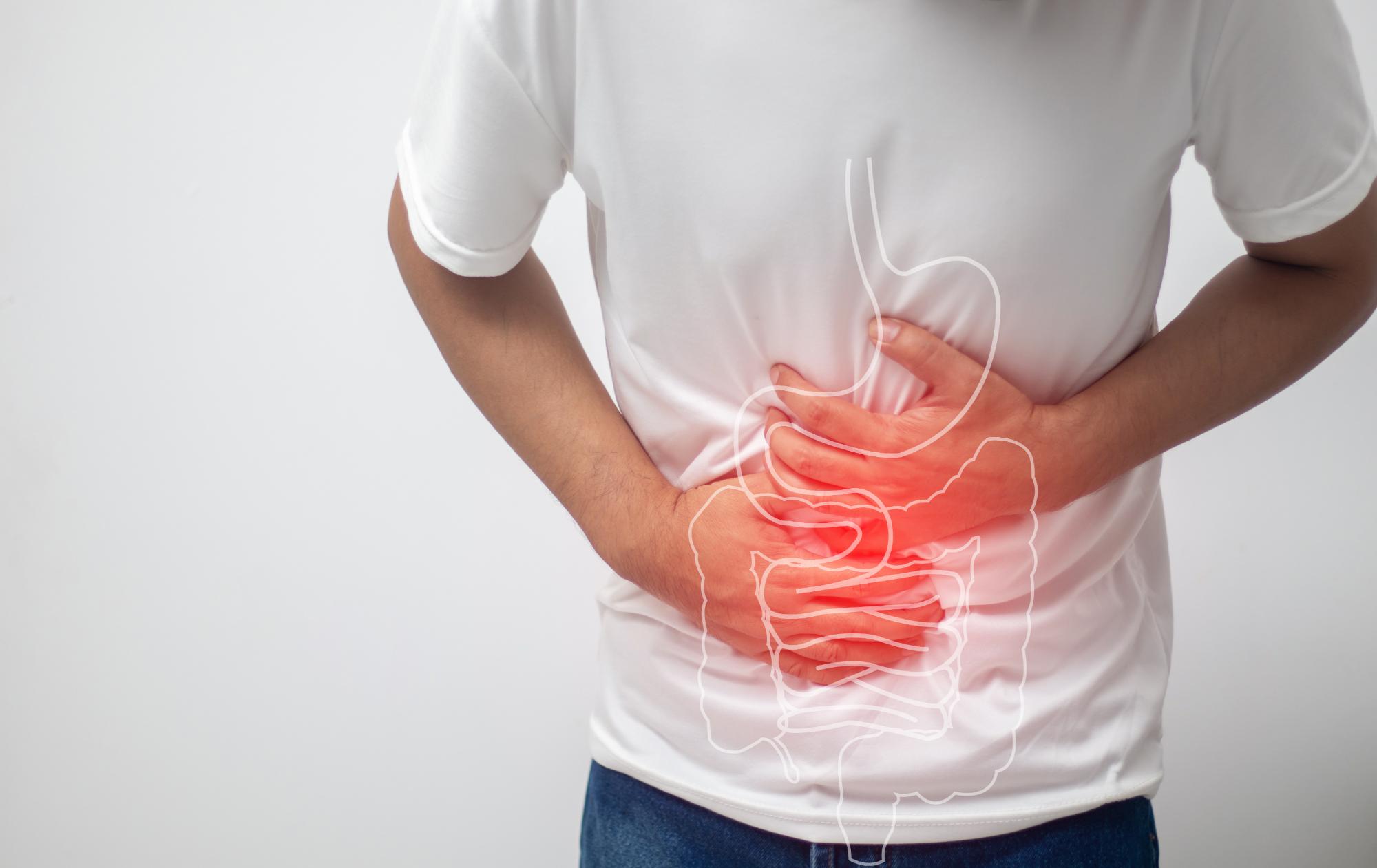
Abdominal pain is common and can have many possible causes. The location, type and duration of the pain as well as other symptoms you may be experiencing can provide important clues about what may be causing it.
One possible cause of upper abdominal discomfort is gastritis, which refers to inflammation of the stomach lining. Some people with gastritis experience pain or discomfort in the upper abdomen, nausea or a feeling of fullness after eating. Others may have few or no symptoms.
Gastritis may develop suddenly (acute gastritis) or gradually over time (chronic gastritis). While many cases can be managed effectively once the underlying cause is identified, persistent or severe abdominal pain should be assessed to rule out other digestive conditions.
Experiencing persistent or recurring abdominal pain?
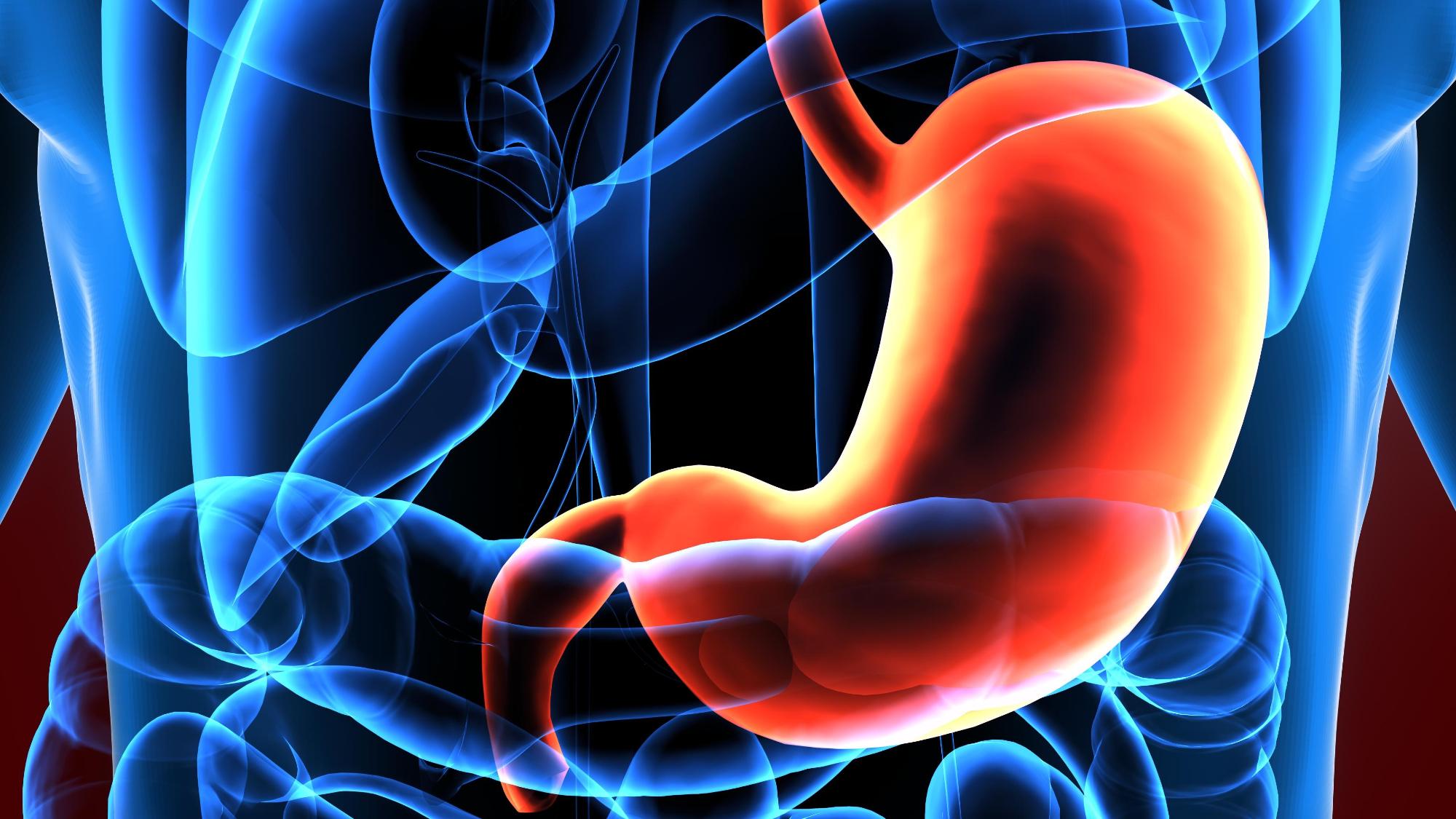
Seek medical attention if abdominal pain occurs together with:
Because abdominal pain can have many causes, the symptoms alone cannot confirm whether you have gastritis.
Not everyone with gastritis experiences symptoms. When symptoms do occur, they can sometimes be similar to those caused by indigestion, peptic ulcers, acid reflux or other digestive conditions.
You may experience:
Depending on the cause and severity, some people may also experience:
The stomach has a protective lining that helps shield it from stomach acid. Gastritis develops when this lining becomes inflamed. There are several possible causes.
H. pylori is a type of bacteria that can live in the stomach. Infection with H. pylori is one of the most common causes of chronic gastritis and is also associated with peptic ulcers.
Regular or prolonged use of non-steroidal anti-inflammatory drugs (NSAIDs), such as aspirin, ibuprofen and naproxen, can irritate or damage the stomach lining in some people.
If you have been prescribed these medicines, do not stop taking them without first speaking to your doctor.
Heavy alcohol consumption can irritate and damage the stomach lining and may contribute to acute gastritis or gastropathy.
Less commonly, gastritis can develop when the immune system mistakenly attacks cells in the stomach lining. Over time, autoimmune gastritis can affect the body’s ability to absorb nutrients such as vitamin B12 and iron.
Less common causes include certain infections, bile reflux and inflammatory or immune-related conditions.
A physical examination may also be performed.
Depending on your symptoms, your doctor may recommend further investigations.
Tests for H. pylori may include a urea breath test, stool test or a biopsy taken during gastroscopy.
Blood tests may be used to look for anaemia, infection or other signs that could help identify the cause of your symptoms.
A gastroscopy allows your doctor to examine the oesophagus, stomach and first part of the small intestine using a thin, flexible tube with a camera.
During the procedure, small tissue samples (biopsies) may be taken for further examination or to test for H. pylori.
If your symptoms suggest that the pain may be coming from somewhere other than the stomach, imaging tests such as an ultrasound or CT scan may sometimes be recommended.
Not everyone with abdominal pain or suspected gastritis will require a gastroscopy or other investigations. Your doctor will recommend tests based on your symptoms, medical history and clinical assessment.
Because abdominal pain can arise from different parts of the digestive system and sometimes from organs outside it. Your doctor will first try to understand the pattern of your symptoms.
You may be asked:
Treatment depends on what is causing the inflammation and whether there are any complications.
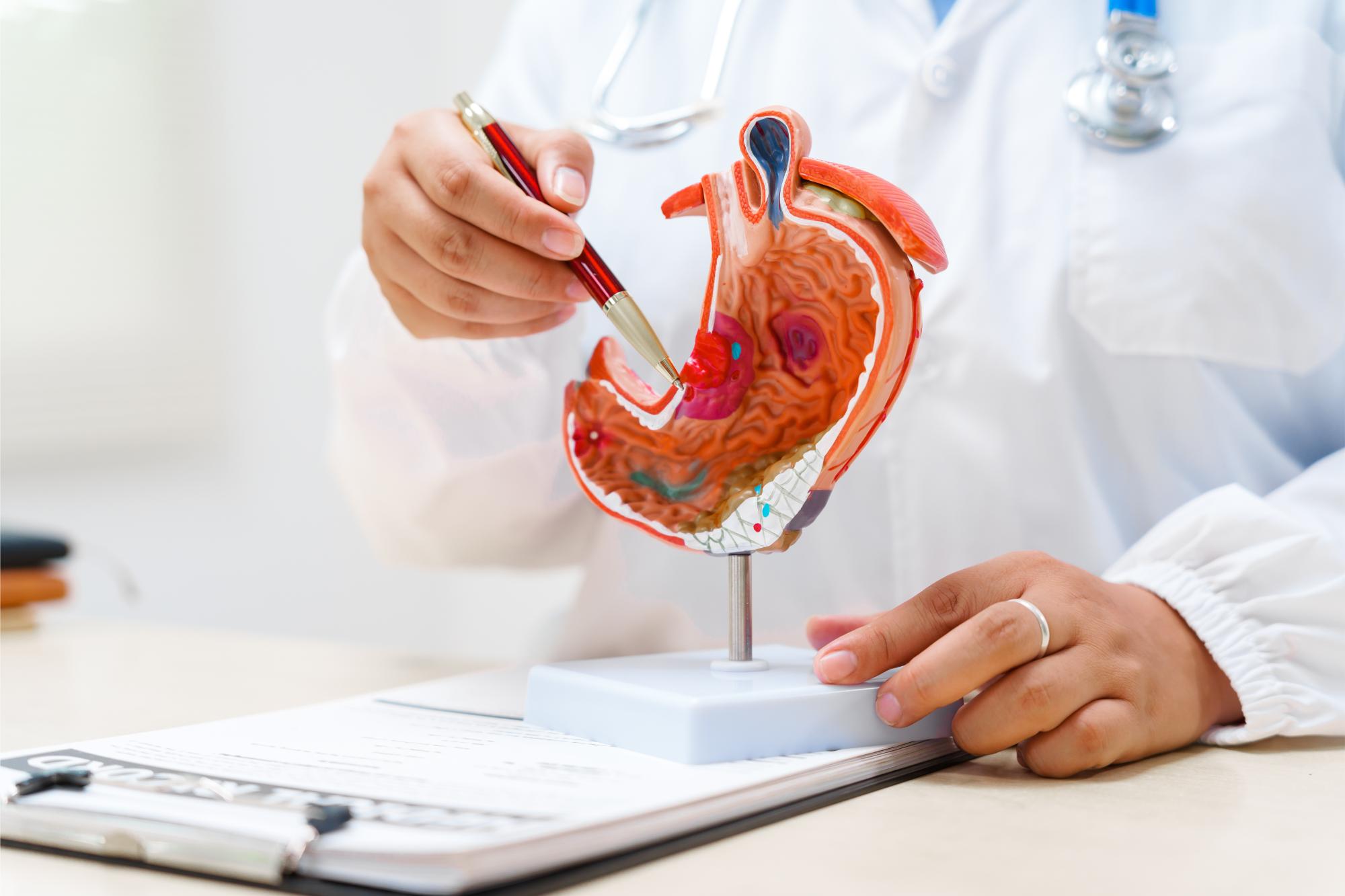
If testing shows an H. pylori infection, treatment usually involves a combination of antibiotics and acid-reducing medication.
After treatment, your doctor may recommend another test to confirm that the infection has been successfully cleared.
Medicines such as proton pump inhibitors (PPIs) or H2-receptor blockers may be prescribed to reduce stomach acid and allow the stomach lining to heal.

If an NSAID or another medication may be contributing to your symptoms, your doctor may review whether the medicine can be changed, reduced or used together with stomach-protecting medication.
Do not stop prescribed medication without discussing it with your doctor first.

Depending on your symptoms, it may help to:
There is no single diet that treats all forms of gastritis. Treatment should focus on the underlying cause rather than dietary restriction alone.
Everyday emotional stress is not considered a common direct cause of gastritis, although stress can affect digestive symptoms and make discomfort feel worse for some people. A severe physical stress on the body such as critical illness, major injury or severe burns can cause a specific form of acute stomach-lining injury known as stress gastritis.
Many people with H. pylori have no symptoms, so symptoms alone cannot tell you whether you are infected. H. pylori can be detected through tests such as a urea breath test, stool test or a biopsy taken during gastroscopy.
Not everyone with abdominal pain needs a gastroscopy. It may be recommended depending on your age, symptoms, medical history and whether warning signs are present. Gastroscopy allows your doctor to examine the stomach lining and look for conditions such as gastritis or ulcers, and biopsies can be taken if necessary.
If abdominal pain, nausea or upper digestive discomfort keeps returning or is affecting your daily life, consider speaking to a gastroenterologist for an assessment.