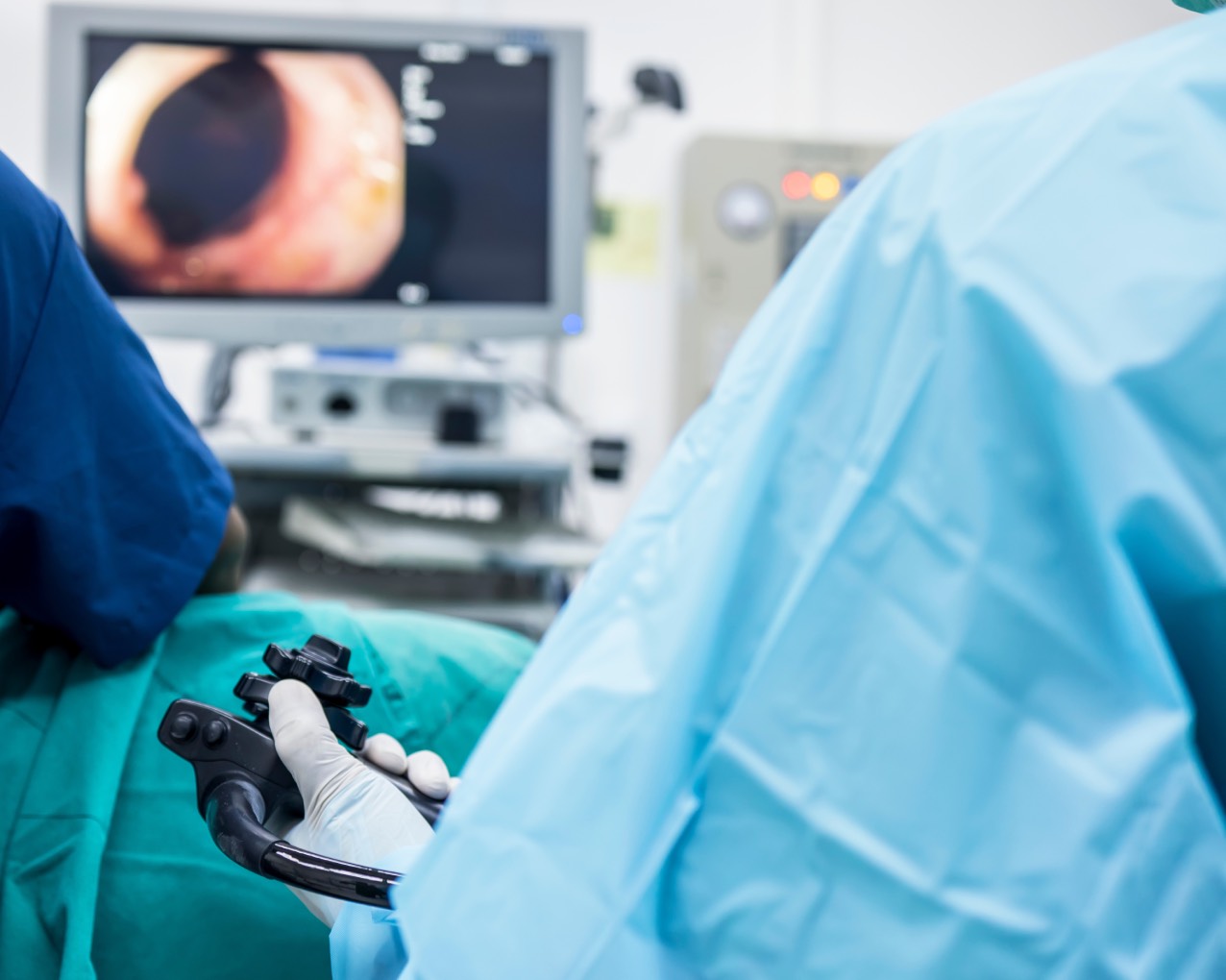
A gastroscopy, also known as an upper gastrointestinal (GI) endoscopy, is a procedure used to examine the upper part of your digestive system.
During the procedure, a thin, flexible tube with a small camera at the end, called an endoscope, is gently passed through your mouth and into your:
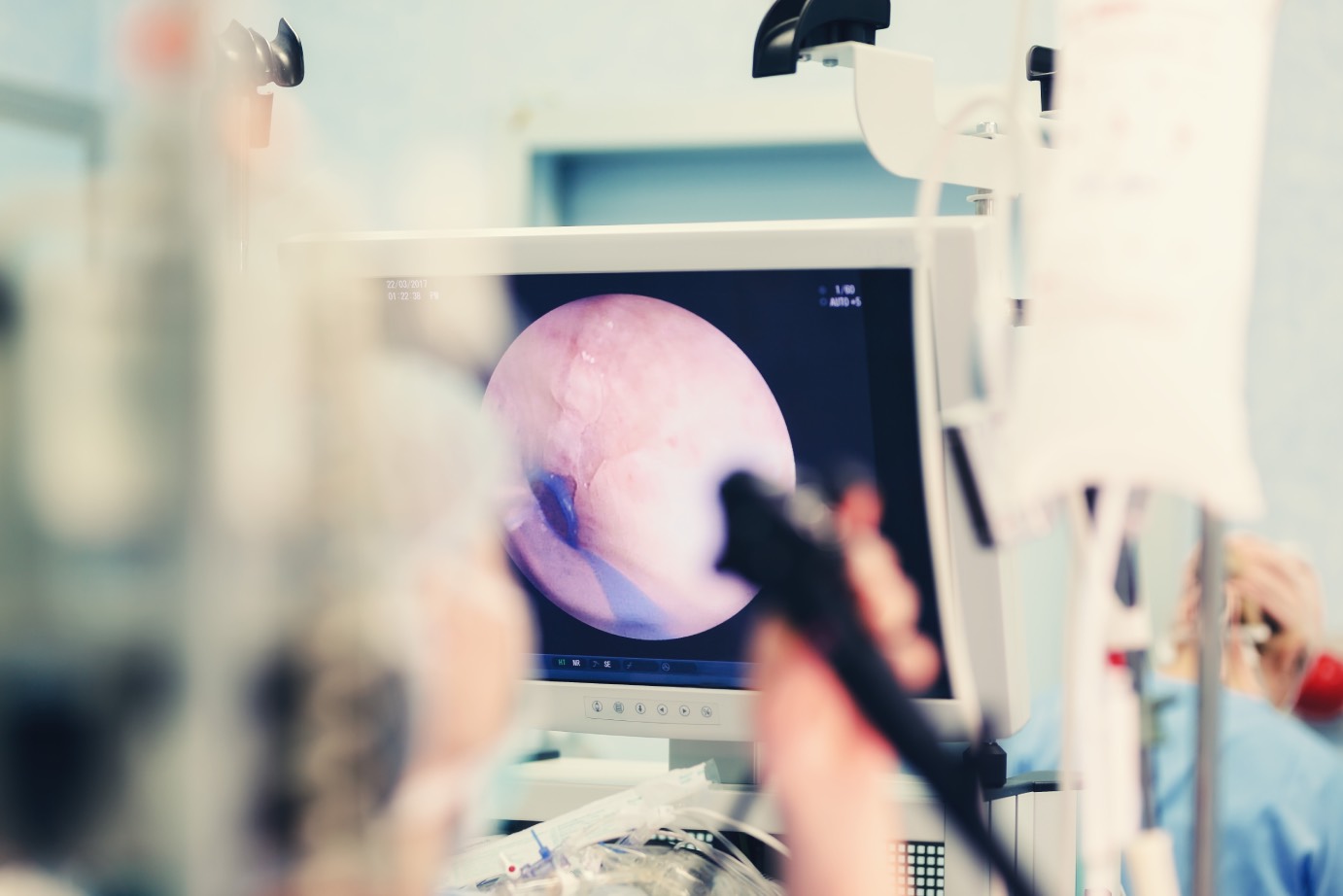
The camera allows your gastroenterologist to examine the lining of these areas for inflammation, ulcers, narrowing, bleeding and other abnormalities.
If needed, small tissue samples (biopsies) can also be taken during the gastroscopy for further examination. Certain conditions can also be treated during an endoscopy.
Gastroscopy is usually performed as a day procedure and is carried out under sedation. Hence, the patients are very comfortable during the procedure and they wake up without any pain or discomfort.
Been advised to have a gastroscopy?
Not everyone with these symptoms needs a gastroscopy. Your doctor will consider your symptoms, age, medical history and other findings before recommending the appropriate investigation.
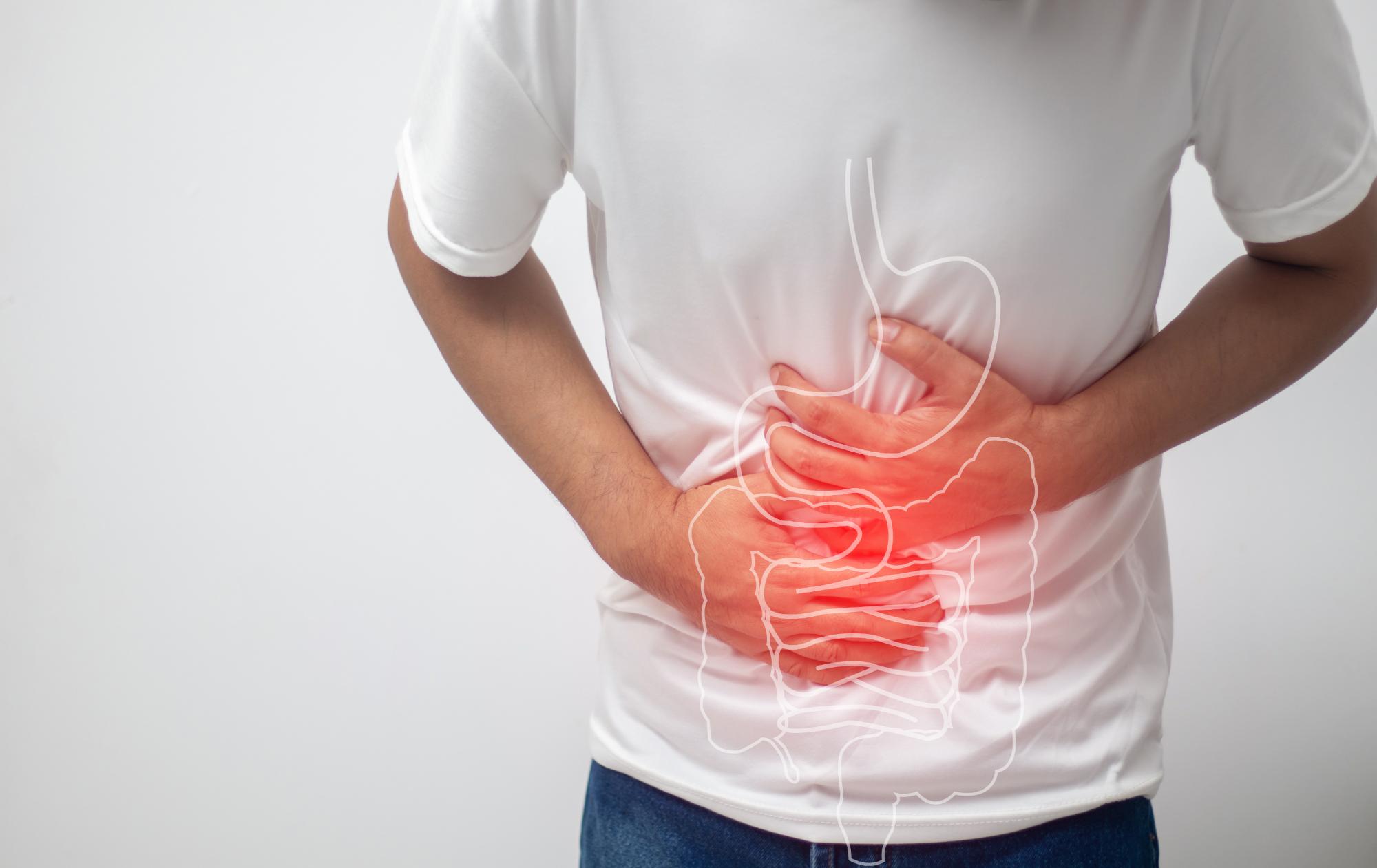
Your doctor may recommend a gastroscopy to investigate persistent or unexplained upper digestive symptoms.
These may include:
Gastroscopy may also be recommended to investigate or monitor a known digestive condition.
Because a gastroscopy allows your gastroenterologist to directly examine the lining of the upper digestive tract, it can help identify a range of conditions.
These include:
Inflammation of the oesophagus can occur for different reasons, including acid reflux.
In some people with Acid Reflux / GERD, gastroscopy may be used to look for inflammation or complications of reflux.
Gastritis is inflammation of the stomach lining.
A gastroscopy allows the stomach lining to be examined directly, and biopsies may be taken when necessary.
Ulcers are open sores that can develop in the lining of the stomach or duodenum.
Gastroscopy can identify ulcers and may help investigate their cause.
A narrowing, or stricture, can make it difficult for food to pass through the oesophagus.
Gastroscopy may be used to identify structural causes of swallowing difficulties.
Barrett’s oesophagus is a change in the cells lining the lower oesophagus and is associated with long-standing acid reflux in some people.
Biopsies may be taken during gastroscopy to assess these changes.
Gastroscopy may also identify polyps, growths, sources of gastrointestinal bleeding and other changes affecting the oesophagus, stomach or duodenum.
The endoscope passes through the oesophagus and does not interfere with your breathing.
The examination itself is usually relatively short, although you should allow additional time for preparation and recovery.

Before the procedure, your healthcare team will review your medical history and explain what to expect.
If sedation is being used, medication is usually given through a small intravenous line to help you feel relaxed and comfortable.
You may also receive a local anaesthetic throat spray.
During the procedure:
This is understandably one of the most common concerns before a gastroscopy.
Sedation is commonly used to help patients remain relaxed and comfortable during the procedure. A local anaesthetic throat spray may also be used to reduce discomfort or gagging.
Your doctor and healthcare team can discuss the sedation options and what you can expect before the procedure.
They can help investigate conditions such as:
Taking a routine biopsy during gastroscopy is not painful.
The samples are sent to a laboratory, where they are examined under a microscope. These results will therefore take longer than the visual findings from the gastroscopy itself.
During a gastroscopy, your gastroenterologist may take a biopsy, which is a very small sample of tissue from the lining of the oesophagus, stomach or duodenum.
Biopsies may be taken even when the lining looks relatively normal.
If you receive sedation, you should arrange for someone to accompany you home after the procedure.
You should not drive, operate machinery or make important decisions until the effects of the sedation have worn off, according to the discharge instructions provided by your healthcare team.
Your stomach needs to be empty so that your doctor can examine the upper digestive tract clearly and perform the procedure safely.
You will therefore be asked to fast before your gastroscopy.
You will be given specific instructions on when to stop eating and drinking. Follow these instructions carefully, as fasting requirements can vary depending on the timing of your procedure and your individual circumstances.
Tell your doctor about your medications
Before the procedure, let your doctor know about all medications and supplements you take, particularly:
Do not stop prescribed medication on your own. Your doctor will advise whether any changes are needed before the procedure.
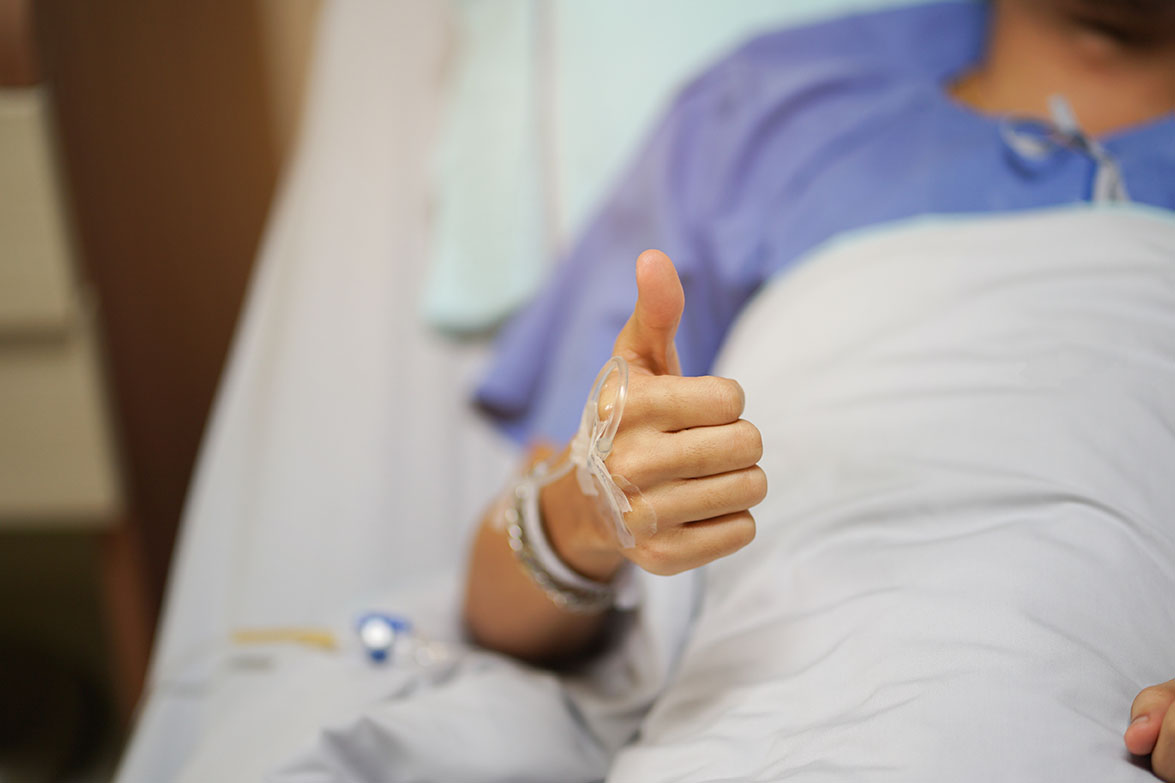
After the procedure, you will be monitored in a recovery area until you are sufficiently alert and the effects of sedation have reduced.
Your doctor may be able to discuss the initial findings from the gastroscopy with you after the procedure.
If biopsies were taken, the samples need to be examined by a laboratory, so these results will be available later.
Before leaving, you will receive instructions about eating, drinking, medications and activities after your procedure.
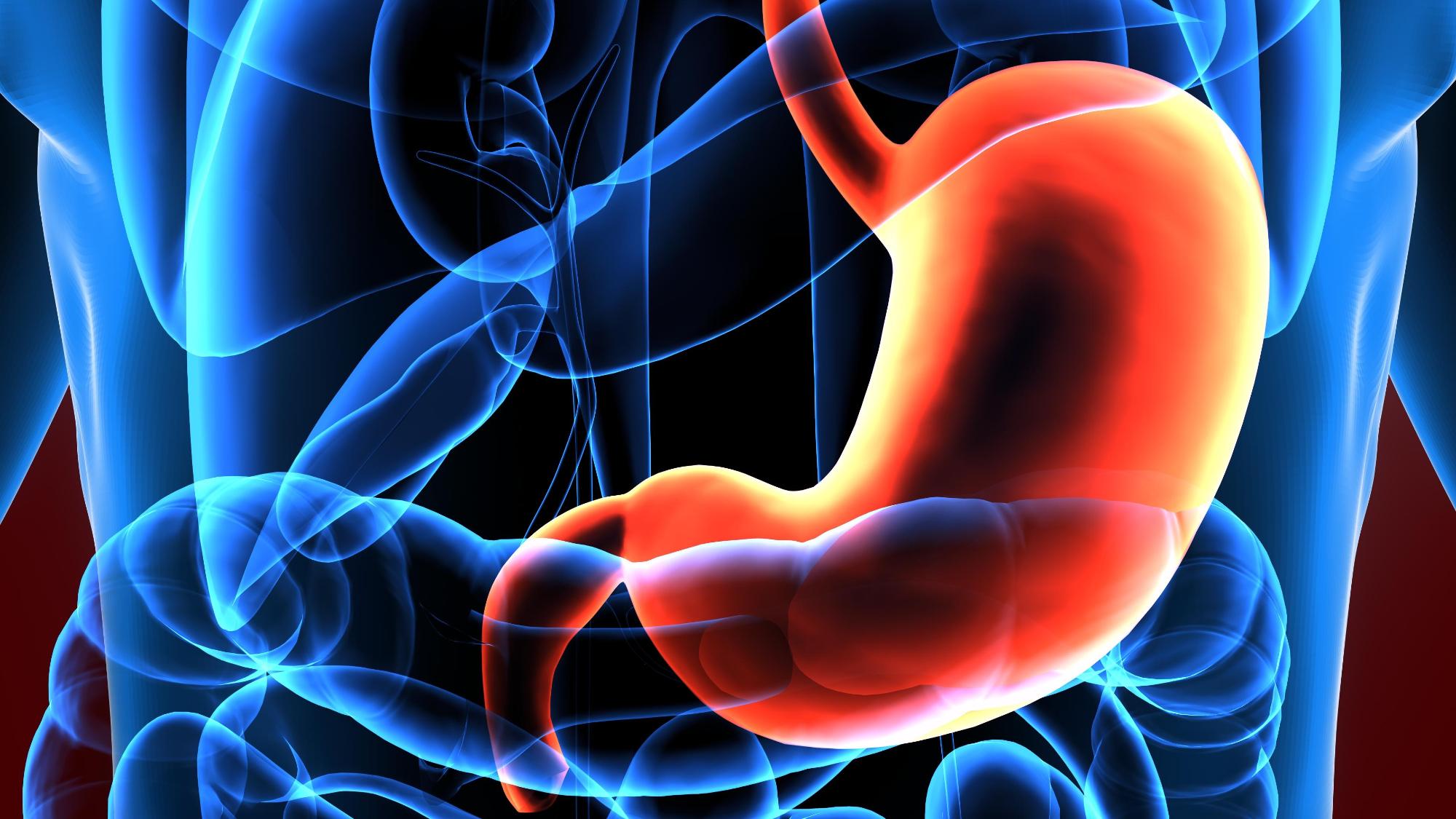
Gastroscopy is commonly performed and complications are uncommon, but as with any medical procedure, there are potential risks.
These may include:
Your doctor will explain the risks that are relevant to you before the procedure but generally, the overall risk of any complications during a gastroscopy is 0.01%
The risks may vary depending on whether the gastroscopy is purely diagnostic or whether additional treatment is performed.
However, seek medical attention if you experience:
Your healthcare team will provide specific instructions about what to look out for and whom to contact after your procedure.
Mild bloating or throat discomfort shortly after a gastroscopy can be normal.

If you have persistent upper digestive symptoms or have been advised to undergo a gastroscopy, a gastroenterologist can assess your symptoms and advise whether the procedure is appropriate for you.
Dr Amitabh Monga
Senior Consultant Gastroenterologist
The gastroscopy itself is usually relatively short. However, you should allow additional time for registration, preparation, sedation and recovery.
The clinic will advise you how much time to set aside on the day of your procedure.
Gastroscopy is commonly performed with sedation to help you feel relaxed and comfortable. Depending on the type and level of sedation used, you may be drowsy and may remember little of the procedure.
Your doctor will discuss the appropriate sedation approach with you beforehand.
Gastroscopy allows your doctor to directly examine the lining of the stomach and identify suspicious or abnormal areas.
If an abnormal area is found, biopsies can be taken and examined under a microscope to determine the diagnosis.
Having symptoms that require gastroscopy does not necessarily mean that cancer is suspected — the procedure is used to investigate many much more common digestive conditions.
Not everyone with acid reflux or GERD needs a gastroscopy.
Your doctor may recommend one if your symptoms or medical history suggest that the oesophagus should be examined directly, if there are warning symptoms such as difficulty swallowing or gastrointestinal bleeding, or if another condition needs to be excluded.
A gastroscopy allows your doctor to examine the upper digestive tract directly and, when needed, take tissue samples or perform treatment during the same procedure.
If you have persistent upper digestive symptoms or have been advised to undergo gastroscopy, speak to our team about the appropriate next steps.