
Swallowing difficulties, medically known as dysphagia, occur when you have difficulty moving food or liquids from your mouth to your stomach.
You may feel that food is getting stuck in your throat or chest, need extra effort to swallow, cough or choke while eating, or experience pain when swallowing.
Dysphagia can happen at any age but becomes more common with ageing and in people with certain medical conditions. In Singapore, it is also an important concern among people recovering from stroke and older adults.
Occasional difficulty swallowing may happen if you eat too quickly or do not chew food properly. However, swallowing difficulties that persist, keep returning or become progressively worse should be medically assessed to identify the underlying cause.
Having difficulty swallowing or feeling that food gets stuck?
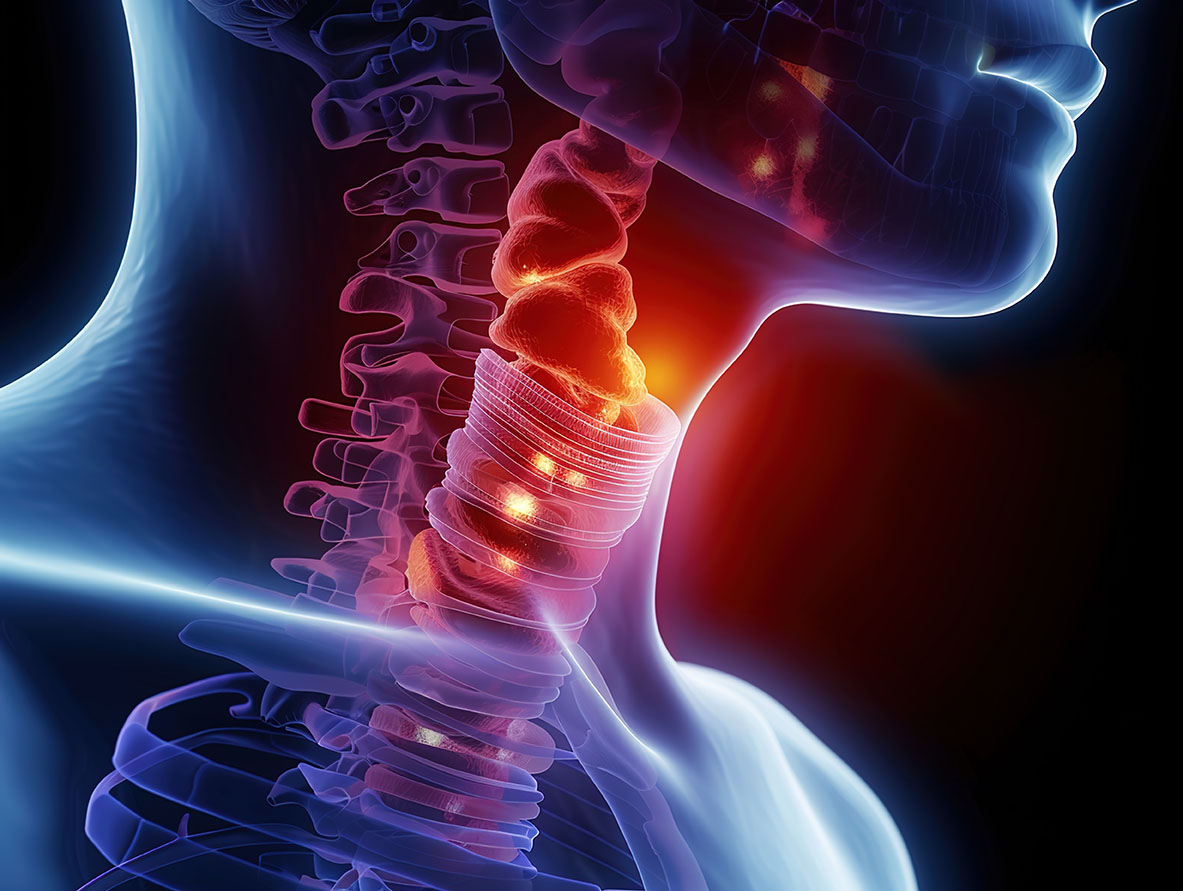
Medical name: Dysphagia
Speak to a doctor promptly if you experience:
Swallowing difficulties can present in different ways depending on where the problem occurs.
You may experience:
Some people may gradually change how they eat such as taking smaller bites, avoiding meat or other solid foods, or drinking more water with meals without realising that this may be a sign of a swallowing problem.
Dysphagia can have several possible causes.
When food feels as though it becomes stuck after you have swallowed, the problem may involve the oesophagus.
Possible causes include:
Some people have difficulty starting a swallow or experience coughing and choking when eating or drinking.
This type of swallowing problem can occur with neurological conditions such as:
Depending on your symptoms, investigations may include:
A gastroscopy uses a thin, flexible tube with a camera to examine the oesophagus, stomach and first part of the small intestine.
It can help identify inflammation, narrowing or other structural causes of swallowing difficulties. Tissue samples (biopsies) can also be taken if necessary.
Oesophageal manometry measures the pressure and coordination of the muscles in the oesophagus when you swallow.
It can help diagnose motility disorders such as achalasia.
If your symptoms suggest a problem with swallowing in the mouth or throat, you may be referred for a specialised swallowing assessment, often involving a speech therapist.
Other imaging or swallowing studies may also be recommended depending on the suspected cause.
Not everyone will need every test. The appropriate investigation depends on the pattern of your swallowing difficulty and your medical history.
Your doctor will first ask about your symptoms, including whether you have difficulty with solid food, liquids or both, where food seems to become stuck, and whether the problem is becoming worse.
Treatment depends on the underlying cause.

Medication may be used when swallowing difficulties are related to conditions such as acid reflux or inflammation of the oesophagus.
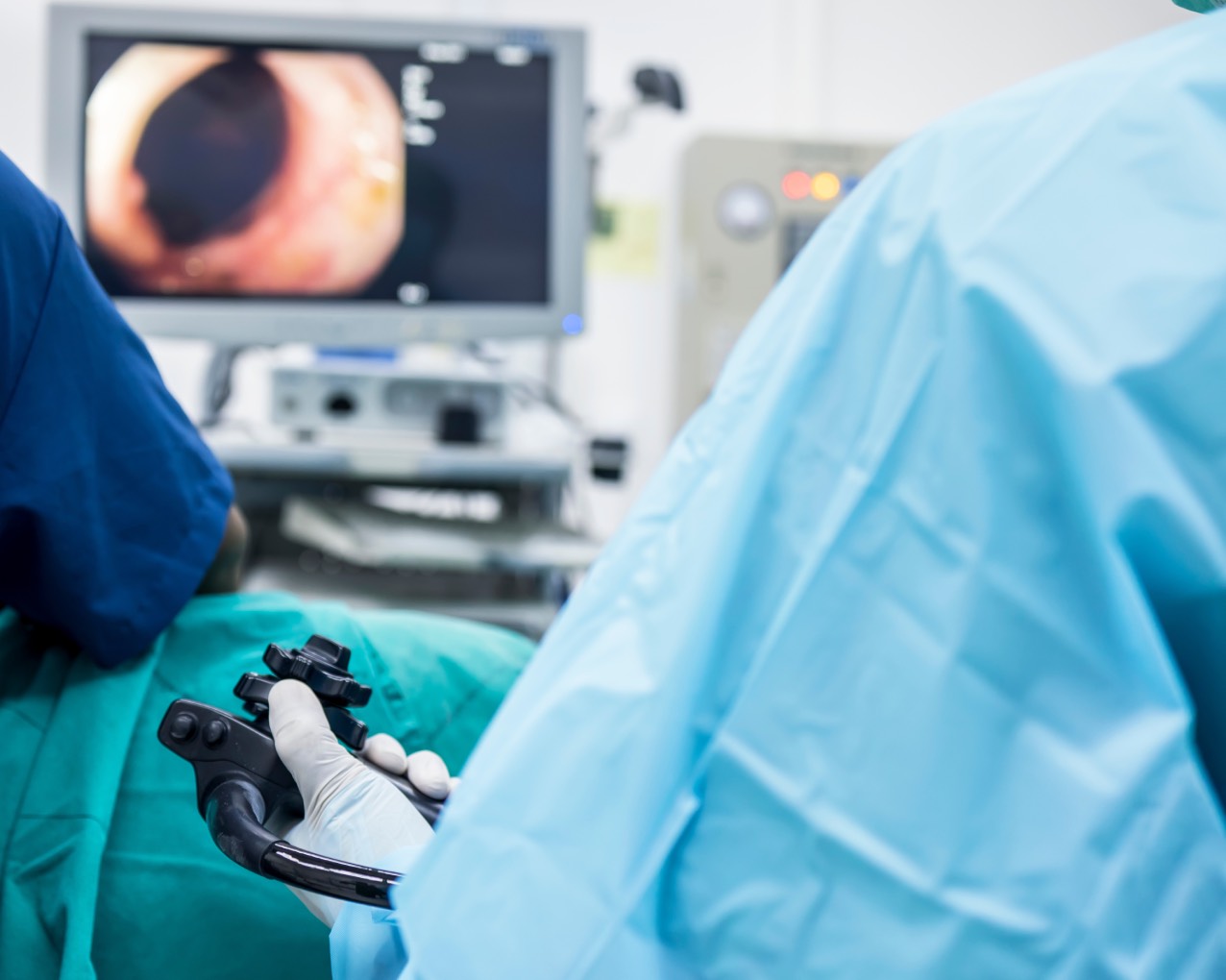
If the oesophagus has become narrowed, an endoscopic procedure may sometimes be used to widen it.
Certain oesophageal motility disorders may also be treated using specialised endoscopic or other procedures.

For swallowing problems involving the mouth or throat, a speech therapist may recommend swallowing techniques, exercises or changes to the texture of food and drinks to make eating safer.

Swallowing difficulties can make it harder to consume enough food and fluids, increasing the risk of weight loss, dehydration and malnutrition.
If swallowing is difficult, do not make major changes to food or fluid consistency without appropriate advice. The safest texture depends on the type of swallowing problem you have.

If you have persistent upper digestive symptoms or have been advised to undergo a gastroscopy, a gastroenterologist can assess your symptoms and advise whether the procedure is appropriate for you.
Dr Amitabh Monga
Senior Consultant Gastroenterologist
Food getting stuck after you swallow can occur when there is narrowing or inflammation of the oesophagus, or when the muscles that move food towards the stomach are not working normally.
If this happens repeatedly, it should be assessed rather than simply managed by drinking more water with meals.
Yes. Long-term acid reflux can sometimes cause inflammation or scarring that narrows the oesophagus and makes swallowing more difficult.
However, swallowing difficulties can have other causes, so persistent symptoms should not automatically be assumed to be due to reflux.
A gastroscopy is commonly used to investigate swallowing difficulties involving the oesophagus because it allows the doctor to look for inflammation, narrowing or other structural problems.
Whether you need one depends on your symptoms and medical assessment.
Yes, although treatment depends on the cause. Options may include medication, endoscopic treatment, treatment for an oesophageal motility disorder, or swallowing rehabilitation with a speech therapist.
Identifying where and why swallowing is difficult is the first step towards choosing the appropriate treatment.
Persistent or worsening swallowing difficulties should not be ignored. An assessment can help identify the cause and determine whether further investigation or treatment is needed.