
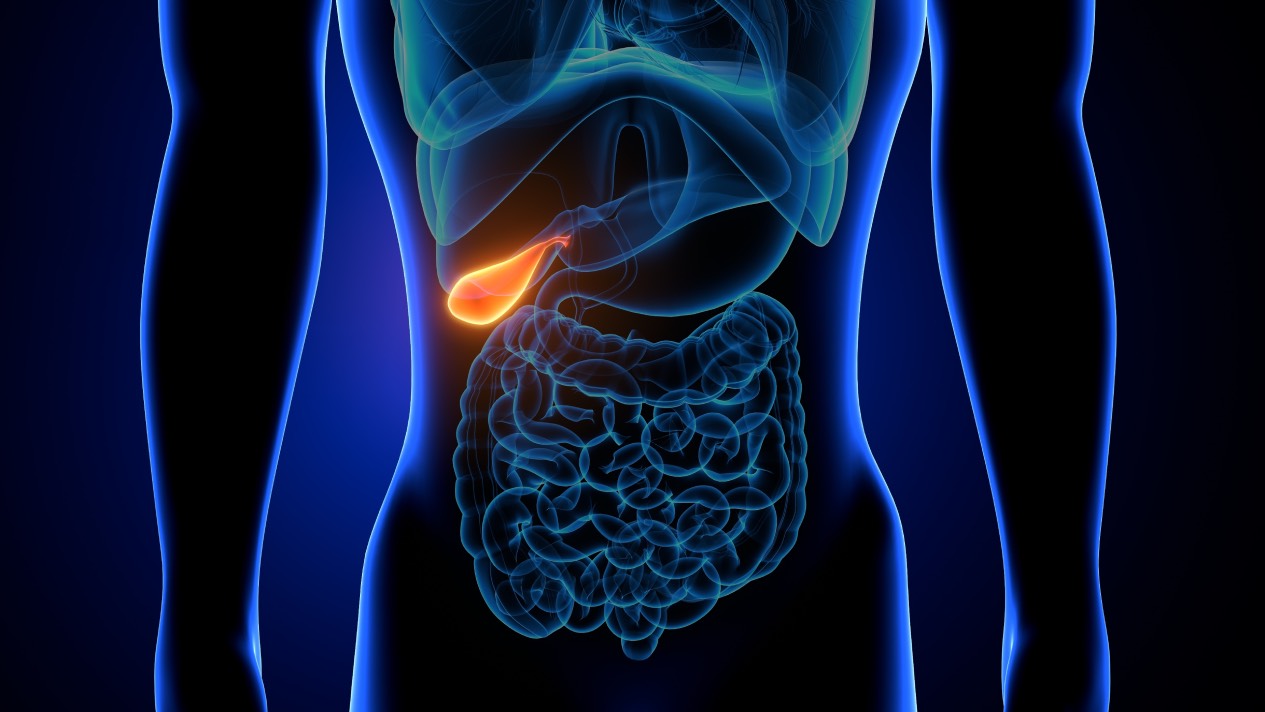
The gallbladder is a small organ located beneath the liver that stores bile, a fluid produced by the liver to help digest fats. The bile ducts are small tubes that carry bile from the liver and gallbladder into the small intestine.
Problems can develop when gallstones form, the gallbladder becomes inflamed, or the normal flow of bile becomes blocked.
Gallstones are one of the most common gallbladder problems. Many people with gallstones have no symptoms and may only discover them during an ultrasound performed for another reason. However, when a gallstone blocks the gallbladder or bile ducts, it can cause significant abdominal pain and, in some cases, complications that require prompt treatment.
Experiencing recurring upper abdominal pain or recently diagnosed with gallstones?
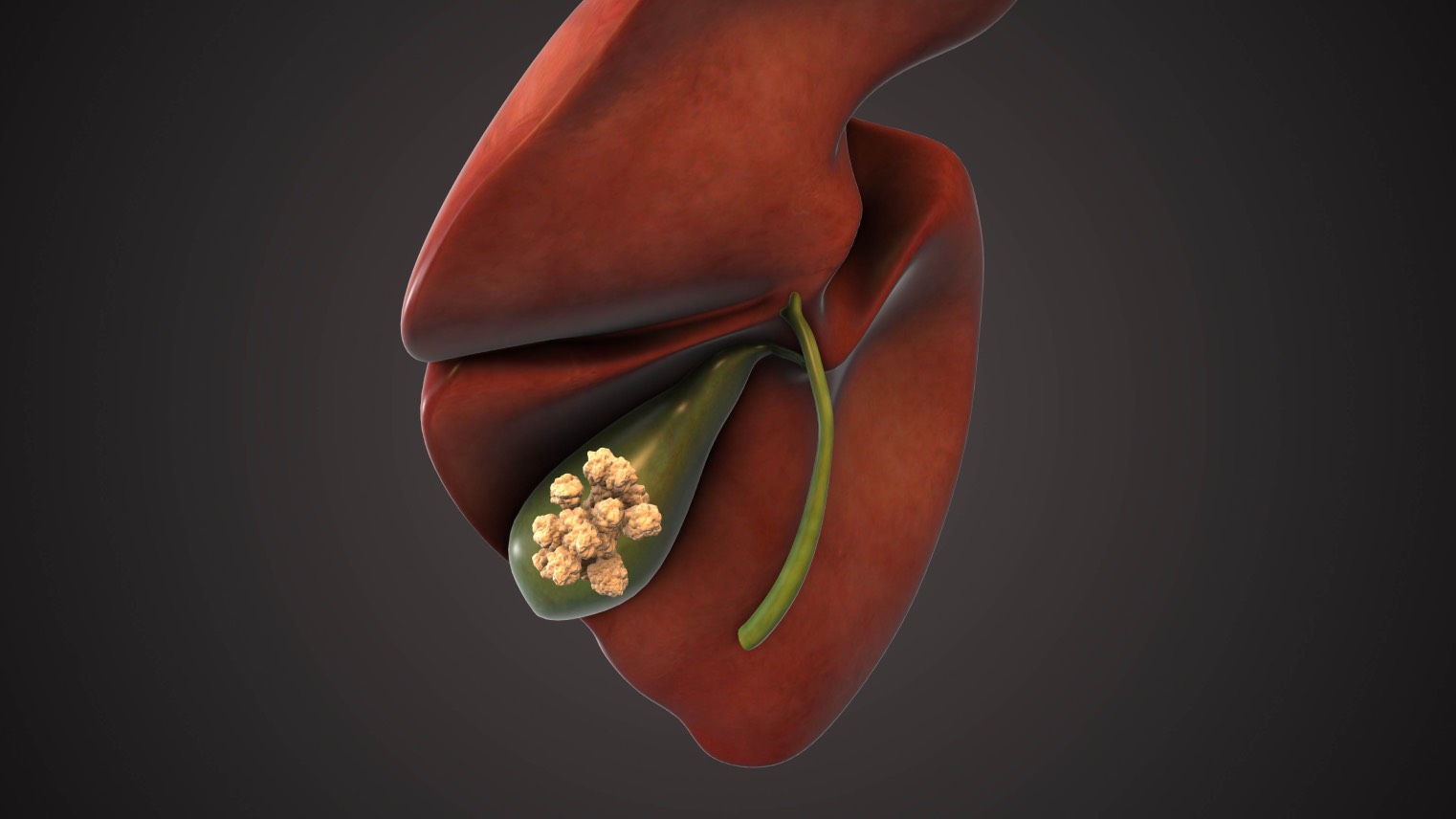
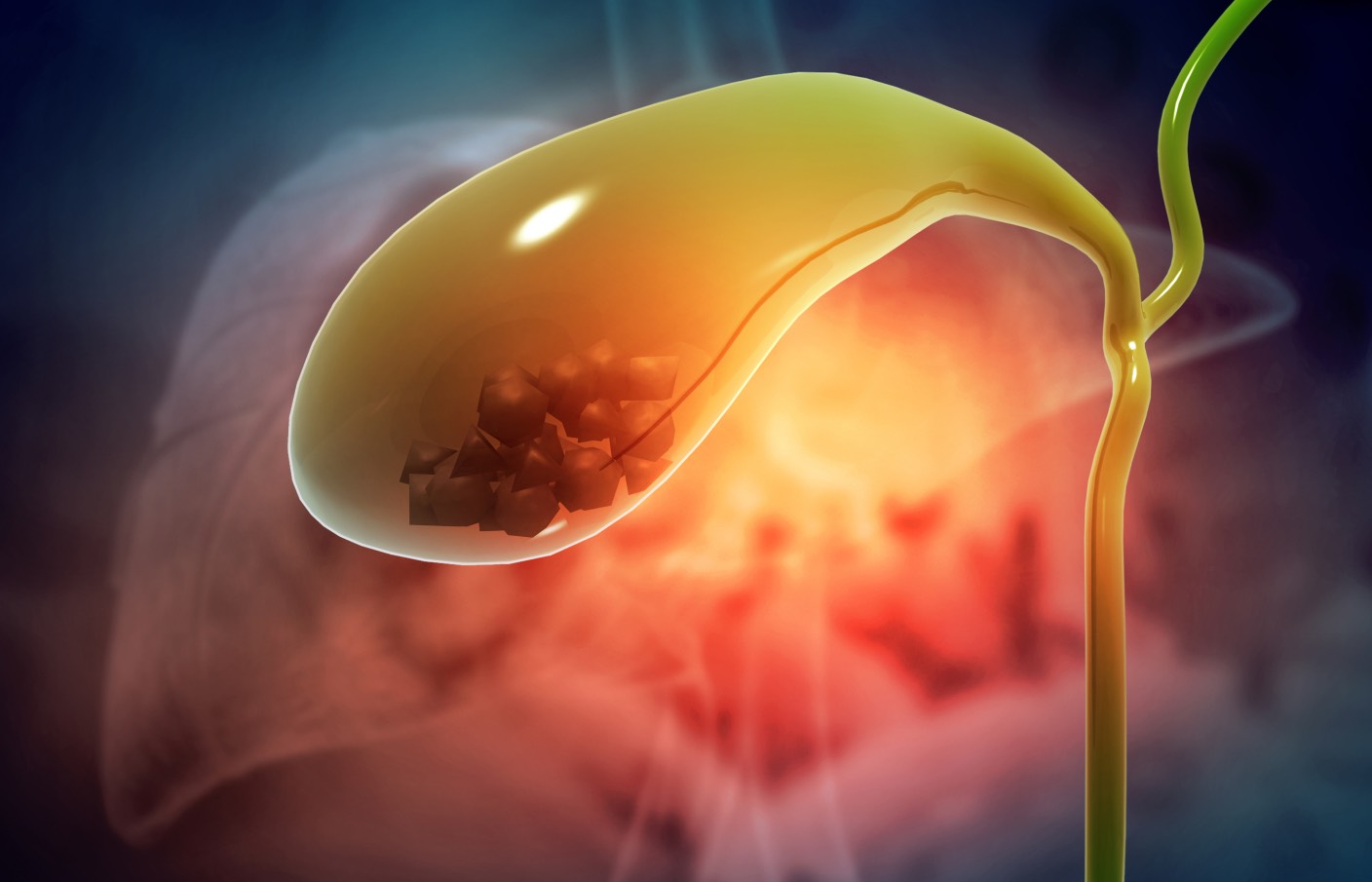
Gallstones are hardened deposits that form inside the gallbladder.
They can vary considerably in size and may remain in the gallbladder without causing symptoms.
Problems can develop when a stone blocks the flow of bile. This can cause a characteristic episode of upper abdominal pain known as biliary colic.

Cholecystitis is inflammation of the gallbladder, most commonly occurring when a gallstone blocks the opening of the gallbladder.
It can cause persistent pain in the upper right abdomen, often accompanied by fever, nausea or vomiting.
Acute cholecystitis requires medical assessment.
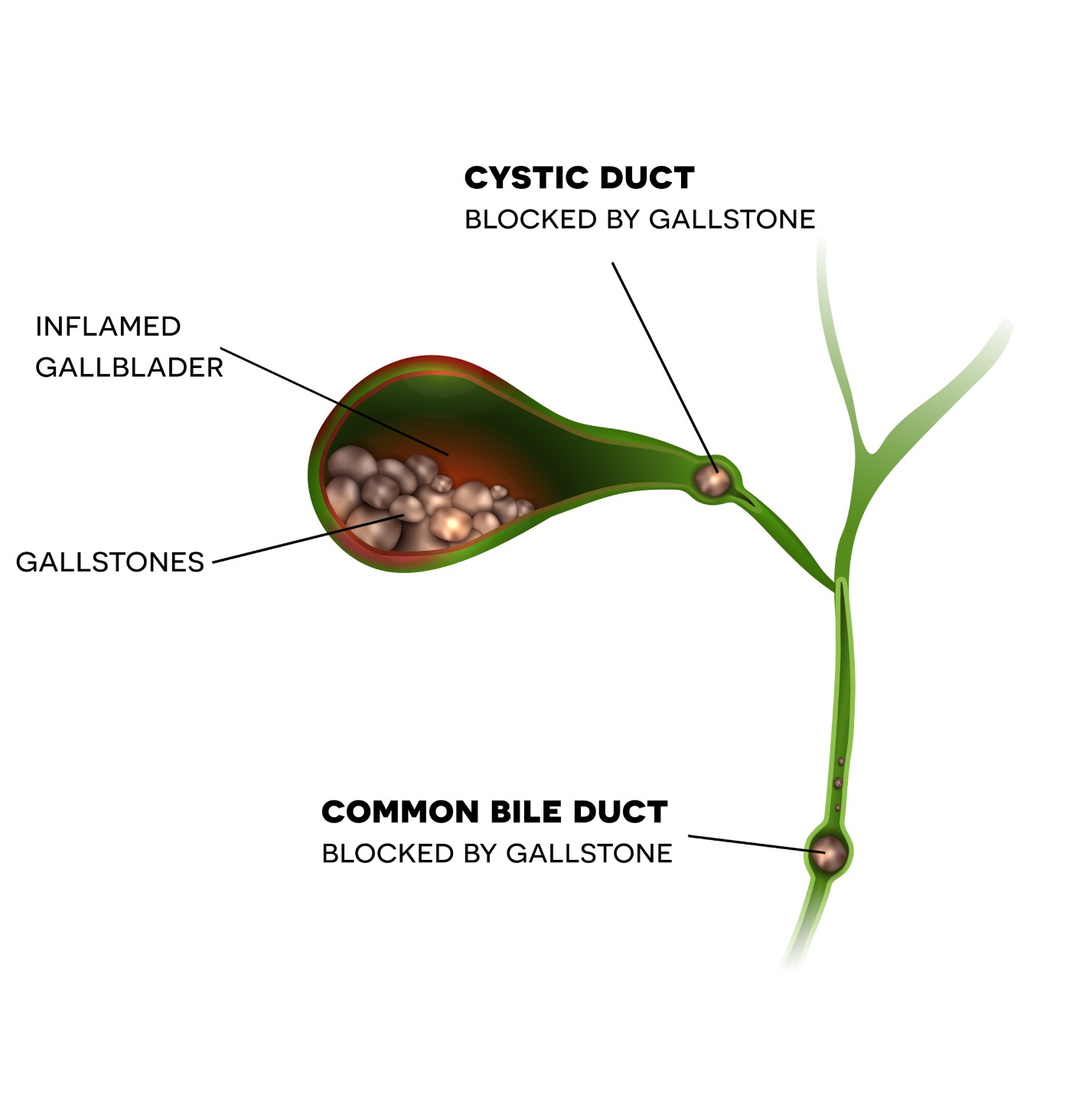
Sometimes a gallstone moves out of the gallbladder and enters the common bile duct, the tube that carries bile towards the small intestine.
A stone in the bile duct can obstruct the flow of bile and may cause:
Bile duct stones generally need to be assessed and treated because they can lead to complications.
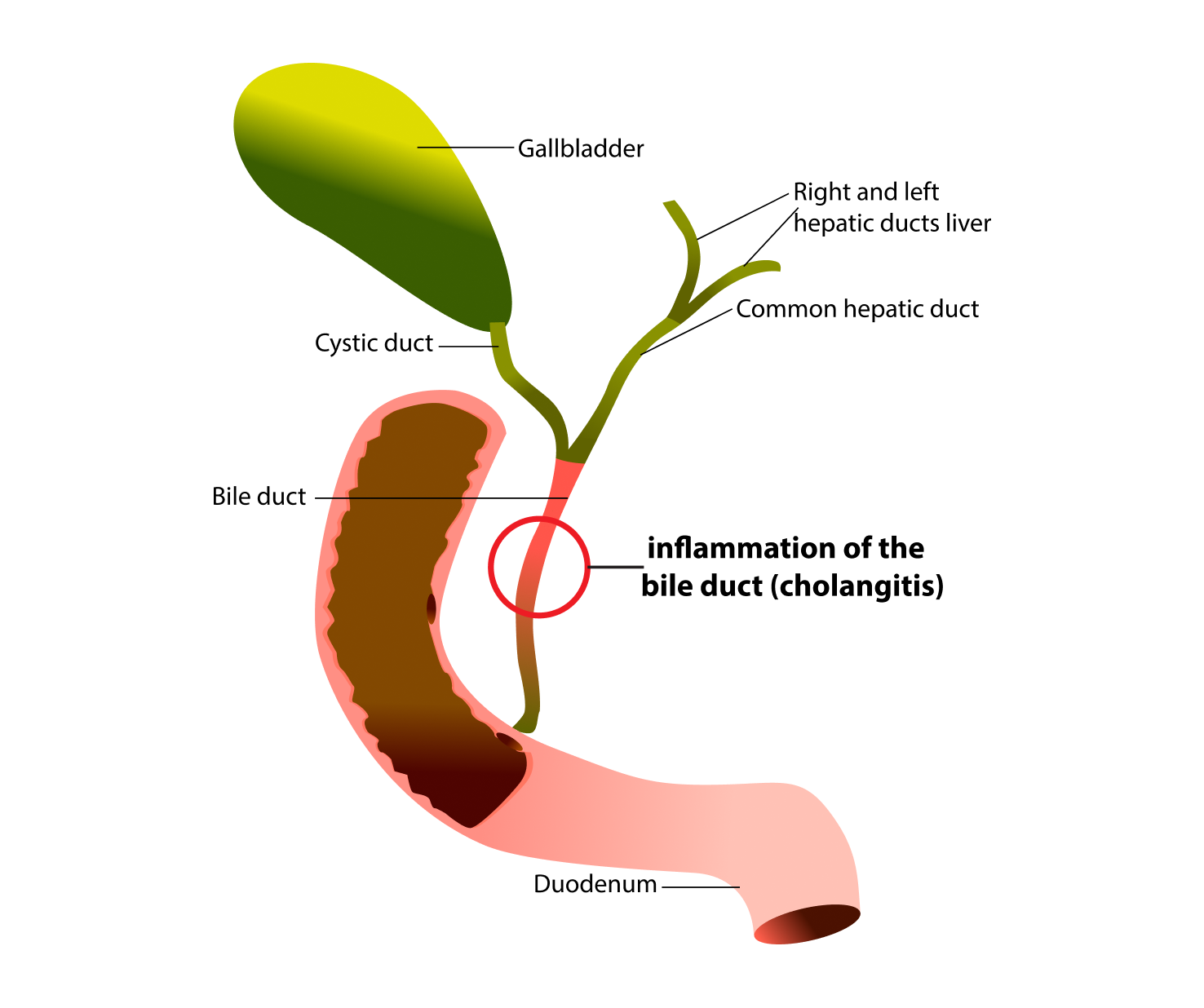
Cholangitis is an infection of the bile ducts, usually occurring when the flow of bile is obstructed.
It can cause abdominal pain, fever and jaundice and can become serious if not treated promptly.

The bile duct and pancreatic duct meet near the opening into the small intestine. A gallstone passing through this area can sometimes block the pancreatic duct and trigger inflammation of the pancreas.
This is known as gallstone pancreatitis and requires prompt medical assessment.
Seek medical attention if abdominal pain occurs together with:
These symptoms may indicate gallbladder inflammation, bile duct obstruction, infection or pancreatitis.
Most gallstones cause no symptoms.
When a gallstone temporarily blocks the outlet of the gallbladder, it may cause biliary pain.
Biliary pain may last from several minutes to a few hours before settling.
Gallstones form when substances within bile become imbalanced and harden into stones.
There are different types of gallstones, with cholesterol stones being the most common.
Factors associated with an increased likelihood of gallstones include:
Having these risk factors does not necessarily mean that you will develop gallstones.
Depending on your symptoms, investigations may include:
Blood tests can look for signs of:
An abdominal ultrasound is commonly used to look for gallstones and signs of gallbladder inflammation.
It is non-invasive and is usually the first imaging test performed when gallstones are suspected.
Magnetic Resonance Cholangiopancreatography (MRCP) is a specialised type of MRI that provides detailed images of the bile ducts and pancreatic ducts.
It may be recommended when a stone or obstruction in the bile duct is suspected.
Endoscopic Ultrasound (EUS) combines endoscopy with ultrasound to obtain detailed images from within the digestive tract.
It can be particularly useful for detecting small stones in the bile duct that may not be clearly visible on other scans.
Endoscopic Retrograde Cholangiopancreatography (ERCP) is an endoscopic procedure used primarily to treat problems affecting the bile ducts, rather than simply to diagnose them.
For example, ERCP can be used to remove a stone that is blocking the common bile duct or to relieve certain types of biliary obstruction.
Not everyone with gallstones requires an ERCP.
Your doctor will consider the location and pattern of your pain, associated symptoms and medical history.
Treatment depends on where the stones are located, whether they are causing symptoms and whether complications have developed.
If gallstones are discovered incidentally and are not causing symptoms, treatment may not be necessary.
Your doctor can advise whether monitoring or any further assessment is appropriate based on your individual situation.

If gallstones are causing recurrent pain, medical assessment is recommended.
Pain-relieving medication may help during an episode, but recurrent symptoms may require further evaluation to determine the most appropriate longer-term treatment.

Stones within the common bile duct usually require treatment because they can cause obstruction, infection or pancreatitis.
An ERCP may be used to remove the stone from the bile duct and restore the normal flow of bile.

For people with recurrent symptomatic gallstones or complications such as gallbladder inflammation, removal of the gallbladder may be recommended.
This operation is known as a cholecystectomy and is usually performed using keyhole surgery.
However, not everyone with gallstones needs their gallbladder removed. The decision depends on your symptoms, the location of the stones, any complications and your overall health.
If surgery is appropriate, your gastroenterologist can discuss the findings with you and arrange referral to a surgeon where necessary.
It is not always possible to prevent gallstones.
However, general measures that may help reduce the likelihood of developing them include:
If you already have gallstones, dietary changes cannot reliably make existing stones disappear.
Some people with symptomatic gallstones notice that rich or fatty meals trigger discomfort. Avoiding personal food triggers may help reduce symptoms while you are awaiting medical assessment, but diet does not replace treatment when complications are present.
Abdominal pain together with fever and jaundice requires urgent medical assessment, as this combination can occur with an infection of the bile ducts.
Consider seeing a doctor if:

If you have persistent upper digestive symptoms or have been advised to undergo a gastroscopy, a gastroenterologist can assess your symptoms and advise whether the procedure is appropriate for you.
Dr Amitabh Monga
Senior Consultant Gastroenterologist
Not necessarily.
Many people have gallstones that never cause symptoms. If they are discovered incidentally and are not causing problems, treatment may not be required.
Your doctor can advise whether any follow-up is needed based on your individual health and findings.
Gallstone-related pain is commonly felt in the upper right or upper middle abdomen. It may become quite intense and can sometimes spread towards the back or right shoulder.
The pain may occur after eating and can last from several minutes to a few hours.
Persistent pain, particularly when accompanied by fever, jaundice or vomiting, should be assessed promptly.
It depends on where the stone is located.
A stone that has entered the common bile duct may be removed using ERCP. However, ERCP does not remove stones that remain inside the gallbladder.
If gallstones within the gallbladder are repeatedly causing symptoms or complications, gallbladder removal may be recommended.
EUS (Endoscopic Ultrasound) is primarily used to obtain detailed images and can help detect small stones or other abnormalities in and around the bile ducts.
ERCP is primarily a treatment procedure. It can be used to remove bile duct stones, relieve an obstruction or perform other treatments within the bile ducts.
Your doctor will advise which test or procedure is appropriate based on your symptoms and previous investigations.
Gallstones do not always require treatment, but recurring pain, bile duct stones or signs of a complication should be assessed. The appropriate treatment depends on where the problem is and whether it is causing symptoms.