
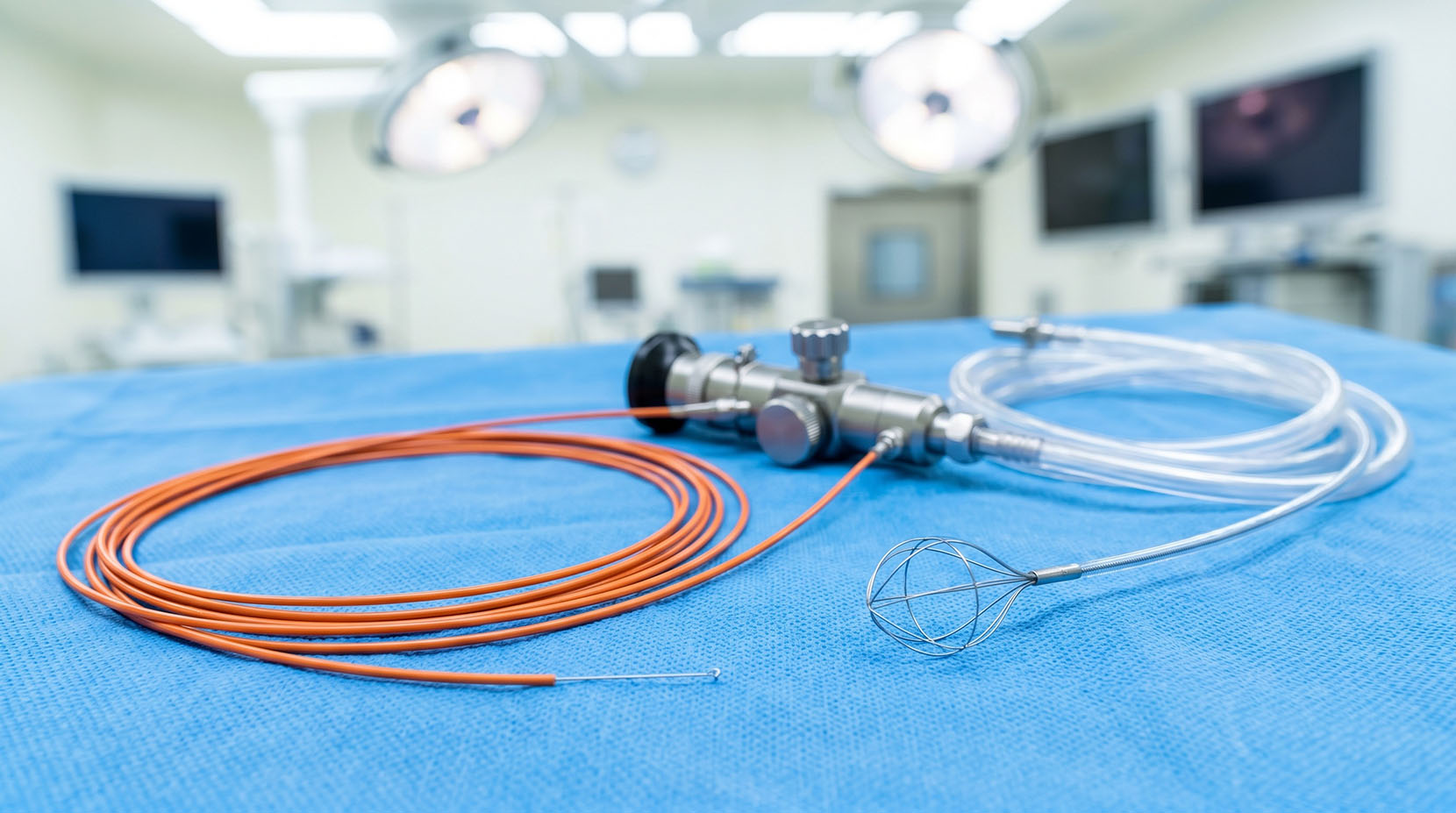
Endoscopic Retrograde Cholangiopancreatography (ERCP) is an endoscopic procedure used mainly to treat problems affecting the bile ducts and pancreatic ducts.
The bile ducts carry bile from the liver and gallbladder towards the small intestine, while the pancreatic duct carries digestive enzymes from the pancreas.
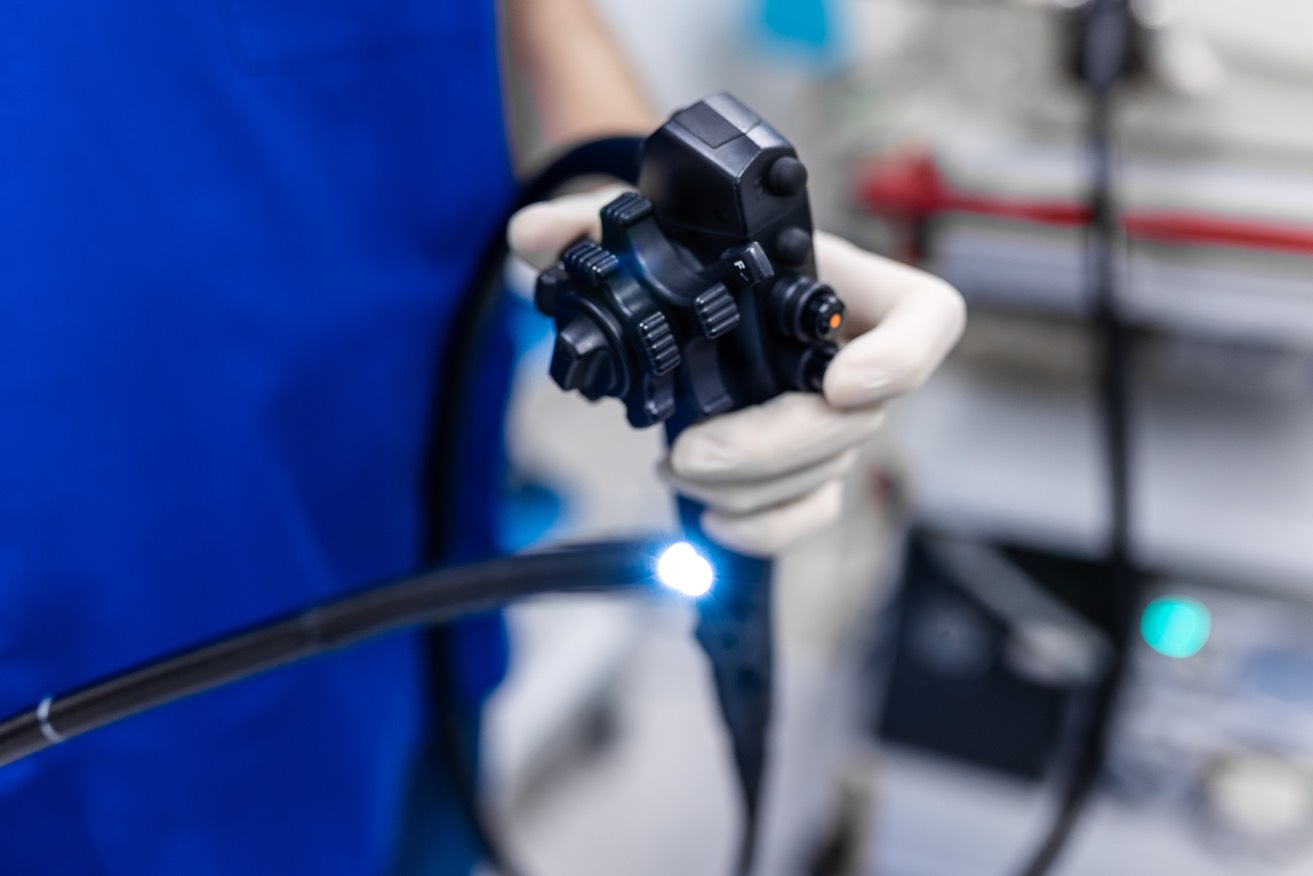
During ERCP, a flexible tube called an endoscope is passed through the mouth, stomach and into the first part of the small intestine. Your gastroenterologist then accesses the opening of the bile and pancreatic ducts and uses X-ray imaging to guide treatment.
ERCP may be used to:
Today, ERCP is generally used when treatment is required or likely to be required, rather than simply to obtain diagnostic images.
Been advised to undergo an ERCP?
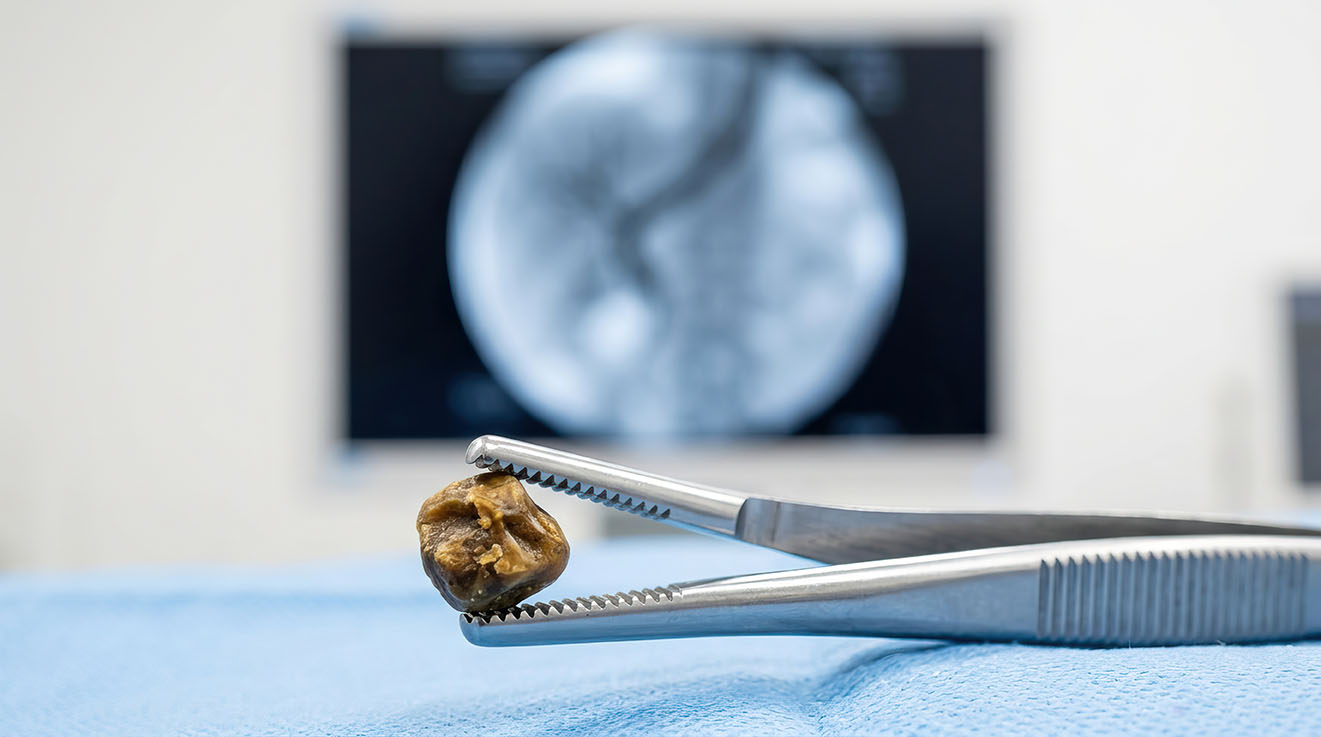
Your doctor may recommend ERCP when an investigation has identified or strongly suggested a problem within the bile or pancreatic ducts that requires treatment.
Reasons may include:
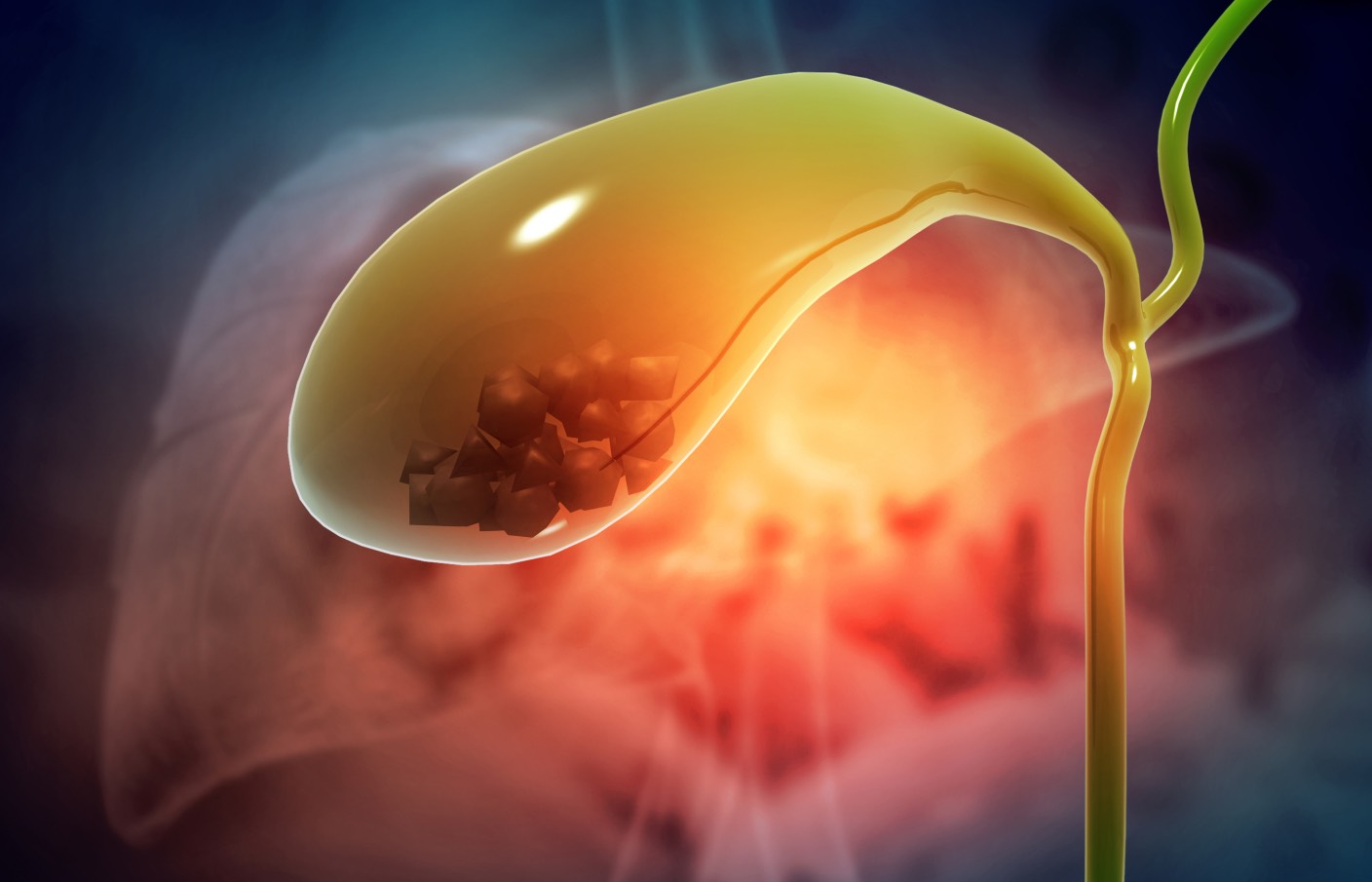
Gallstones form within the gallbladder, but sometimes a stone moves into the common bile duct.
A bile duct stone can block the normal flow of bile and may cause:
ERCP can be used to access the bile duct and remove the stone.
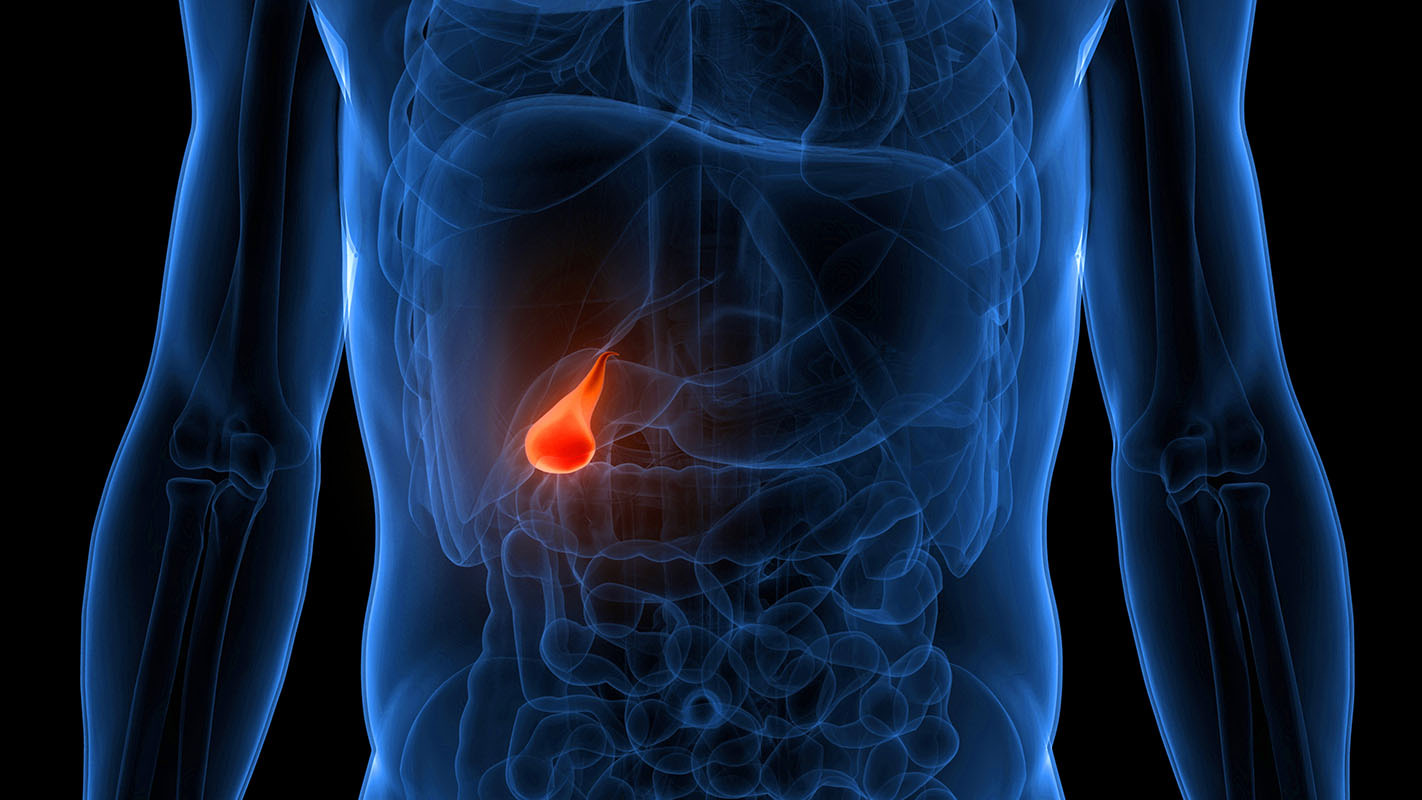
A bile duct may become blocked or narrowed for several reasons.
Depending on the cause, ERCP may be used to open the narrowing and place a stent to allow bile to drain more freely.

An infection of the bile ducts is known as cholangitis.
It can occur when a blocked bile duct prevents bile from draining normally.
Cholangitis can become serious and requires prompt medical treatment. When obstruction is present, ERCP may be needed to drain the bile duct and treat the underlying blockage.
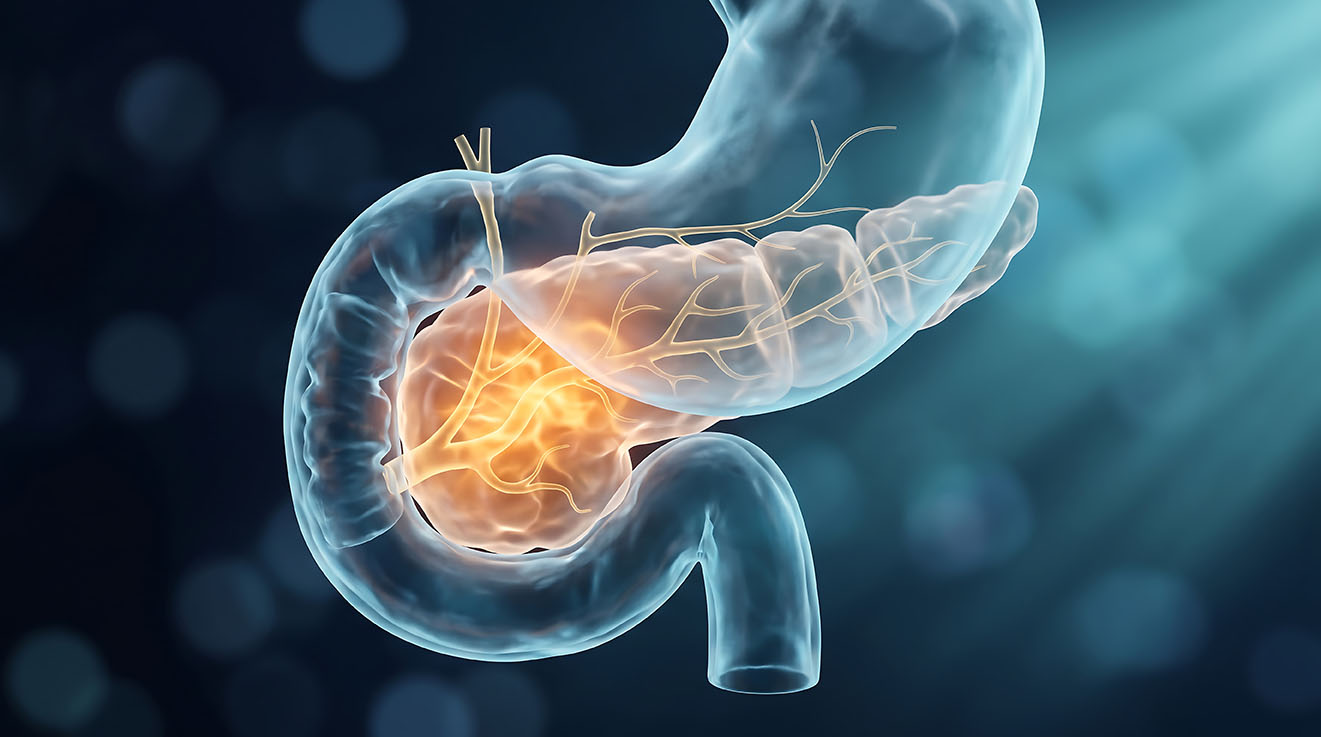
ERCP may also be used in selected conditions affecting the pancreatic duct.
Depending on the problem, treatment may involve:
Not every pancreatic disorder requires ERCP. Your doctor will consider other imaging and investigations before recommending the procedure.
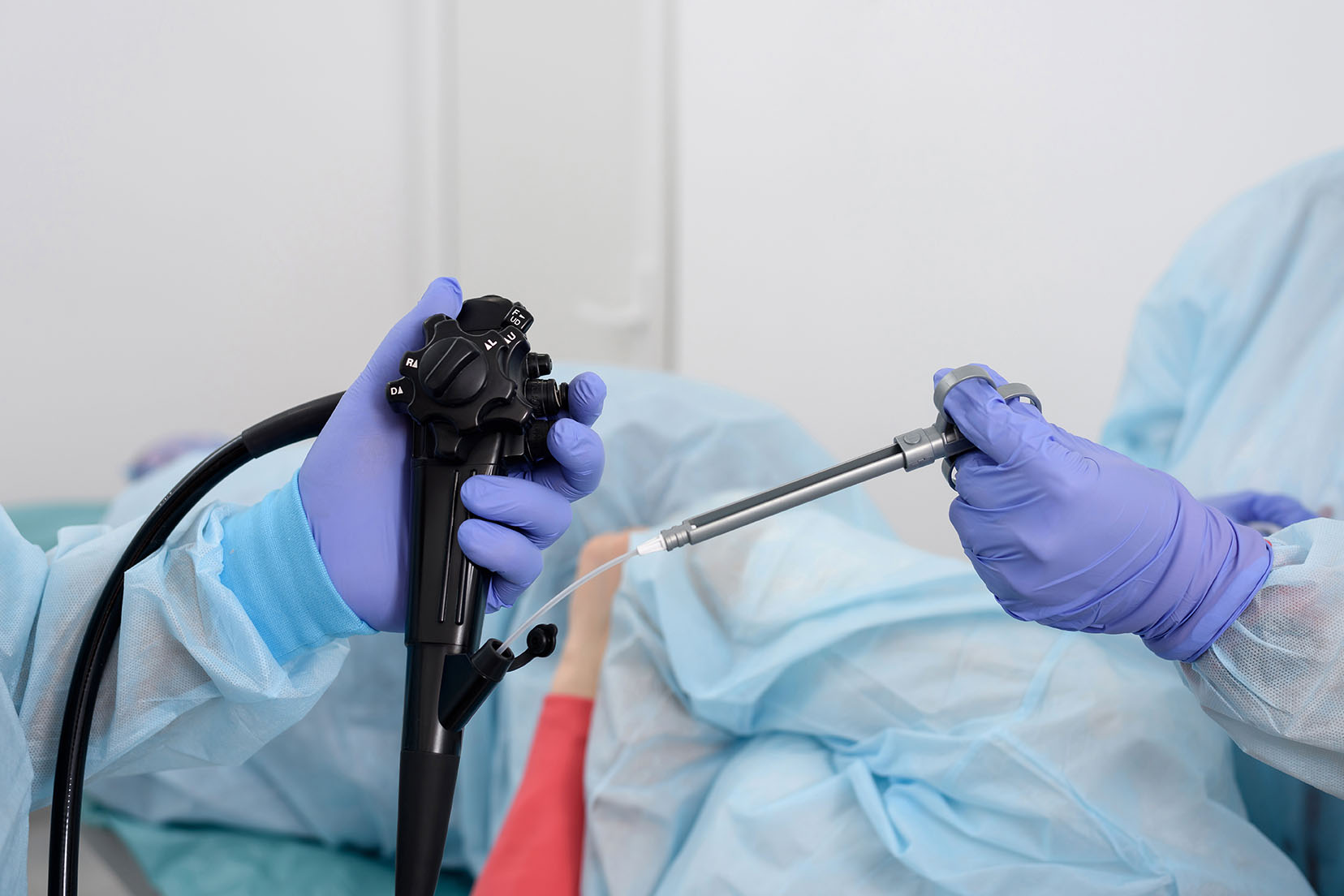
ERCP was historically used for both diagnosis and treatment.
Today, less invasive investigations can usually provide the diagnostic information needed without entering the bile or pancreatic ducts.
These may include:
If a stone or obstruction requiring treatment is identified, ERCP can then be performed to treat it. This approach helps avoid the risks of ERCP in patients who do not require an intervention.
Although EUS and ERCP are both endoscopic procedures and may be used when investigating pancreatic and biliary conditions, their purposes are different.
EUS is primarily used for detailed examination and diagnosis.
It can:
In some situations, EUS may first be used to clarify whether a bile duct stone or another abnormality is present before deciding whether ERCP is necessary.
Your doctor will recommend the appropriate procedure based on what needs to be investigated or treated.
ERCP is primarily used for treatment.
It can:
In some cases, EUS may be performed first to confirm whether treatment with ERCP is necessary.
During the procedure:
The treatment performed depends on the reason for your ERCP.
Before the procedure, your healthcare team will review your medical history, medications and previous investigations.
ERCP is performed using sedation or anaesthesia to help keep you comfortable.
One of the main advantages of ERCP is that treatment can be performed through the endoscope without open surgery.
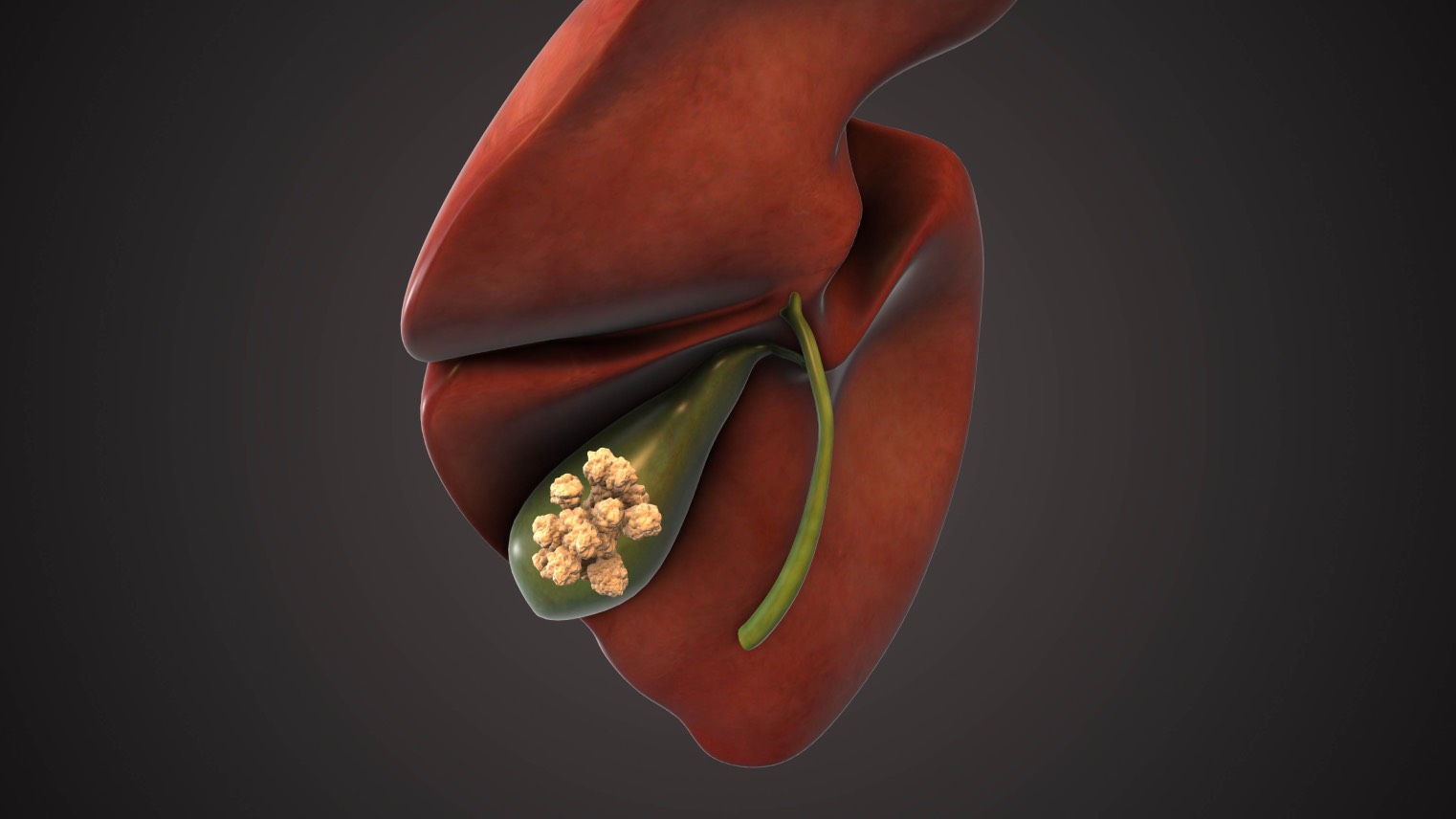
If a stone is present within the common bile duct, instruments can be passed through the endoscope to remove it.
Sometimes the opening of the bile duct needs to be enlarged with a small cut called a sphincterotomy to allow the stone to be removed.
Larger or more difficult stones may require additional techniques.
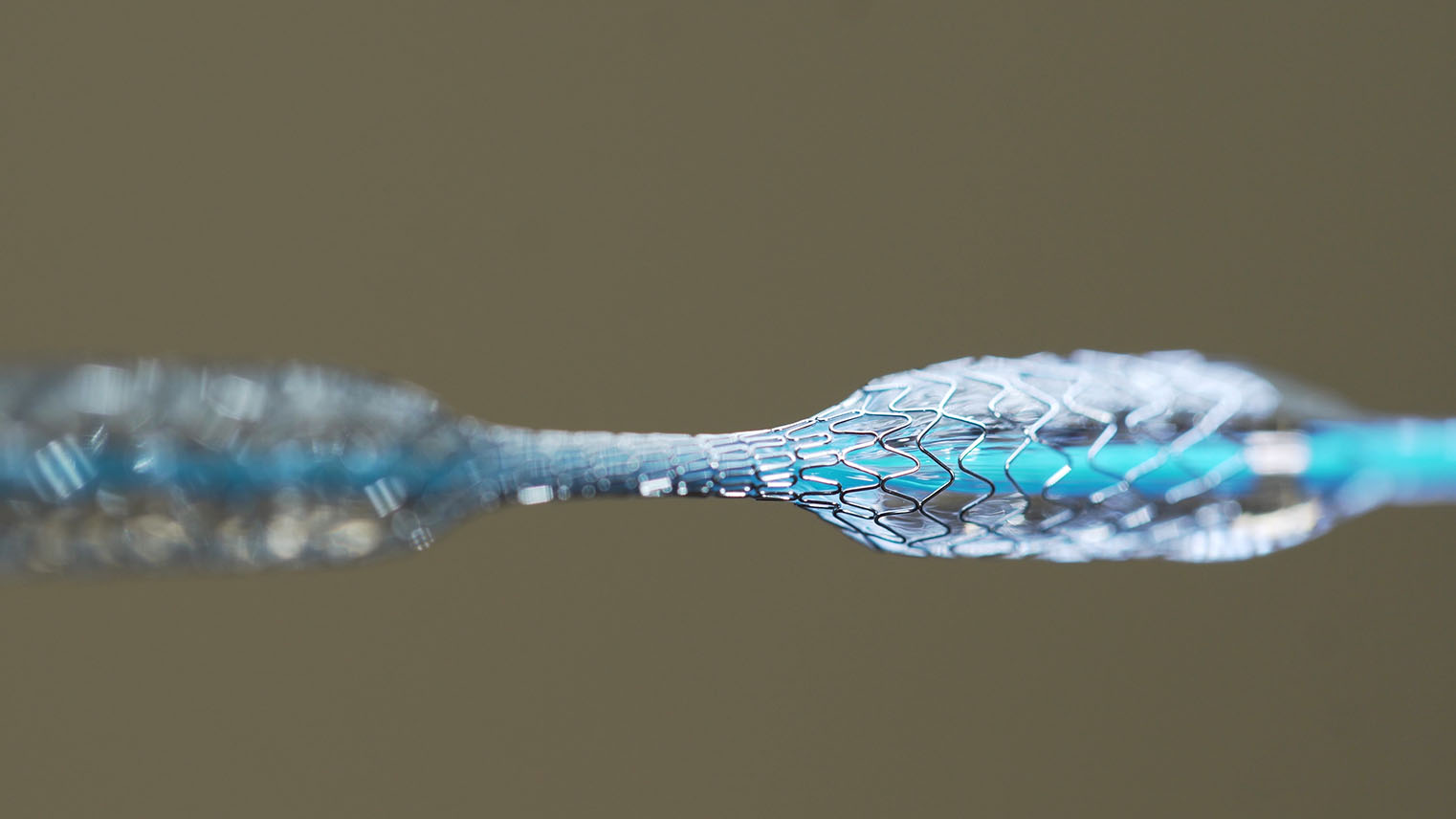
A stent is a small tube placed within a narrowed or blocked duct to help keep it open and allow fluid to drain.
Biliary stents may be used when the normal flow of bile has been obstructed.
Some stents are designed to be temporary and need to be removed or exchanged later. If a stent is placed, your doctor will explain whether further follow-up or another procedure is required.
A narrowed area, known as a stricture, may sometimes be widened during ERCP.
A stent may then be inserted to maintain drainage.
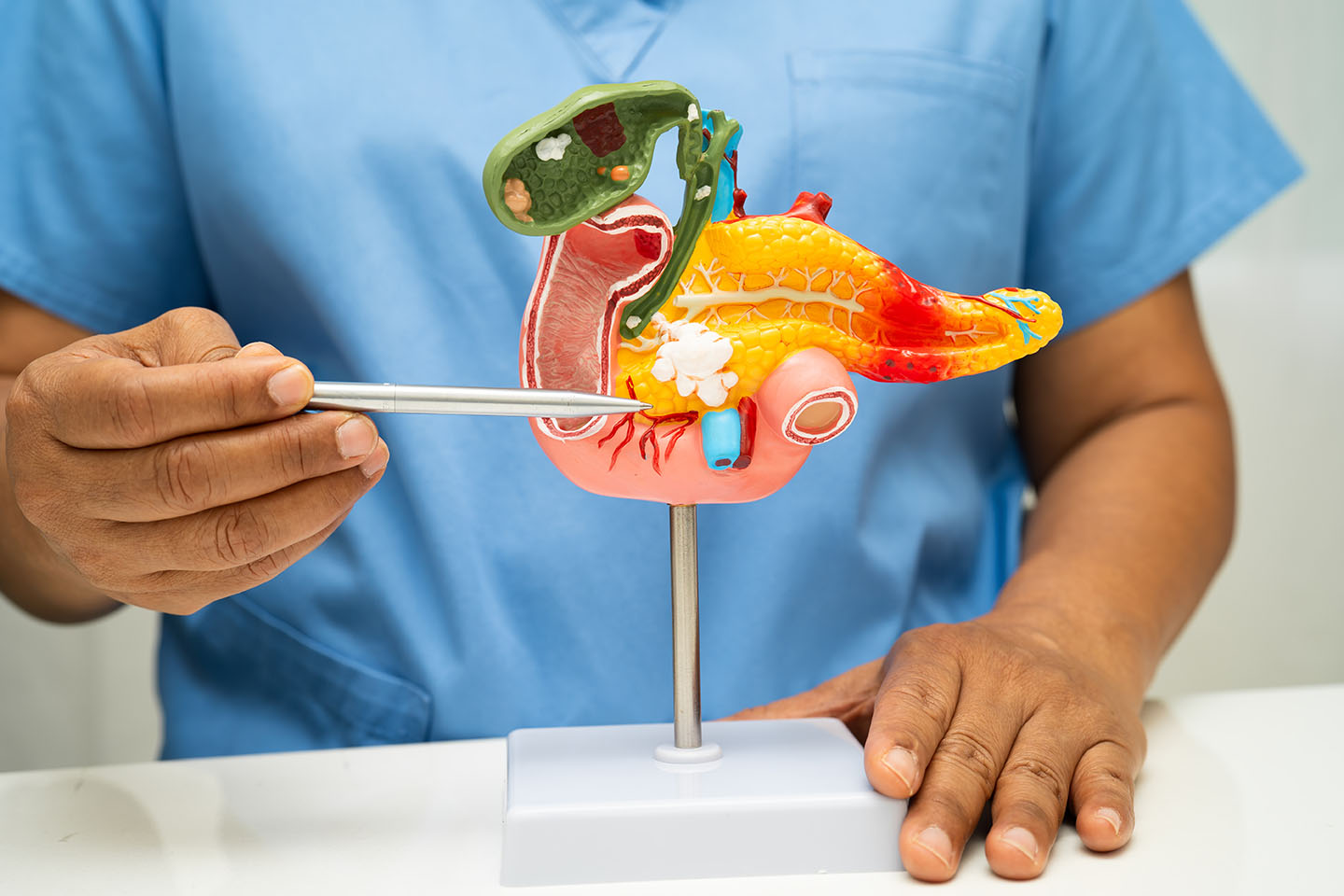
In selected patients, ERCP can also be used to treat problems involving the pancreatic duct, including certain stones, narrowing or drainage problems.
Do not stop prescribed medication on your own. Your doctor will advise whether any changes are necessary.
You should also tell your doctor if you:
You will need to fast before ERCP so that your stomach is empty for the procedure.
You will be provided specific instructions about when to stop eating and drinking. Follow these carefully.
Tell Your Doctor About Your Medications
Before ERCP, tell your doctor about all medications and supplements you take, particularly:
This is particularly important because some treatments performed during ERCP can increase the risk of bleeding.

After the procedure, you will be monitored in a recovery area.
Temporary symptoms may include:
Your doctor will discuss the findings and treatment performed with you.
If a stone was removed or a stent was inserted, you may be given specific follow-up instructions.

It is important to know whether your stent needs to be removed or exchanged.
Some biliary and pancreatic stents are temporary and should not simply be left indefinitely.
Your healthcare team will advise:
Keep your follow-up appointment even if you feel well.
ERCP can provide important treatment without the need for surgery, but it is a more invasive endoscopic procedure and has recognised risks.
Your doctor will discuss the benefits and risks relevant to your individual situation.
Possible complications include:
Pancreatitis, or inflammation of the pancreas, is one of the most recognised complications of ERCP.
It can cause significant upper abdominal pain, often accompanied by nausea or vomiting.
Your doctor will assess your individual risk and may use measures to reduce the likelihood of post-ERCP pancreatitis where appropriate.
Bleeding can occur, particularly if a sphincterotomy is performed.
The risk may be higher in people taking certain blood-thinning medications or with particular medical conditions.
Infection of the bile ducts or other areas can occur, particularly if drainage is incomplete.
Antibiotics may be recommended in selected circumstances.
Rarely, a tear or hole can occur in the duodenum, bile duct or another part of the digestive tract.
As with other procedures performed under sedation or anaesthesia, breathing, heart or medication-related complications can occur.
The risks vary depending on the reason for ERCP, the treatment being performed and your individual health.

If you have persistent upper digestive symptoms or have been advised to undergo a gastroscopy, a gastroenterologist can assess your symptoms and advise whether the procedure is appropriate for you.
Dr Amitabh Monga
Senior Consultant Gastroenterologist
No, both procedures involve passing an endoscope through the mouth, but they have different purposes.
A gastroscopy examines the lining of the oesophagus, stomach and duodenum.
ERCP uses specialised instruments and X-ray imaging to access and treat problems within the bile or pancreatic ducts.
ERCP can remove stones that have travelled into the common bile duct.
It does not remove stones that remain inside the gallbladder, and it does not remove the gallbladder itself.
If you have symptomatic gallstones within the gallbladder, your doctor may recommend surgical assessment depending on your circumstances.
Tests such as MRI/MRCP and EUS are primarily used to identify and assess abnormalities.
If they show a stone, obstruction or another duct problem that requires treatment, ERCP may then be recommended because it allows your gastroenterologist to access the duct and perform treatment.
No. ERCP is an endoscopic procedure, so it does not require the abdominal incisions used in open surgery.
However, it is an invasive procedure with recognised risks, including pancreatitis, bleeding, infection and perforation.
Your doctor will recommend ERCP when the expected benefit of treatment is considered to outweigh these risks.
ERCP allows certain problems affecting the bile and pancreatic ducts to be treated endoscopically, including bile duct stones, obstruction and narrowing.
If your scans or previous investigations have identified a problem that may require treatment, speak to our team about the appropriate next steps.