
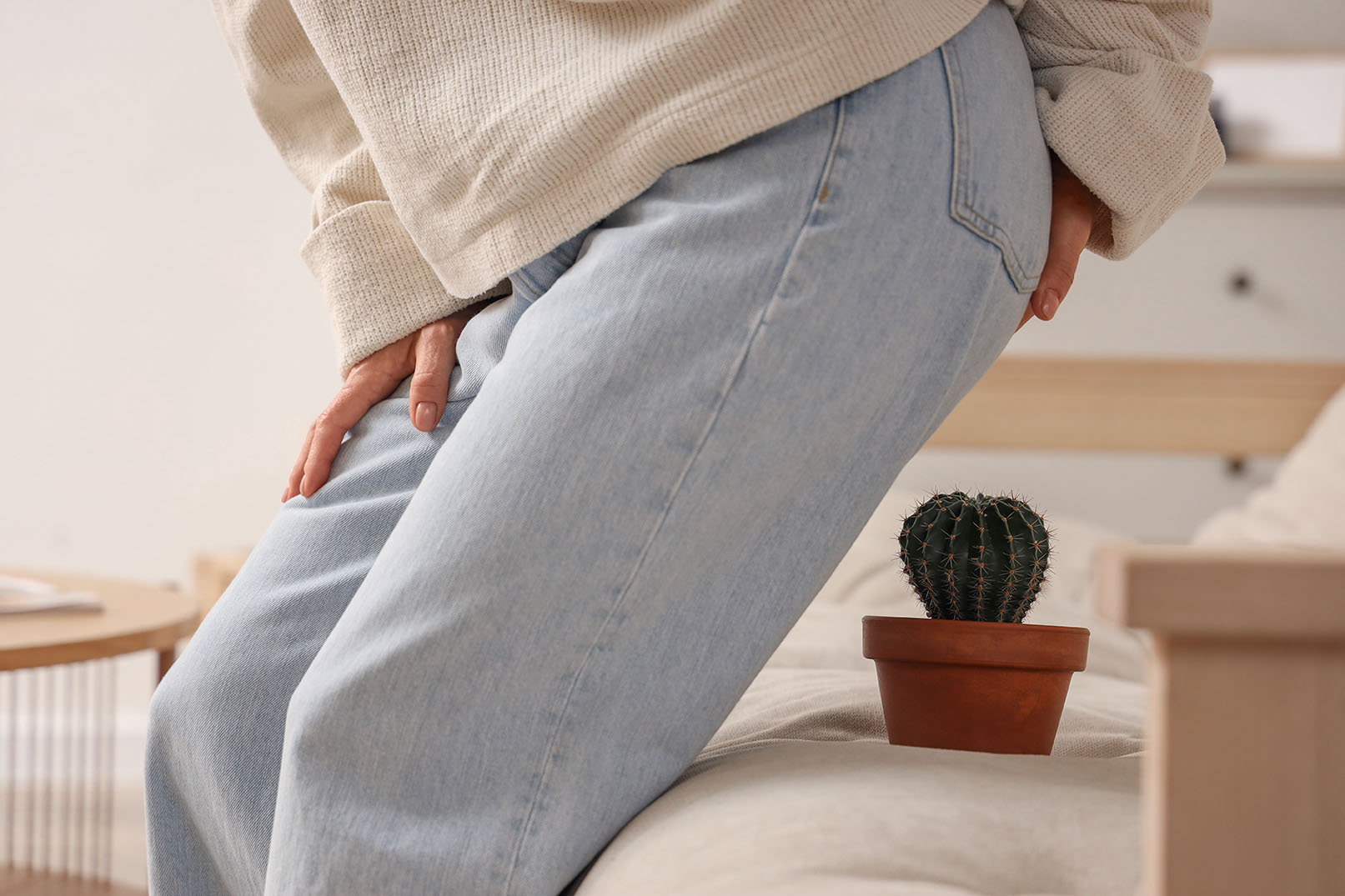
Haemorrhoids, commonly known as piles, are swollen blood vessels and supporting tissues in or around the anus and lower rectum. They are a common condition and can affect adults of different ages.
Some haemorrhoids cause no symptoms at all. Others may cause bright-red bleeding during a bowel movement, itching, discomfort or a lump around the anus.
Haemorrhoids are often associated with increased pressure around the anus, particularly from constipation and repeated straining. Pregnancy can also increase the likelihood of developing piles.
Most haemorrhoids can be managed without surgery. Treatment usually begins by relieving symptoms and improving bowel habits to reduce straining.
However, rectal bleeding should not automatically be assumed to be caused by haemorrhoids. If bleeding is new, persistent or accompanied by other changes in your bowel habits, it is worth having it assessed.
Experiencing bleeding, discomfort or a lump around the anus?
Also known as: Piles
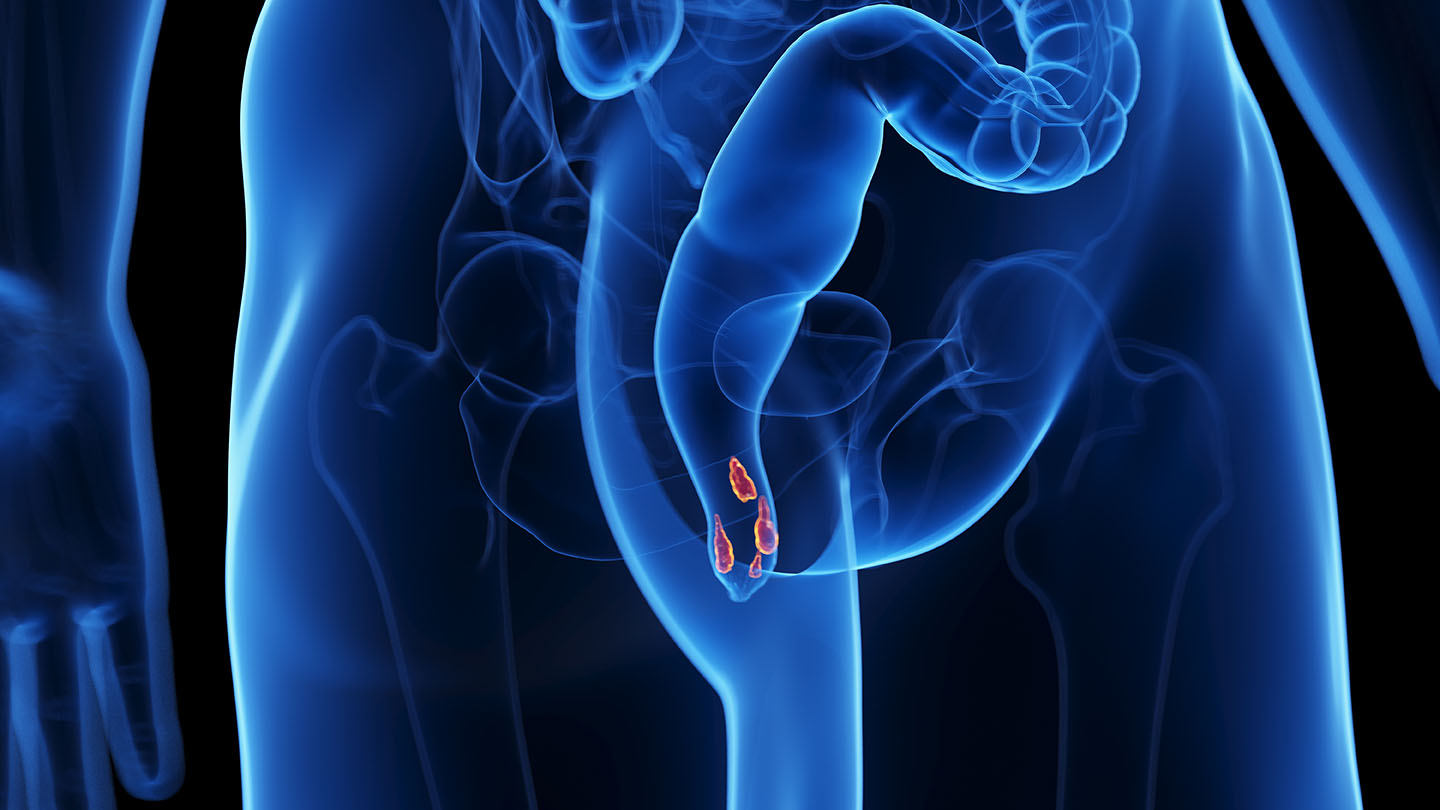
Haemorrhoids can occur inside or outside the anus.
Internal haemorrhoids develop inside the lower rectum or anal canal.
They are often painless but may cause bright-red bleeding during or after a bowel movement.
Some internal haemorrhoids may also protrude through the anus during a bowel movement. This is known as prolapse. Depending on the degree of prolapse, they may move back inside on their own, need to be gently pushed back, or remain outside.
External haemorrhoids develop beneath the skin around the anus.
They may cause:
Occasionally, a blood clot can develop inside an external haemorrhoid. This is known as a thrombosed haemorrhoid and can cause sudden, significant pain and swelling.
Speak to a doctor if you experience:
Not all rectal bleeding is caused by haemorrhoids. Anal fissures, inflammation, polyps and colorectal cancer are among the other conditions that can cause bleeding from the lower digestive tract.
Symptoms depend on the type and severity of the haemorrhoids.
Common symptoms
You may experience:
Haemorrhoids can develop when increased pressure affects the blood vessels and supporting tissues around the anus and lower rectum.
Factors that can contribute include:
Repeated straining to pass hard stools can increase pressure around the anus and is a common contributing factor.

Sitting on the toilet for extended periods can increase pressure in the area.
This is a good reason to avoid turning toilet time into phone time try to go when you feel the urge and avoid sitting and straining unnecessarily.
Frequent bowel movements and repeated straining or irritation can also contribute to haemorrhoids.

Changes during pregnancy, including increased pressure in the abdomen, can make haemorrhoids more likely. They often improve after delivery.
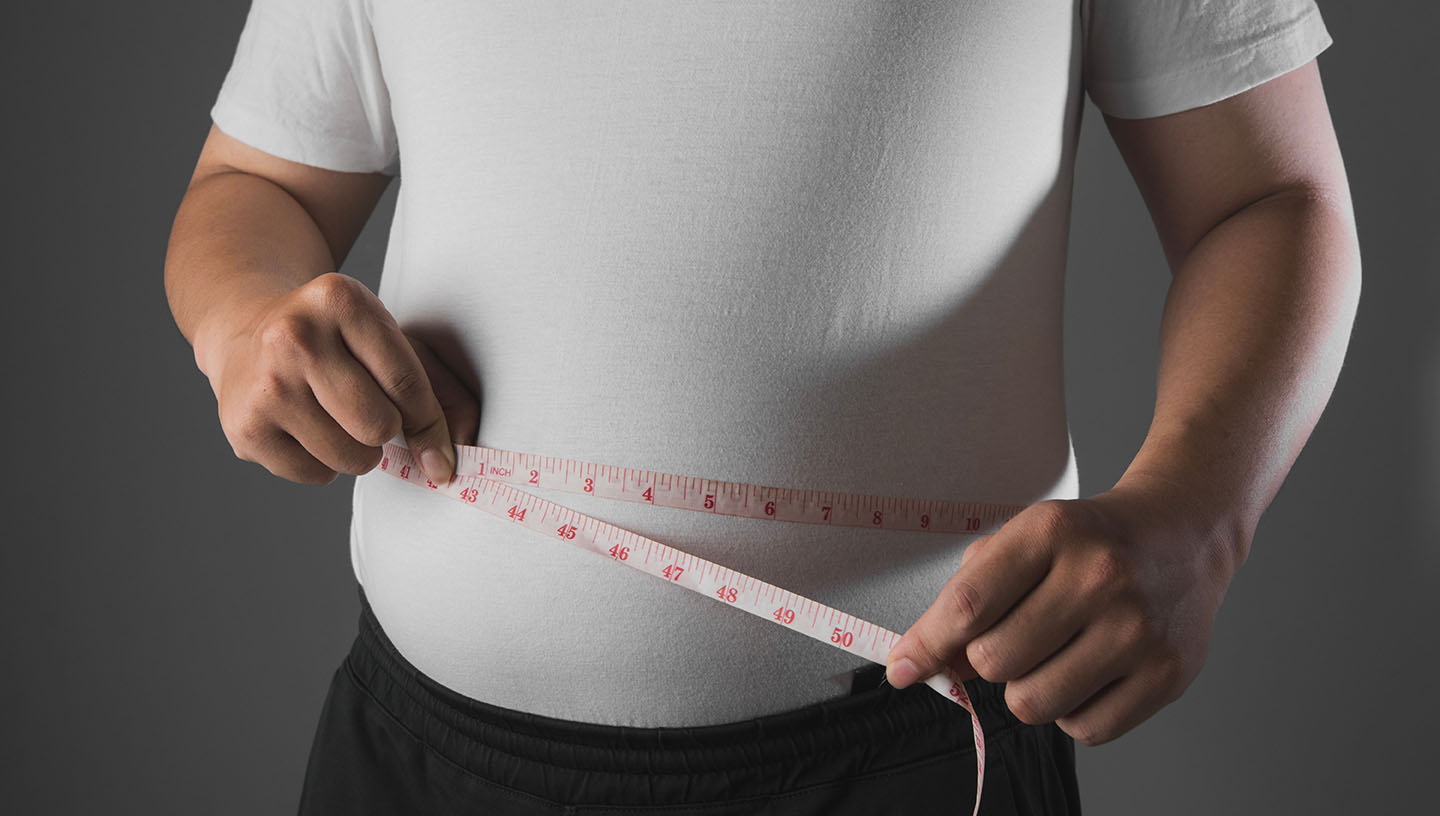
These can include:
Your doctor will usually begin by asking about your symptoms, bowel habits and medical history.
A physical examination may be enough to identify external haemorrhoids.
For possible internal haemorrhoids, your doctor may perform a digital rectal examination and, where appropriate, use a small instrument to examine the anal canal and lower rectum.

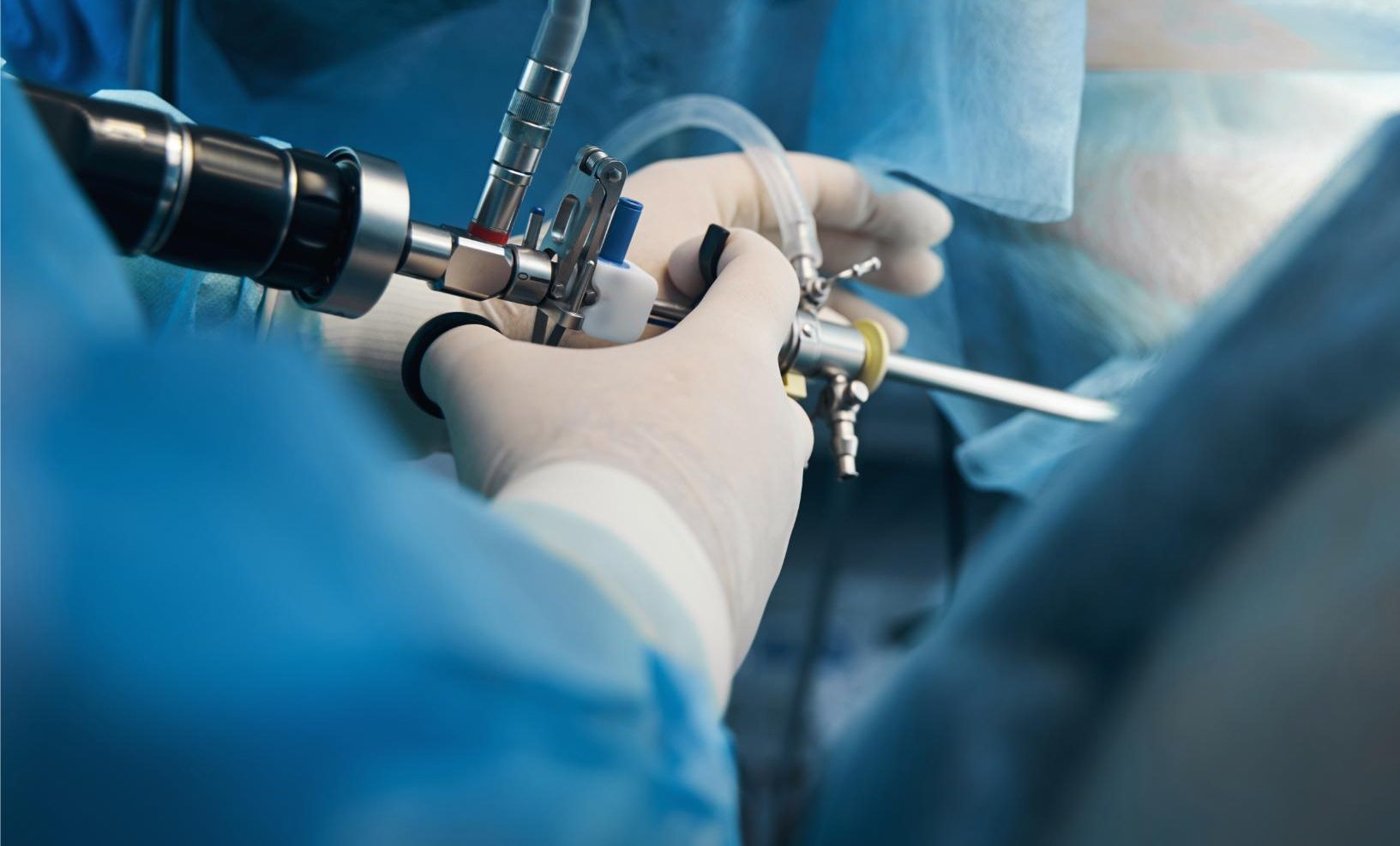
Not everyone with haemorrhoids needs a colonoscopy.
However, a colonoscopy may be recommended if your doctor needs to investigate rectal bleeding further, if you have other concerning bowel symptoms, or if colorectal cancer screening is appropriate for you.
The important point is to establish that bleeding is actually coming from haemorrhoids rather than assuming that piles are the cause.
Fibre-rich foods include vegetables, fruits, wholegrains, beans and legumes.
Fibre supplements or stool-softening treatments may also be helpful for some people.
For mild symptoms, measures such as a warm sitz bath may help relieve discomfort.
Over-the-counter creams, ointments or suppositories may provide temporary relief from itching, swelling or pain. These treatments are generally intended for short-term symptom relief rather than addressing the underlying bowel habits that may be contributing to haemorrhoids.
If symptoms persist despite self-care, speak to a healthcare professional rather than continuing treatment indefinitely.
If constipation is contributing to your haemorrhoids, addressing it is an important part of treatment.
Depending on your symptoms, this may involve adjusting fibre and fluid intake, changing toilet habits or using appropriate medication to make stools easier to pass.
If haemorrhoids continue to bleed or prolapse despite conservative treatment, a minor procedure may sometimes be considered.
One commonly used option for internal haemorrhoids is rubber band ligation, in which a small band is placed around the haemorrhoid to reduce its blood supply so that it shrinks.
Other non-surgical procedures may also be available depending on the type of haemorrhoid.
Most people with haemorrhoids do not require surgery.
Surgical treatment is generally reserved for selected patients with larger or more troublesome haemorrhoids, significant prolapse, or symptoms that have not responded adequately to other treatments.
Your doctor can advise on the most appropriate approach based on your symptoms rather than assuming that a procedure or surgery is needed.
Treatment depends on your symptoms and the type and severity of the haemorrhoids.
For many people, treatment starts with improving bowel habits and reducing constipation and straining. Surgery is not necessary for most patients.
Improve your bowel habits
Keeping stools soft and easy to pass can reduce pressure on haemorrhoids and help prevent symptoms from returning.
You may be advised to:

If you have persistent upper digestive symptoms or have been advised to undergo a gastroscopy, a gastroenterologist can assess your symptoms and advise whether the procedure is appropriate for you.
Dr Amitabh Monga
Senior Consultant Gastroenterologist
Mild haemorrhoid symptoms can improve with time, particularly when constipation and straining are addressed.
Improving bowel habits, keeping stools soft and avoiding prolonged straining can also help reduce the likelihood of symptoms returning.
No. Haemorrhoids commonly cause bright-red rectal bleeding, but other conditions can also cause blood in or around the stool.
If bleeding is new, persistent or accompanied by a change in bowel habits, unexplained weight loss, abdominal symptoms or other concerns, speak to a doctor rather than assuming it is caused by piles.
Foods containing fibre can help keep stools softer and easier to pass. These include fruits, vegetables, wholegrains, beans and legumes.
Increase fibre gradually and maintain adequate fluid intake unless you have been advised to restrict fluids. The aim is to make bowel movements easier and reduce straining.
No. Most haemorrhoids do not require surgery.
Many can be managed with dietary changes, better bowel habits, treatment of constipation and short-term measures to relieve symptoms. If these approaches do not help, minimally invasive treatments may be considered before surgery depending on the type and severity of the haemorrhoids.
Haemorrhoids are common and can often be managed without surgery. If bleeding, discomfort or swelling persists, an assessment can help confirm the cause and determine the most appropriate treatment.