
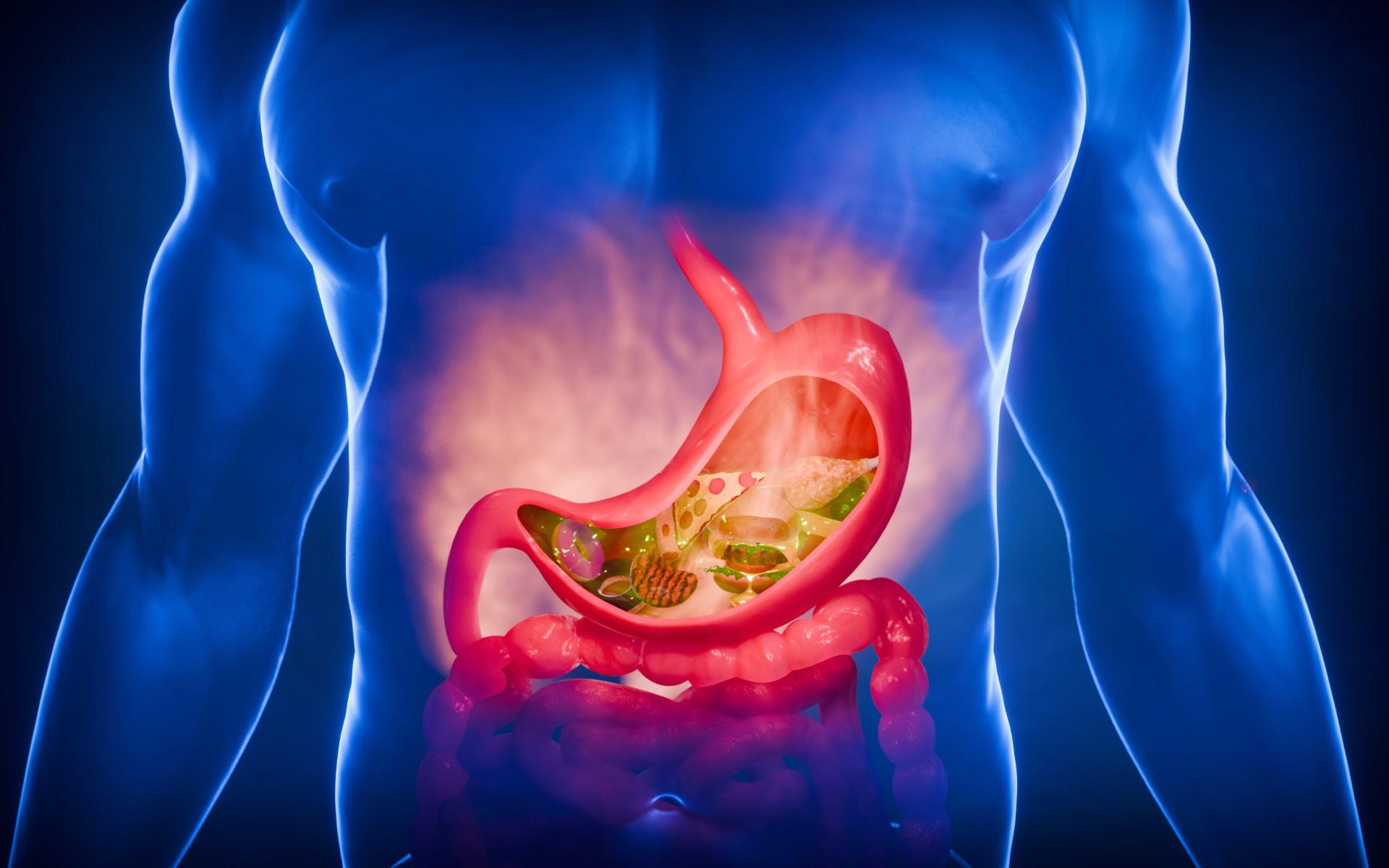
Acid reflux happens when the contents of your stomach flow back up into the oesophagus (food pipe). This can cause a burning sensation in the chest, known as heartburn, as well as a sour or bitter taste in the mouth.
Occasional acid reflux is common, particularly after a large meal. When reflux happens frequently, causes troublesome symptoms or leads to complications, it may be known as gastroesophageal reflux disease (GERD).
GERD can affect your comfort during and after meals, disrupt sleep and, for some people, cause symptoms such as a persistent cough or throat irritation. With appropriate assessment and management, symptoms can often be controlled effectively.
Concerned about frequent heartburn or acid reflux?

Speak to a doctor if you experience:
Chest pain should not automatically be assumed to be caused by acid reflux. New, severe or unexplained chest pain, particularly when accompanied by shortness of breath, sweating, dizziness or pain spreading to the arm, jaw or back, requires urgent medical assessment.
GERD can feel different from person to person. Some people experience the typical burning sensation of heartburn, while others may notice symptoms involving their throat or swallowing.
You may experience:

Between the oesophagus and stomach is a ring of muscle called the lower oesophageal sphincter (LOS). It normally opens to allow food into the stomach and then closes.
Acid reflux can occur when this muscle relaxes when it should not or does not close effectively, allowing stomach contents to travel back into the oesophagus.
Several factors may make reflux more likely or worsen symptoms, including:
GERD can often be assessed based on your symptoms and medical history. Your gastroenterologist may ask how often your symptoms occur, what seems to trigger them, whether they affect your sleep or meals, and whether you have any warning signs.
Depending on your symptoms, further investigations may be recommended.
A gastroscopy uses a thin, flexible tube with a camera to examine the oesophagus, stomach and the first part of the small intestine.
It can help your doctor look for inflammation or damage to the oesophagus and identify other possible causes of your symptoms.
Reflux monitoring measures how often stomach contents travel back into the oesophagus over a period of time. It may be recommended when the diagnosis is unclear or when symptoms continue despite treatment.
Oesophageal manometry measures how well the muscles of the oesophagus work when you swallow. It may be used when swallowing problems are present or before certain treatments for reflux are considered.
Not everyone with acid reflux will need these tests. Your doctor will recommend investigations based on your symptoms, medical history and response to treatment.
Treatment depends on how often you experience reflux, how severe your symptoms are and whether there are complications. For many people, a combination of lifestyle changes and medication can help keep symptoms under control.



Most people with GERD do not require surgery. However, anti-reflux procedures or surgery may be considered for selected patients when symptoms remain troublesome despite appropriate treatment, or where there is a structural problem contributing to reflux.
Your gastroenterologist can discuss whether further evaluation or treatment is appropriate for you.
Seek medical attention promptly if you have:
Occasional heartburn may improve with simple lifestyle measures or short-term treatment.
Seek urgent medical attention for new or severe chest pain, particularly if it occurs with shortness of breath, sweating, dizziness or pain spreading to your arm, jaw or back.

If you have persistent upper digestive symptoms or have been advised to undergo a gastroscopy, a gastroenterologist can assess your symptoms and advise whether the procedure is appropriate for you.
Dr Amitabh Monga
Senior Consultant Gastroenterologist
Triggers vary between individuals. Some people notice symptoms after spicy or fatty foods, chocolate, coffee, alcohol or large meals. Instead of avoiding all of these foods automatically, it can be useful to observe whether particular foods consistently trigger your symptoms.
Occasional reflux may settle with changes to eating habits or lifestyle. GERD, however, can be a recurring or long-term condition. If your symptoms keep returning or you regularly rely on medication for relief, it may be helpful to speak to a doctor about appropriate management.
Not everyone with acid reflux needs a gastroscopy. Your doctor may recommend one if you have certain symptoms, such as difficulty swallowing or gastrointestinal bleeding, or if your symptoms do not improve as expected. A gastroscopy can also help assess the oesophagus for inflammation or other conditions.
If reflux symptoms are frequent, persistent or affecting your daily life, consider speaking to a gastroenterologist for an assessment.