
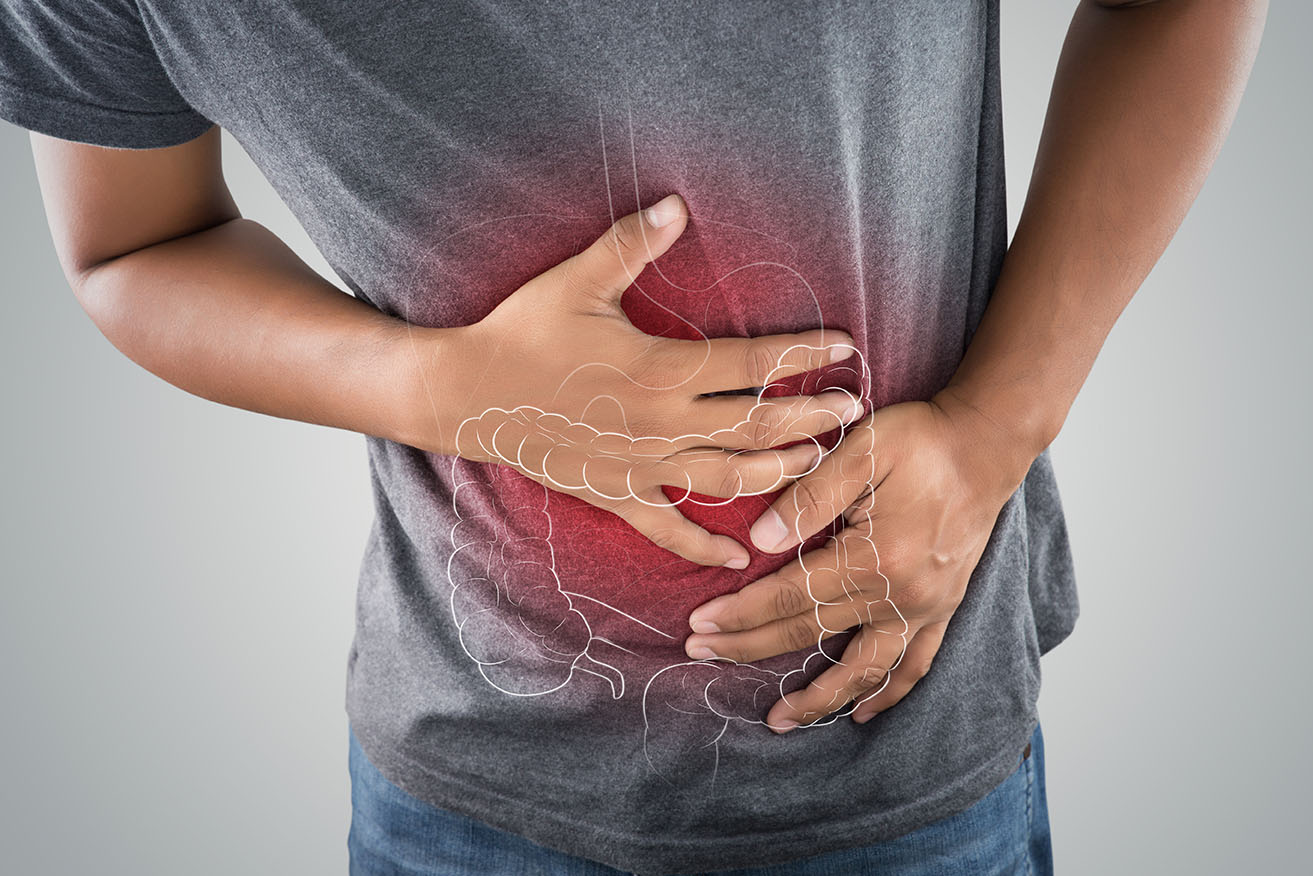
Inflammatory bowel disease (IBD) refers to a group of long-term conditions that cause inflammation in the digestive tract. The two main types are Crohn’s disease and ulcerative colitis.
IBD can cause symptoms such as persistent diarrhoea, abdominal pain, blood in the stools, tiredness and unintended weight loss. Symptoms may come and go, with periods when the condition is active, known as flares, and periods when symptoms improve or disappear, known as remission.
In Singapore, IBD is becoming increasingly recognised. SingHealth estimated in 2024 that around 3,000 people in Singapore are living with IBD, with the condition most commonly diagnosed between the ages of 16 and 40. Reported prevalence rates have reached approximately 15 per 100,000 people for ulcerative colitis and 7.2 per 100,000 people for Crohn’s disease.
IBD is a long-term condition, but treatment can help control inflammation, manage symptoms and reduce the risk of complications. Many people with IBD are able to continue leading active and fulfilling lives.
Experiencing persistent changes in your bowel habits or blood in your stools?
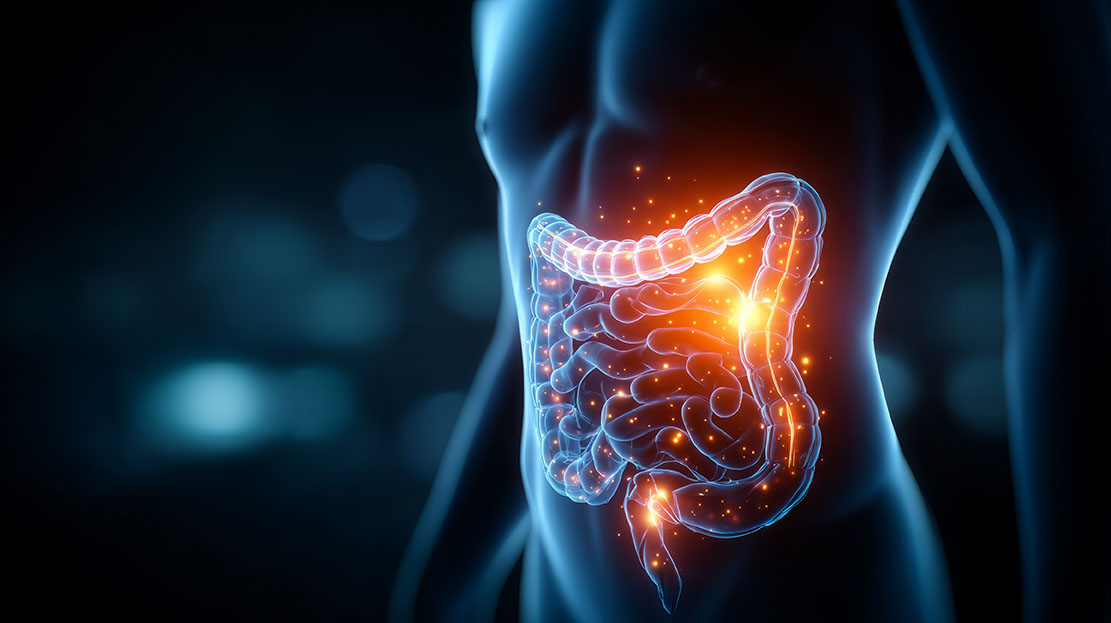
Although Crohn’s disease and ulcerative colitis can cause similar symptoms, they affect the digestive system differently.
Crohn’s disease can affect any part of the digestive tract, from the mouth to the anus, although it commonly affects the end of the small intestine and the beginning of the large intestine.
Inflammation can occur in patches and may extend through several layers of the bowel wall.
Ulcerative colitis affects the large intestine (colon) and rectum. Inflammation occurs in the inner lining of the bowel and usually begins at the rectum before extending further into the colon.
In some people, it affects only the rectum, while in others it may involve a larger part or all of the colon.
Seek medical attention if you experience:
Symptoms vary depending on which part of the digestive tract is affected and how active the inflammation is.
IBD may cause:
Some people experience relatively mild symptoms, while others may have periods of more active disease.
IBD can sometimes affect other parts of the body. These are known as extraintestinal manifestations and may include:
These symptoms can sometimes occur alongside a bowel flare, although this is not always the case.
The exact cause of IBD is not fully understood.
Current evidence suggests that it develops through a combination of the immune system, genetics, gut microbiome and environmental factors.
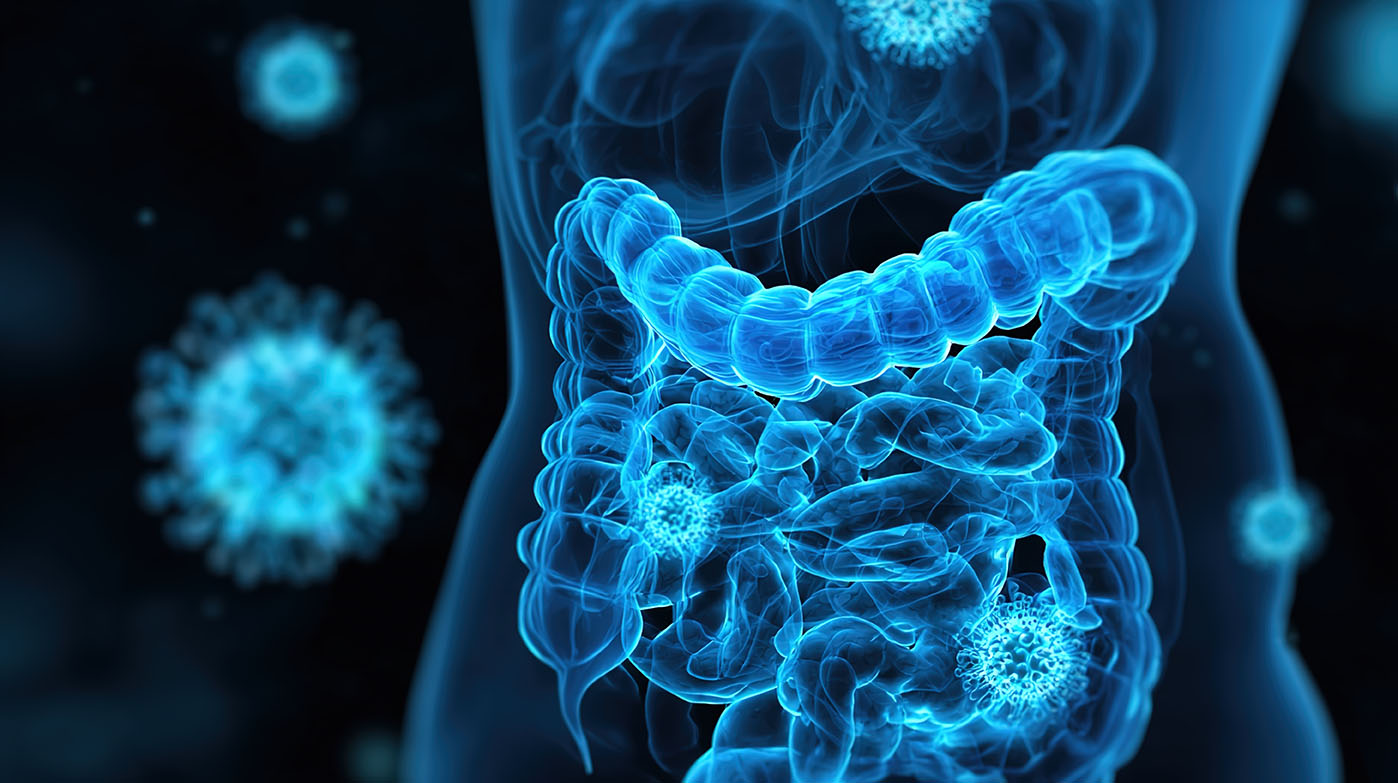
Normally, the immune system helps protect the body against infection.
In IBD, an inappropriate immune response contributes to ongoing inflammation in the digestive tract.

IBD can run in families. Having a close relative with Crohn’s disease or ulcerative colitis may increase your likelihood of developing IBD.
However, many people diagnosed with IBD have no family history of the condition.

The digestive system contains trillions of microorganisms collectively known as the gut microbiome.
Researchers believe that differences in how the immune system interacts with these microorganisms may play a role in IBD, although this relationship is complex and still being studied.

Environmental factors may also influence the development or course of IBD.
Smoking is particularly important in Crohn’s disease, where it is associated with poorer outcomes and can increase the likelihood of disease complications.
IBD is not caused simply by eating the wrong foods or by stress. However, certain foods or stressful periods may make symptoms more noticeable for some people who already have the condition.
Further tests are usually required to confirm whether inflammation is present and determine where it is occurring.
Blood tests may help check for:
Markers such as C-reactive protein (CRP) can sometimes help assess inflammation.
Stool samples may be used to rule out intestinal infections and look for signs of inflammation.
A test called faecal calprotectin measures a protein associated with inflammation in the intestine. It can help doctors distinguish inflammatory bowel conditions from non-inflammatory conditions such as IBS and may also be used to monitor known IBD.
A colonoscopy allows your gastroenterologist to examine the inside of the colon and the end of the small intestine using a thin, flexible tube with a camera.
Small tissue samples called biopsies can be taken during the procedure and examined under a microscope.
Colonoscopy and biopsies are important in diagnosing and assessing IBD.
A gastroscopy may sometimes be recommended, particularly if Crohn's disease involving the upper digestive tract is suspected.
CT or MRI scans may be used to examine areas of the small intestine that cannot be fully assessed with a standard colonoscopy and to look for complications of Crohn's disease.
In selected patients, video capsule endoscopy may be used to examine the small intestine.
You swallow a small capsule containing a camera, which takes images as it travels through the digestive tract.
It is not suitable for everyone, particularly if narrowing of the intestine is suspected, so your gastroenterologist will assess whether this test is appropriate.
There is no single test that diagnoses every case of IBD.
Your gastroenterologist will usually begin by asking about your symptoms, how long they have been present, your bowel habits, medical and family history, medications and any recent infections or travel.
Treatment is individualised according to whether you have Crohn’s disease or ulcerative colitis, which parts of the digestive tract are affected, the severity of the inflammation and how you have responded to previous treatments.
The main goals are to control inflammation, achieve and maintain remission, improve quality of life and prevent complications.

Different medicines may be used depending on the type and severity of IBD.
These can include:
The appropriate medication varies considerably between patients. Your gastroenterologist will discuss the benefits, risks and monitoring requirements of treatment with you.
Corticosteroids are generally used to control a flare rather than as a long-term maintenance treatment.
There is no single IBD diet that works for everyone.
During a flare, certain foods may make symptoms more difficult to manage, and some people with IBD can develop nutritional deficiencies because of reduced intake or poor absorption.
Depending on your condition, you may be advised on:
Avoid unnecessarily restrictive diets unless advised by your healthcare team.

Living well with IBD also involves looking after your overall health.
Depending on your situation, this may include:
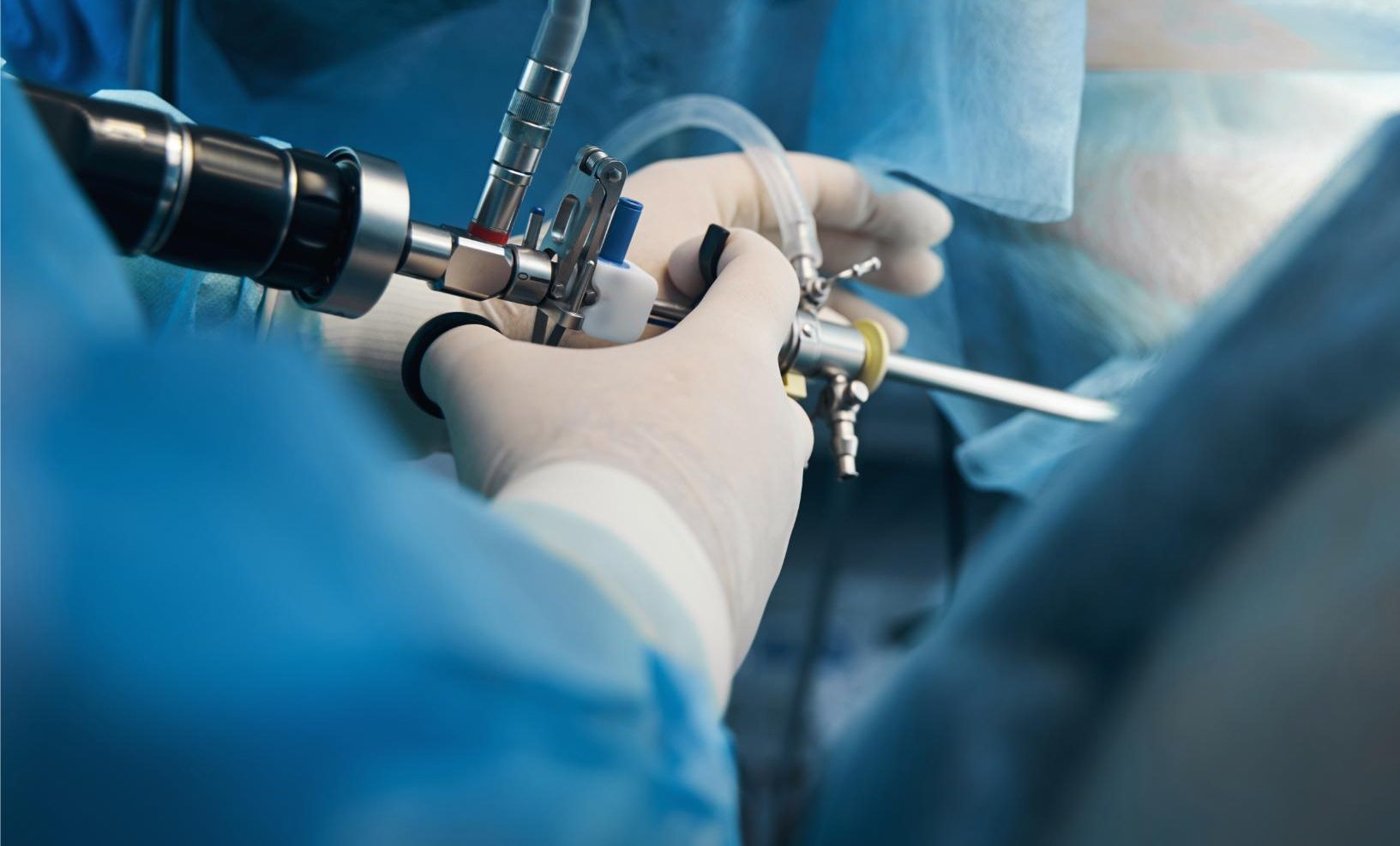
Some people with IBD eventually require surgery, particularly when medication does not adequately control the disease or complications develop.
Surgery may be required to treat problems such as severe inflammation, narrowing or blockage of the intestine, fistulas, abscesses or significant bleeding.
Surgery for ulcerative colitis can involve removing the colon and rectum and can eliminate the intestinal disease. In Crohn’s disease, surgery can treat affected sections or complications, but inflammation can develop elsewhere in the digestive tract later.

If you have persistent upper digestive symptoms or have been advised to undergo a gastroscopy, a gastroenterologist can assess your symptoms and advise whether the procedure is appropriate for you.
Dr Amitabh Monga
Senior Consultant Gastroenterologist
Although the names sound similar, irritable bowel syndrome (IBS) and inflammatory bowel disease (IBD) are different conditions.
IBS affects how the gut functions and can cause abdominal pain, bloating, constipation and diarrhoea, but it does not cause the ongoing intestinal inflammation seen in IBD.
IBD which mainly includes Crohn's disease and ulcerative colitis causes inflammation that can be seen during investigations and can lead to damage or complications in the digestive tract.
There is currently no medical cure for Crohn's disease, but treatment can control inflammation and help maintain long periods of remission.
Ulcerative colitis is also usually managed as a long-term condition. Surgery to remove the colon and rectum can eliminate the intestinal disease, although this is a major treatment decision and is not necessary for everyone.
The aim of treatment is to control inflammation, minimise symptoms and help you maintain a good quality of life.
There is no single diet recommended for everyone with IBD. What you tolerate may also change depending on whether your disease is active or in remission.
Rather than eliminating large groups of foods on your own, speak to your gastroenterologist or dietitian if eating has become difficult or you are concerned about maintaining adequate nutrition.
Long-term inflammation of the colon from Crohn's disease or ulcerative colitis can increase the risk of colorectal cancer, particularly when a larger portion of the colon is affected or the disease has been present for many years.
This does not mean that everyone with IBD will develop colorectal cancer. Regular follow-up and appropriately timed surveillance colonoscopies can help identify precancerous changes early.
Blood in the stools, persistent diarrhoea, recurring abdominal pain or unexplained weight loss should not be ignored. An assessment can help identify the cause and determine whether further investigation is needed.