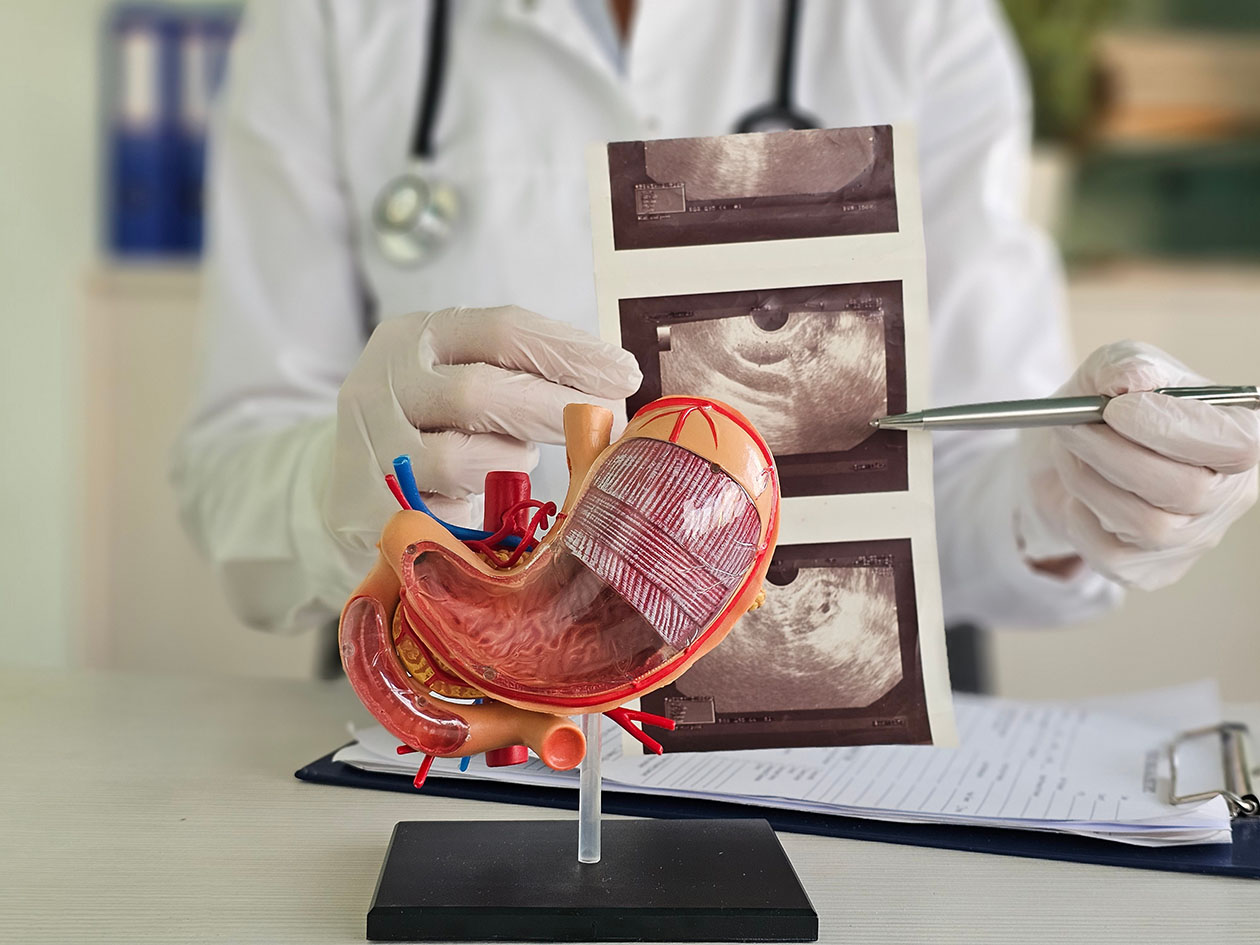
Endoscopic Ultrasound (EUS) is a procedure that combines endoscopy with high-resolution ultrasound to obtain detailed images of the digestive tract and nearby organs.
A thin, flexible tube called an endoscope is passed through the mouth and into the oesophagus, stomach and first part of the small intestine. An ultrasound probe at the tip of the endoscope uses sound waves to create detailed images from inside the body.
Because the ultrasound probe can be positioned close to structures such as the pancreas, bile ducts and gallbladder, EUS can provide detailed information that may not always be available from a standard endoscopy or external ultrasound alone.
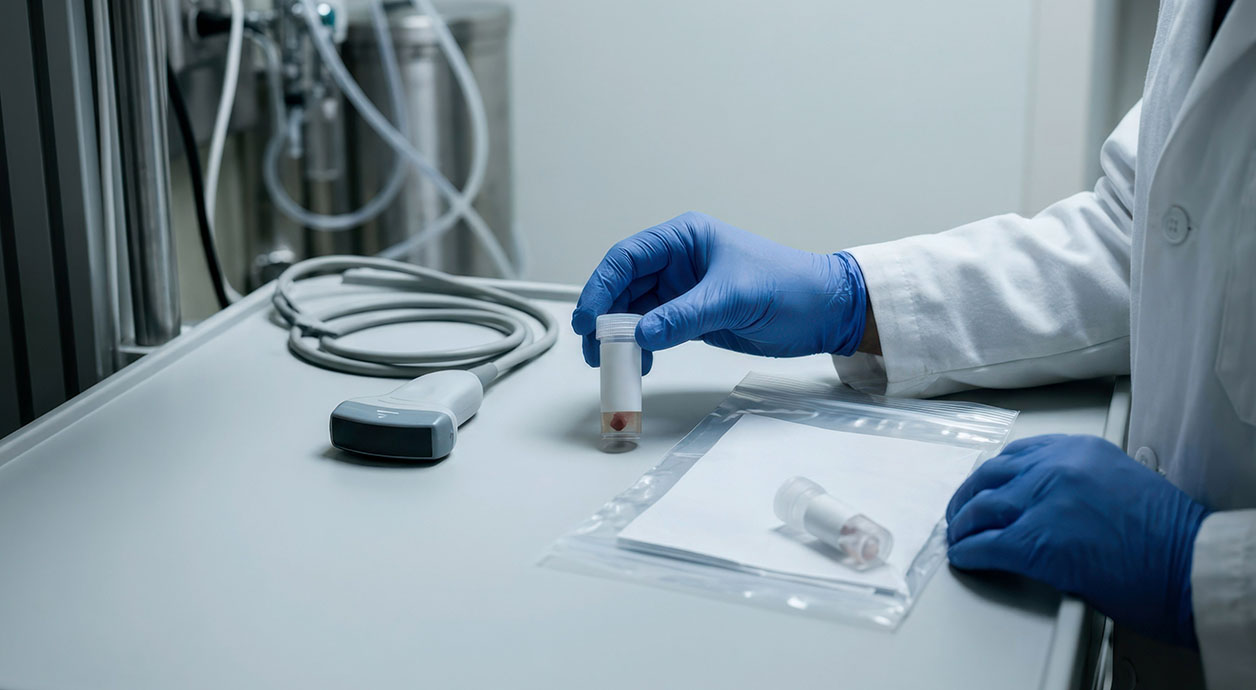
EUS can also be used to examine abnormalities within or next to the digestive tract and, when necessary, obtain tissue or fluid samples for further testing.
The procedure is usually performed with sedation.
If you have been advised to undergo an Endoscopic Ultrasound (EUS), our team can help coordinate the procedure with our experienced associate specialists to ensure continuity of your care.
Also known as: EUS
Common reasons include:
EUS is not required for every pancreatic, biliary or gastrointestinal condition. Your doctor will consider your symptoms and previous test results before deciding whether it is appropriate.
Your doctor may recommend EUS when more detailed assessment of the pancreas, bile ducts, gallbladder or structures surrounding the digestive tract is required.
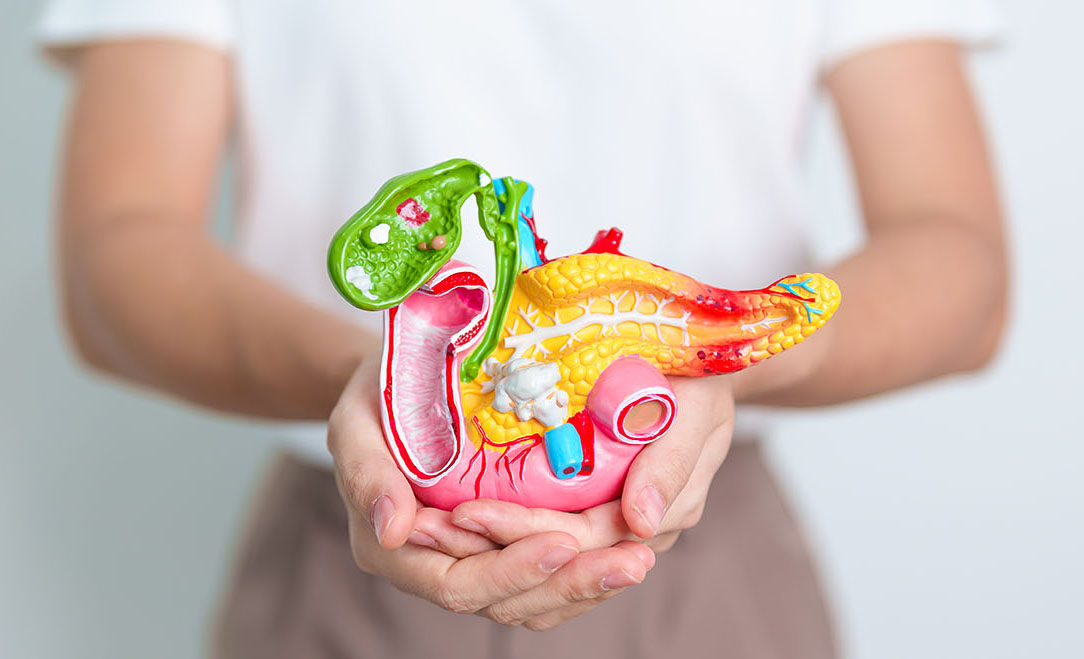
The pancreas lies behind the stomach, which can make it difficult to assess fully using some conventional investigations.
With EUS, the ultrasound probe can be positioned within the stomach or duodenum, close to the pancreas.
This can provide detailed images when investigating:
If an abnormal area requires further investigation, EUS may also allow a tissue or fluid sample to be obtained.
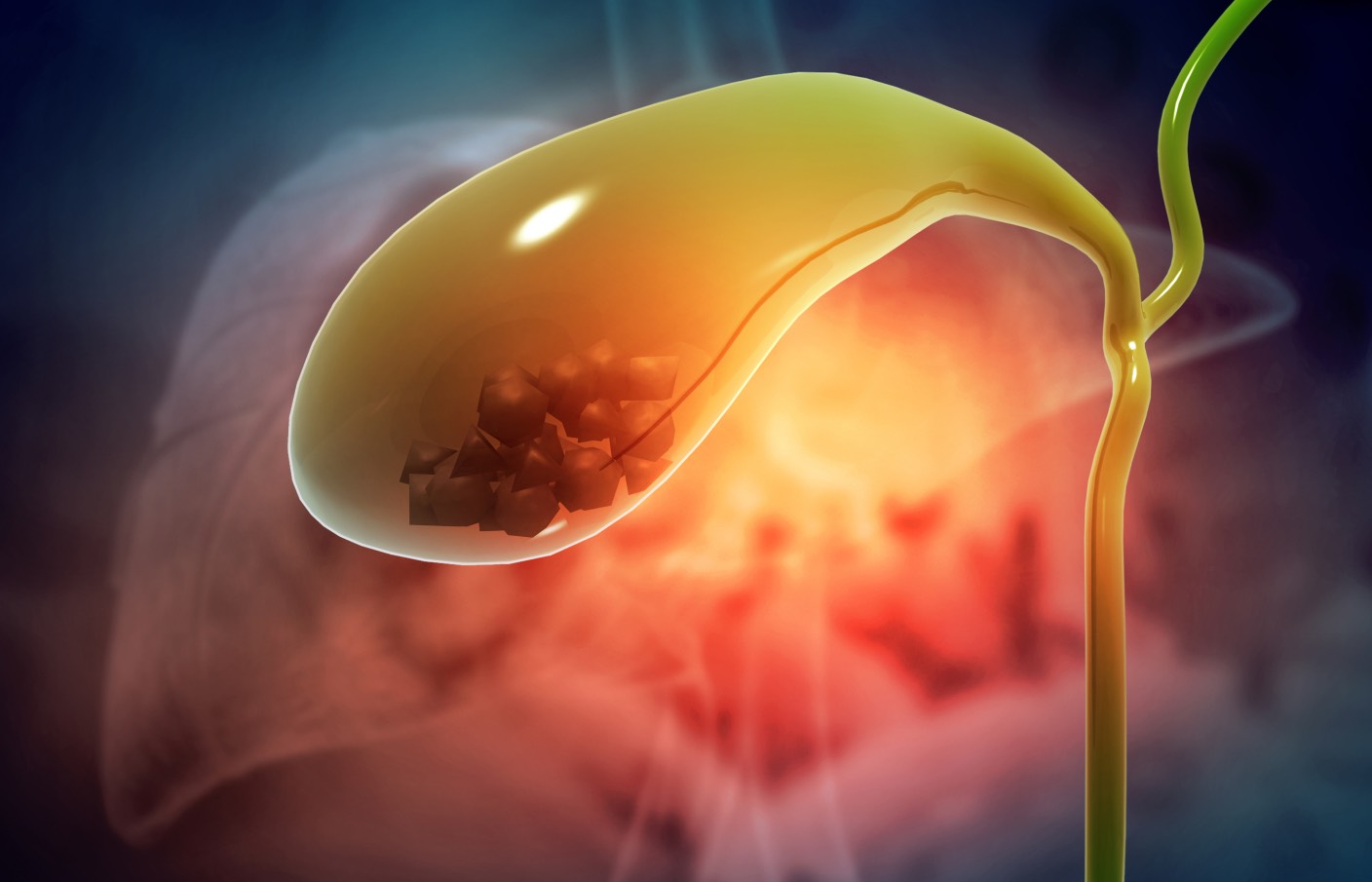
EUS can provide detailed images of the gallbladder and bile ducts.
It may be useful when investigating:
If a bile duct stone or obstruction requiring treatment is identified, a separate procedure such as ERCP may be recommended.
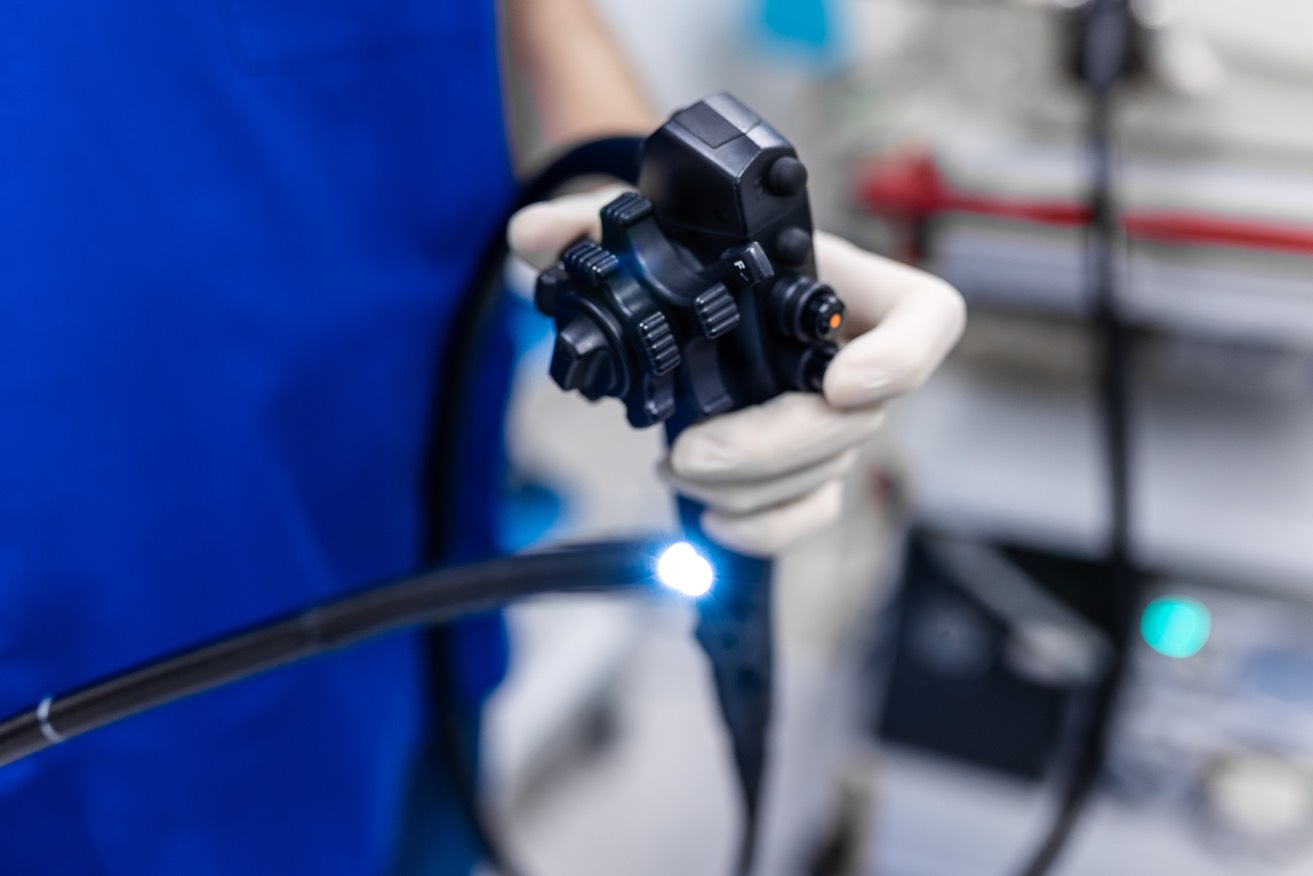
EUS can examine the different layers of the digestive tract wall and nearby structures.
This can be useful for assessing certain:
EUS may also be used as part of the assessment of certain cancers to determine how deeply an abnormality extends or whether nearby structures are involved.
This may allow your doctor to:
Your doctor will determine whether EUS adds useful information based on the results of your previous investigations.
This is a common question.
CT, MRI, abdominal ultrasound and EUS provide different types of information, and one does not necessarily replace the others.
An external abdominal ultrasound sends sound waves through the skin. CT and MRI provide cross-sectional images of the abdomen.
With EUS, the ultrasound probe is placed inside the digestive tract, allowing it to get very close to organs such as the pancreas and bile ducts.
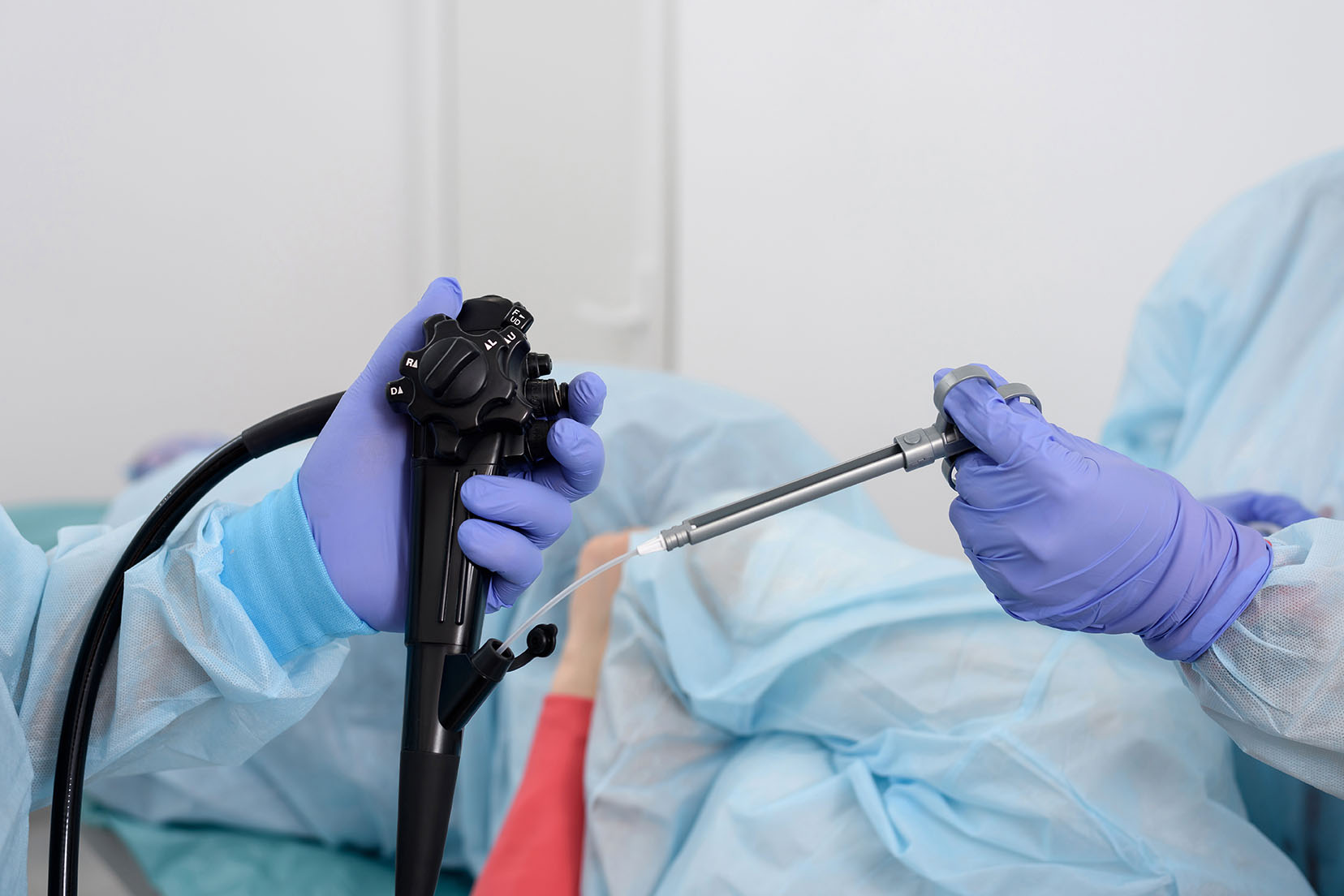
Before the procedure, the healthcare team will review your medical history and explain what to expect.
EUS is usually performed with sedation to help you remain relaxed and comfortable.
During the procedure:
The length of the procedure varies depending on what needs to be examined and whether tissue sampling or another intervention is performed.
You should allow additional time for registration, preparation and recovery from sedation.

EUS is usually performed with sedation to help you remain comfortable.
As with a gastroscopy, the endoscope passes through the mouth and oesophagus. You may experience temporary throat discomfort, bloating or mild nausea afterwards.
If tissue or fluid sampling is performed, this is carried out internally under ultrasound guidance while you are sedated.
Your healthcare team will monitor you throughout the procedure.
You will need to fast before EUS so that the stomach and upper digestive tract are empty. You will be provided specific instructions about when to stop eating and drinking based on the timing and type of procedure.
Follow these instructions carefully.
Tell Your Doctor About Your Medications
Before the procedure, tell your doctor about all medications and supplements you take, particularly:
This is particularly important if EUS-guided tissue sampling may be performed.
Do not stop prescribed medications on your own. Your doctor will advise whether any changes are needed.
You should also tell your doctor if you:
If you receive sedation, arrange for someone to accompany you home after the procedure. You should not drive, operate machinery or make important decisions until the effects of sedation have worn off, according to the instructions provided by your healthcare team.

After the procedure, you will be monitored in a recovery area until you are sufficiently alert and the effects of sedation have reduced.
Temporary symptoms may include:
These generally settle.
Your doctor may be able to discuss the initial findings with you after the procedure.
If tissue or fluid samples were taken, these need to be analysed by a laboratory and the final results will be available later.
Before you leave, your healthcare team will provide instructions about eating, drinking, medications and activities following the procedure.

EUS is commonly performed and serious complications are uncommon. However, as with any endoscopic procedure, there are potential risks.
These can include:
If EUS-guided tissue or fluid sampling is performed, there may be additional risks depending on the organ and type of abnormality being sampled.
For example, sampling or intervention involving the pancreas can carry a risk of pancreatitis.
Your doctor will explain the risks relevant to your specific procedure before EUS is performed.
Although both procedures use an endoscope and can be used when investigating pancreatic and biliary conditions, they have different purposes.
EUS is mainly used to examine and diagnose conditions.
It can:
In some situations, EUS may first be used to clarify whether a bile duct stone or another abnormality is present before deciding whether ERCP is necessary.
Your doctor will recommend the appropriate procedure based on what needs to be investigated or treated.
ERCP is mainly used to treat problems affecting the bile and pancreatic ducts.
For example, ERCP may be used to:
In some situations, EUS may first be used to clarify whether a bile duct stone or another abnormality is present before deciding whether ERCP is necessary.
Your doctor will recommend the appropriate procedure based on what needs to be investigated or treated.

If you have persistent upper digestive symptoms or have been advised to undergo a gastroscopy, a gastroenterologist can assess your symptoms and advise whether the procedure is appropriate for you.
Dr Amitabh Monga
Senior Consultant Gastroenterologist
No, although the procedures have similarities.
Both involve passing an endoscope through the mouth into the upper digestive tract. However, EUS has an ultrasound probe at the tip of the endoscope, allowing your doctor to examine structures within and beyond the digestive tract wall.
A standard gastroscopy is mainly used to directly examine the lining of the oesophagus, stomach and duodenum.
CT, MRI and EUS provide different types of information.
Because the EUS probe can be positioned very close to the pancreas, bile ducts and surrounding structures, it may provide additional detail about an abnormality seen on another scan.
EUS can also allow tissue or fluid samples to be obtained when necessary.
No.
EUS is used to investigate many non-cancerous conditions, including pancreatic cysts, pancreatitis, bile duct stones and other abnormalities.
It can also be used to assess certain tumours or obtain tissue samples when an abnormality requires further investigation.
The reason for recommending EUS depends on your individual findings.
EUS is primarily used to identify and assess bile duct stones rather than remove them.
If a stone needs to be removed from the common bile duct, your doctor may recommend ERCP, which allows treatment to be performed within the bile duct.
EUS provides detailed images of the digestive tract and nearby organs, particularly the pancreas and bile ducts. It can also allow tissue or fluid samples to be obtained when further investigation is required.
If you have an abnormal scan, pancreatic or biliary condition, or have been advised to undergo EUS, speak to our team about the appropriate next steps.