

Irritable bowel syndrome (IBS) is a common digestive condition that can cause recurring abdominal pain together with changes in bowel habits, such as diarrhoea, constipation or a combination of both.
Although IBS can be uncomfortable and sometimes disruptive to everyday life, it does not cause visible damage to the digestive tract and does not increase your risk of colorectal cancer.
Symptoms can come and go over time, and different people may experience IBS differently. Identifying your main symptoms and triggers can help guide a management plan that works for you.
Experiencing recurring abdominal pain or changes in your bowel habits?
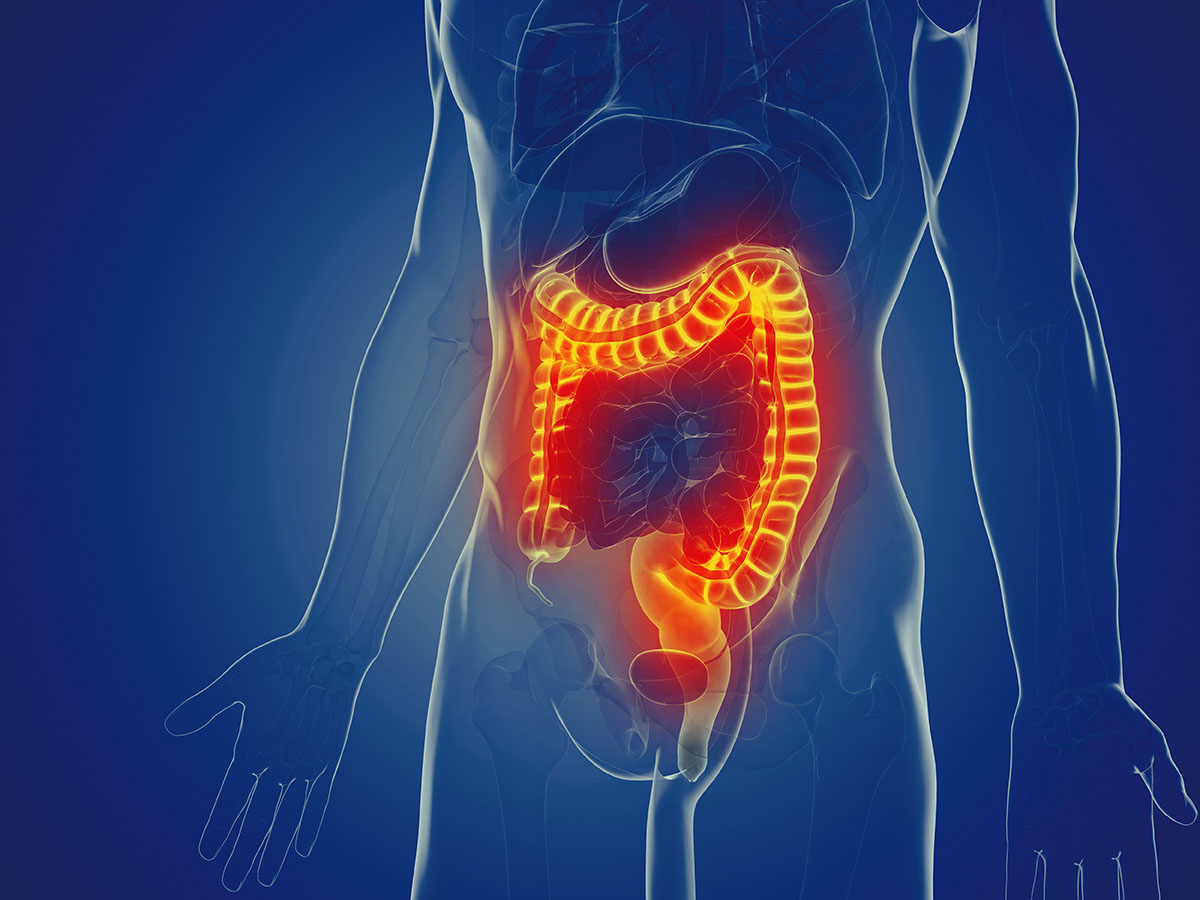
Remember that IBS is in itself a benign problem that never turns into any form of cancer. But IBS symptoms can masquerade a variety of other gastrointestinal diseases. It is always better to see your doctor if there are doubts.
Some symptoms may suggest another digestive condition and should be assessed by a doctor. These include:
These symptoms do not necessarily mean that you have a serious condition, but further investigation may be needed to understand what is causing them.
IBS symptoms vary from person to person. They may be mild at times and more troublesome at others.
The main symptoms include:
Abdominal pain may improve or worsen after having a bowel movement.
Some people may also experience:
There is no single known cause of IBS. Instead, several factors may affect how the digestive system works and contribute to symptoms.
Food and waste may move through the digestive system too quickly or too slowly.
Faster movement can contribute to diarrhoea, while slower movement can contribute to constipation.
Some people develop IBS after an episode of gastroenteritis or food poisoning. This is known as post-infectious IBS.
Certain foods can trigger or worsen symptoms in some people. These triggers differ between individuals and do not necessarily mean that you have a food allergy.
Stress does not mean that IBS is “all in your head”. However, because the brain and digestive system are closely connected, emotional stress can influence gut sensitivity and bowel function and may worsen symptoms in some people.
Similarly, living with unpredictable digestive symptoms can itself be stressful.
Depending on your symptoms, tests may be recommended to rule out other conditions that can cause similar problems.
Blood tests may be used to check for anaemia, inflammation, coeliac disease or other conditions, depending on your symptoms.
A stool test may sometimes be recommended to look for infection, inflammation or other possible causes of diarrhoea.
Not everyone with IBS needs a colonoscopy.
A colonoscopy may be recommended if you have warning signs, if another bowel condition needs to be ruled out, or if you are due for colorectal cancer screening.
During a colonoscopy, a thin, flexible tube with a camera is used to examine the inside of the large intestine.
Normal test results do not mean that your symptoms are imaginary. IBS affects how the gut functions and senses signals rather than causing the type of structural damage that would necessarily appear during a scan or endoscopy.
There is no single test for IBS.
Your doctor will usually start by discussing your symptoms, bowel habits, medical history, diet and any factors that seem to make your symptoms better or worse.
IBS can often be diagnosed from a characteristic pattern of symptoms together with an appropriate medical assessment.
There is no single treatment that works for everyone with IBS.
Treatment is usually tailored to your main symptoms, whether that is constipation, diarrhoea, abdominal pain or bloating. You may need to try different approaches before finding what works best for you.

Depending on your symptoms, your doctor or dietitian may suggest:
A low-FODMAP diet temporarily reduces certain carbohydrates that are poorly absorbed in the intestine and can contribute to gas, bloating and changes in bowel habits.
Because the diet can be restrictive, it is best undertaken with guidance from a healthcare professional or dietitian rather than followed strictly over the long term.

Some people find that their symptoms improve with:
Keeping a diary of your meals, bowel movements and symptoms may also help identify patterns or triggers.

Medication may be recommended according to your symptoms.
This may include treatments for:
Some medicines can also help reduce the sensitivity of the nerves between the gut and brain. Your doctor can advise which treatment is appropriate based on your type of IBS and symptoms.

If you have persistent upper digestive symptoms or have been advised to undergo a gastroscopy, a gastroenterologist can assess your symptoms and advise whether the procedure is appropriate for you.
Dr Amitabh Monga
Senior Consultant Gastroenterologist
No. Despite their similar names, IBS and inflammatory bowel disease (IBD) are different conditions.
IBS affects how the gut functions and does not cause visible inflammation or damage to the intestine. IBD which includes Crohn's disease and ulcerative colitis involves ongoing inflammation that can damage the digestive tract.
There is no single list of foods that everyone with IBS needs to avoid. Triggers vary between individuals.
Some people may benefit from adjusting their fibre intake or temporarily following a low-FODMAP diet. Before significantly restricting your diet, consider speaking to a doctor or dietitian so that your diet remains nutritionally balanced.
Yes. Stress can influence communication between the brain and digestive system and may make IBS symptoms worse in some people. This does not mean that stress is the only cause of IBS or that the symptoms are psychological.
Managing stress may be one part of a broader IBS treatment plan alongside dietary, lifestyle and medical approaches.
Not necessarily. Many people with typical IBS symptoms can be diagnosed without a colonoscopy.
Your doctor may recommend a colonoscopy if there are warning signs such as rectal bleeding, unexplained weight loss or anaemia, if another bowel condition needs to be excluded, or if colorectal cancer screening is appropriate for you.
IBS can affect people differently. If recurring digestive symptoms are affecting your comfort or daily routine, an assessment can help identify your main symptoms, rule out other possible causes and develop a management plan suited to you.