

The liver is one of the body’s largest organs and plays an important role in processing nutrients, removing waste products, producing proteins and supporting digestion.
Liver disorders include a wide range of conditions that can cause fat accumulation, inflammation, scarring or changes in how the liver functions.
Common liver conditions include fatty liver disease, viral hepatitis and alcohol-related liver disease. Other conditions include autoimmune and inherited liver diseases. If liver damage continues over many years, some conditions can eventually lead to cirrhosis, where healthy liver tissue is replaced by scar tissue.
One challenge with liver disease is that there may be few or no symptoms in its early stages. Some people first discover a possible liver problem after abnormal liver blood tests or an ultrasound performed during a health screening.
Finding the underlying cause early can help determine whether treatment, lifestyle changes or ongoing monitoring are needed.
Concerned about an abnormal liver test or fatty liver?
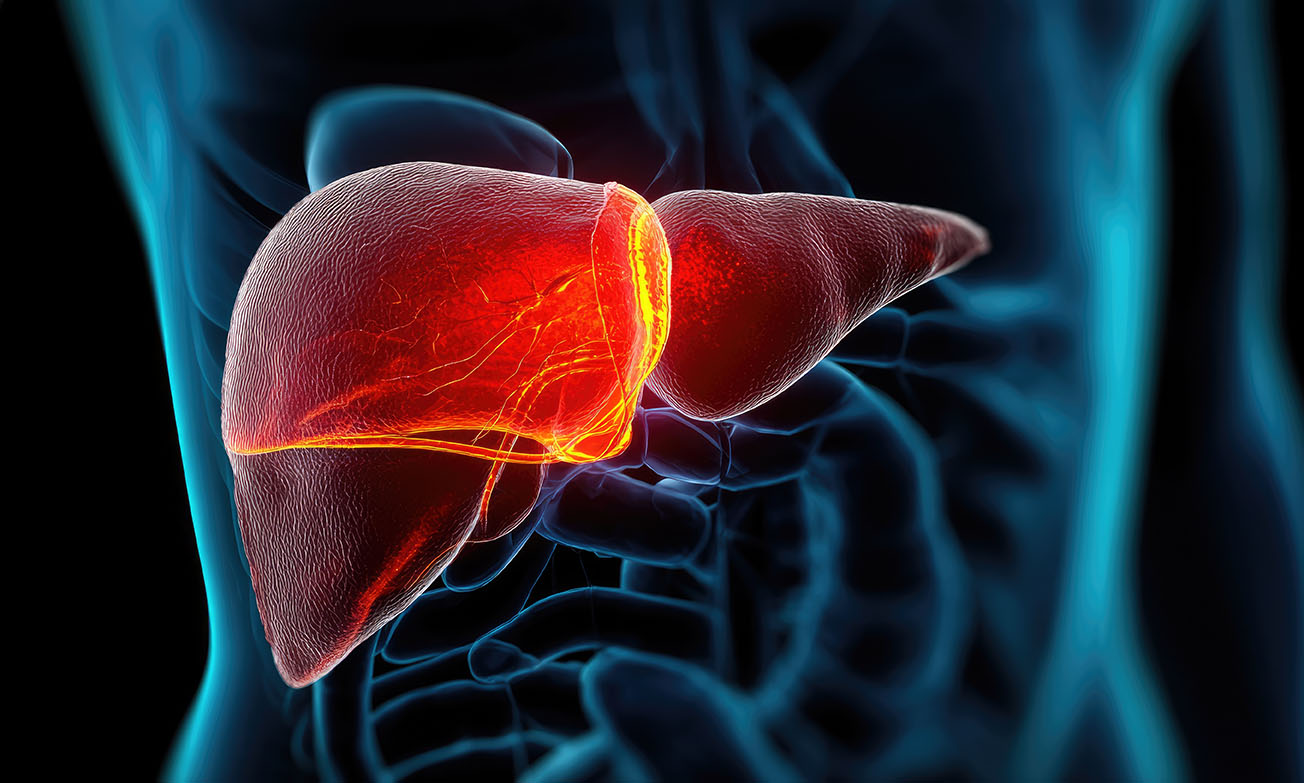
There are many different liver conditions. Some of the more commonly encountered include:

Fatty liver disease occurs when excess fat builds up in the liver.
It is commonly associated with metabolic conditions such as:
Most people with fatty liver have few or no symptoms, and the condition may first be discovered through a blood test or ultrasound.
In some people, fatty liver can be accompanied by inflammation and liver cell injury. Over time, this can lead to liver scarring and, in more advanced cases, cirrhosis.
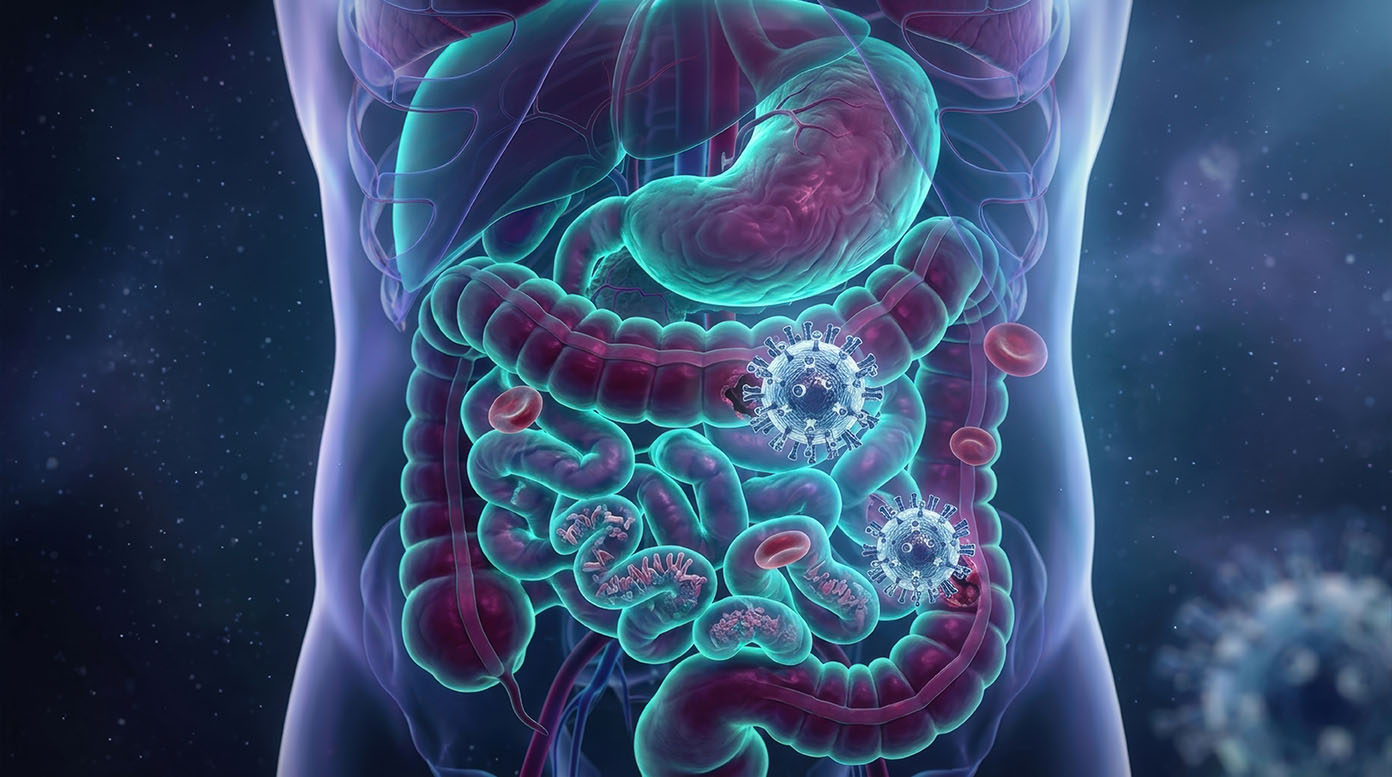
Hepatitis means inflammation of the liver. Several viruses can cause hepatitis.
Hepatitis B is particularly relevant in Singapore and other parts of Asia. Chronic hepatitis B infection can persist for many years without symptoms but may eventually lead to cirrhosis or liver cancer in some people.
Hepatitis C can also cause long-term liver inflammation and damage.
Blood tests can determine whether you have hepatitis B or C and whether further monitoring or treatment may be required.

Regular excessive alcohol consumption can damage the liver over time.
Alcohol-related liver disease can range from fatty changes in the liver to inflammation and, in more advanced cases, cirrhosis.
The amount of alcohol that can cause liver damage varies between individuals, and other health conditions can also influence a person’s risk.

In autoimmune liver diseases, the immune system mistakenly attacks the liver or bile ducts.
Examples include:
These conditions are less common but can cause ongoing inflammation and liver damage if left untreated.
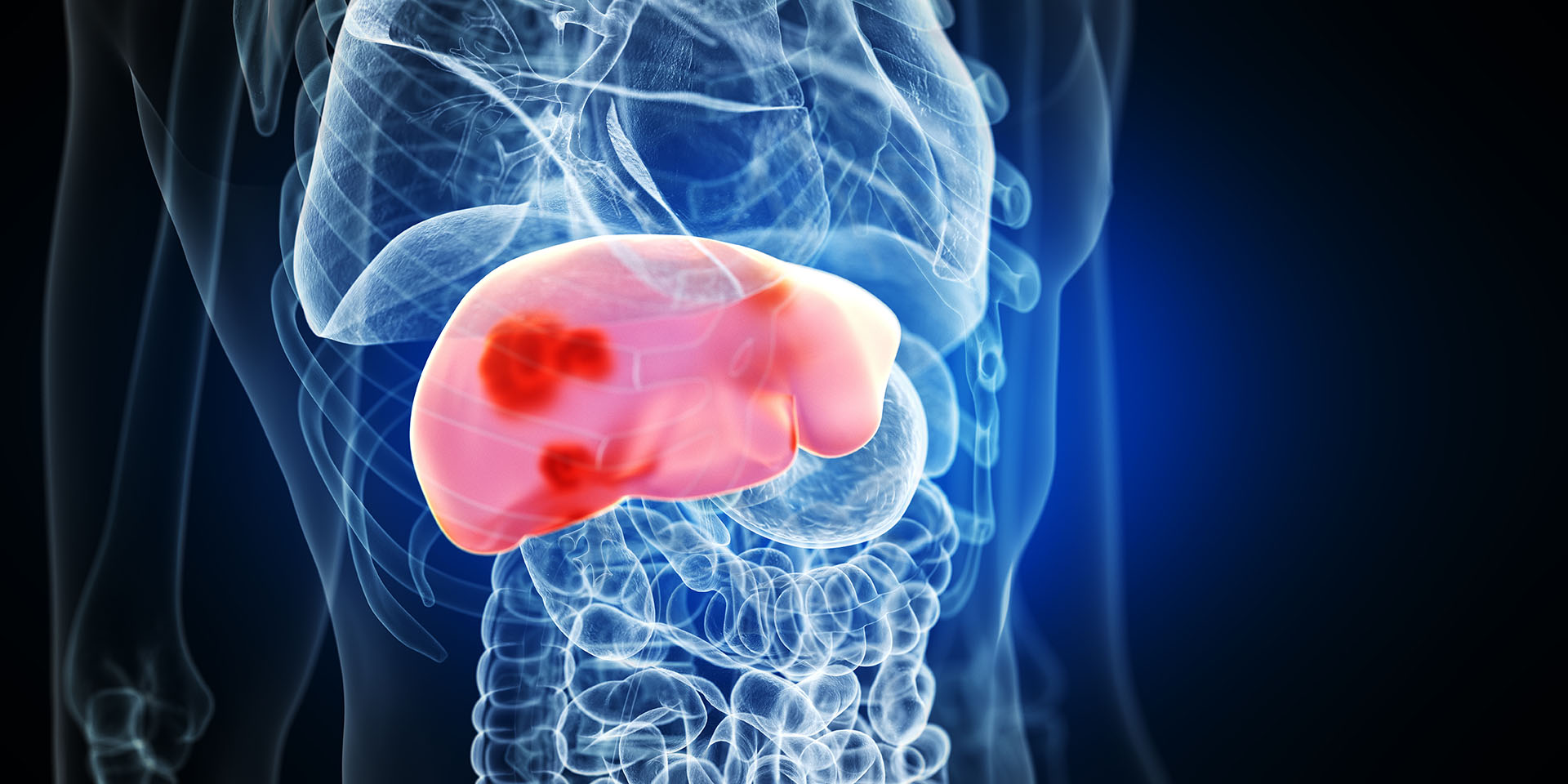
Cirrhosis is advanced scarring of the liver that can develop after long-term liver damage.
Possible causes include chronic hepatitis B or C, fatty liver disease, alcohol-related liver disease and certain autoimmune or inherited conditions.
Early cirrhosis may cause few or no symptoms. As liver function becomes more affected, complications can develop, which is why people with cirrhosis require regular medical follow-up.
More significant liver dysfunction may cause:
These symptoms should be medically assessed promptly.
Symptoms vary depending on the condition and how advanced it is.
Early liver disease
Many people have no symptoms at all.
When symptoms do occur, they may include:
These symptoms are not specific to liver disease and can have many other causes.

Different liver conditions have different causes.
Factors that may increase the likelihood of liver disease include:
Having one or more of these risk factors does not necessarily mean that you have liver disease.
Depending on the findings, investigations may include:
Blood tests can measure liver enzymes and other markers that provide information about liver inflammation and function.
Abnormal liver blood tests do not automatically mean that you have serious liver disease. The pattern of the results and the underlying cause need to be considered.
Blood tests may be performed to check for infections such as hepatitis B or hepatitis C.
An ultrasound of the liver may identify fatty changes or other abnormalities affecting the liver and surrounding organs.
CT or MRI scans may sometimes be recommended if more detailed imaging is required.
Non-invasive tests may be used to estimate whether there is significant liver fibrosis or scarring.
These may include calculations based on routine blood tests and liver elastography, which measures liver stiffness.
A liver biopsy involves taking a small sample of liver tissue for examination.
It is not required for everyone with liver disease. It may be recommended in selected situations when the diagnosis remains uncertain or when more information about inflammation or scarring is needed.
Liver disease is sometimes discovered unexpectedly through a health screening, blood test or scan.
Your doctor will usually review your medical history, medications and supplements, alcohol consumption, metabolic health and any family history of liver disease.
Treatment depends on the underlying cause and how much liver damage has occurred.
The aim is usually to treat or control the cause of liver injury and reduce the risk of further damage.

For people with fatty liver disease, treatment often focuses on improving overall metabolic health.
Depending on the individual, this may include:
Where weight loss is appropriate, gradual and sustained weight reduction can help reduce fat in the liver and improve overall metabolic health.

Treatment depends on the type of hepatitis and the individual patient’s condition.
Some people with chronic hepatitis B require antiviral medication, while others may need regular monitoring rather than immediate treatment.
Hepatitis C can be treated with antiviral medications that are highly effective for most people.

Reducing or stopping alcohol consumption is an important part of preventing further liver damage.
For people who have developed significant alcohol-related liver disease, complete abstinence may be recommended.

Autoimmune and other liver conditions may require specific medication or specialist treatment.
People who have developed significant liver fibrosis or cirrhosis may also require regular monitoring for complications.

There is no single “liver detox” that can prevent or reverse all liver diseases.
Instead, general measures that support liver health include:
Tell your doctor about any supplements, traditional medicines or herbal products you take, as some can cause liver injury or interact with medications.
These symptoms can occur with serious liver disease or its complications and require medical assessment.
Consider speaking to a doctor if:

If you have persistent upper digestive symptoms or have been advised to undergo a gastroscopy, a gastroenterologist can assess your symptoms and advise whether the procedure is appropriate for you.
Dr Amitabh Monga
Senior Consultant Gastroenterologist
Not everyone with fatty liver will develop serious liver disease. Many people have fat in the liver without significant inflammation or scarring.
However, some people can develop ongoing liver inflammation and progressive scarring over time. Your individual risk depends on factors such as your metabolic health and whether liver scarring is present.
An assessment can help determine whether lifestyle measures and monitoring are sufficient or whether further investigation is needed.
Yes. Many liver conditions, including fatty liver, chronic hepatitis B and early stages of liver scarring, can cause few or no noticeable symptoms.
This is why abnormal liver blood tests or imaging findings should be assessed even when you otherwise feel well.
Fat accumulation in the liver can often improve, particularly when underlying metabolic factors are addressed through weight management, physical activity and better control of conditions such as diabetes and high cholesterol.
More advanced liver scarring is more difficult to reverse, which is one reason early identification and management are important.
There is no proven “detox” drink or supplement that can replace appropriate management of the underlying cause of fatty liver disease.
Some herbal, traditional or dietary supplements can also cause liver injury. If you have abnormal liver tests or an existing liver condition, discuss supplements with your doctor before taking them.
Liver disease can develop without obvious symptoms. If your health screening has shown fatty liver, abnormal liver blood tests or another liver abnormality, an assessment can help determine the cause and whether further monitoring or treatment is needed.