
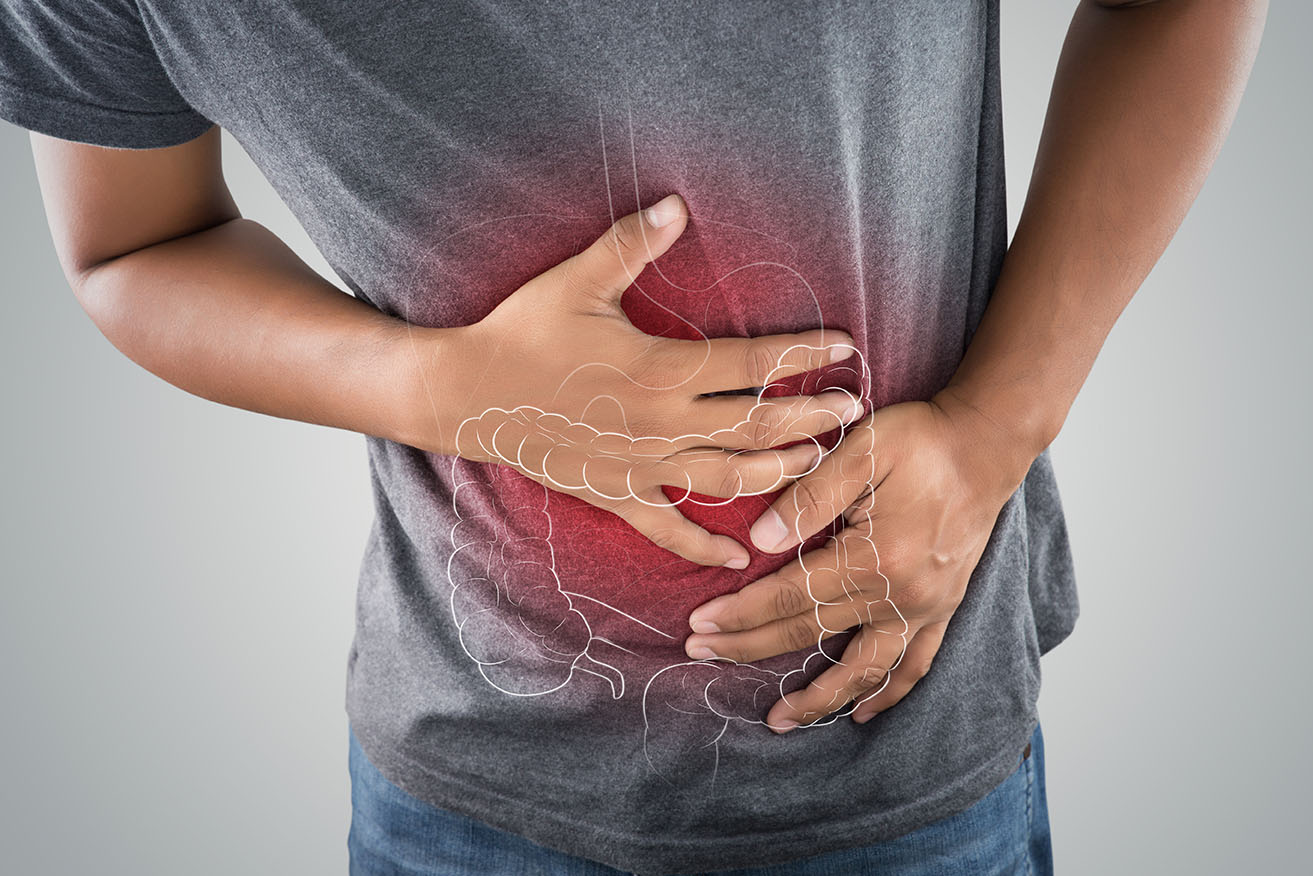
Constipation means having bowel movements that are less frequent or more difficult to pass than usual. You may have hard or dry stools, need to strain, or feel that your bowel has not emptied completely after going to the toilet.
Having a bowel movement every day is not necessary for everyone. What is normal varies from person to person. Constipation is generally considered when you have fewer than three bowel movements a week or regularly experience difficulty passing stools.
Constipation can happen occasionally, for example after changes in diet, routine or travel. For some people, however, it can become a recurring or long-term problem that causes discomfort and affects daily life.
Most cases can be managed with changes to diet, lifestyle or medication. If constipation persists, keeps returning or represents a significant change from your usual bowel habits, it may be helpful to find out what is causing it.
Troubled by persistent or recurring constipation?

Speak to a doctor if constipation occurs together with:
These symptoms do not necessarily mean that you have a serious condition, but further assessment may be needed to understand what is causing them.
Constipation is not only about how often you have a bowel movement. The consistency of your stools and how easily you can pass them are also important.
You may experience:
Constipation may also be accompanied by:
Constipation can develop for many reasons. Sometimes more than one factor is involved.

Not eating enough fibre may contribute to constipation. Fibre helps add bulk to the stool and can help it move through the digestive system.
Not drinking enough fluids can also make stools harder and more difficult to pass, particularly if you are dehydrated.

Constipation can sometimes occur when your normal routine changes, such as during travel.
Other contributing factors may include:

Certain medicines can cause or worsen constipation, including some:
Do not stop prescribed medication without speaking to your doctor. If medication may be contributing to your constipation, your doctor can advise whether an adjustment or alternative is appropriate.

Constipation can sometimes be associated with conditions such as:
Structural problems involving the colon, rectum or anus can also make it more difficult to pass stools.

For some people, constipation occurs because stool moves unusually slowly through the colon. This is sometimes known as slow-transit constipation.
Others have difficulty coordinating the muscles used to empty the bowel. This is known as a defecatory disorder or pelvic floor dysfunction.
Identifying the type of constipation can be particularly important when symptoms have continued despite standard treatments.
A physical examination may also be performed.
Not everyone with constipation needs extensive testing. Further investigations depend on your symptoms, medical history and how you respond to initial treatment.
Blood tests may sometimes be recommended if your doctor suspects an underlying condition contributing to constipation.
A colonoscopy is not routinely required for every person with constipation.
It may be recommended if you have concerning symptoms such as gastrointestinal bleeding, if another condition affecting the colon needs to be investigated, or if colorectal cancer screening is appropriate for you.
If long-term constipation does not improve with standard treatment, tests may be used to assess how quickly stool moves through the colon.
Anorectal manometry measures the pressure and coordination of the muscles in the rectum and anus.
It may be recommended when your doctor suspects that difficulty coordinating these muscles is contributing to problems emptying your bowel.
This simple test assesses how effectively you can expel a small balloon from the rectum and may be performed together with anorectal manometry when a defecatory disorder is suspected.
Not everyone with constipation will need these investigations. Your gastroenterologist will recommend tests based on the pattern and duration of your symptoms and your response to treatment.
Your doctor will usually begin by asking about your bowel habits and symptoms.
You may be asked:
Treatment depends on what is causing your constipation, how long you have experienced it and how severe your symptoms are.
For many people, treatment begins with dietary and lifestyle measures.

Increasing fibre can help some people with constipation.
Sources of fibre include:
Fibre is usually best increased gradually. Adding a large amount suddenly can cause bloating or gas.
Fibre supplements may also be appropriate for some people. However, increasing fibre does not help every type of constipation, particularly if there is an underlying problem with bowel emptying.

Maintaining adequate hydration can help prevent hard stools, particularly if you are dehydrated.
Regular physical activity may also help support healthy bowel function.
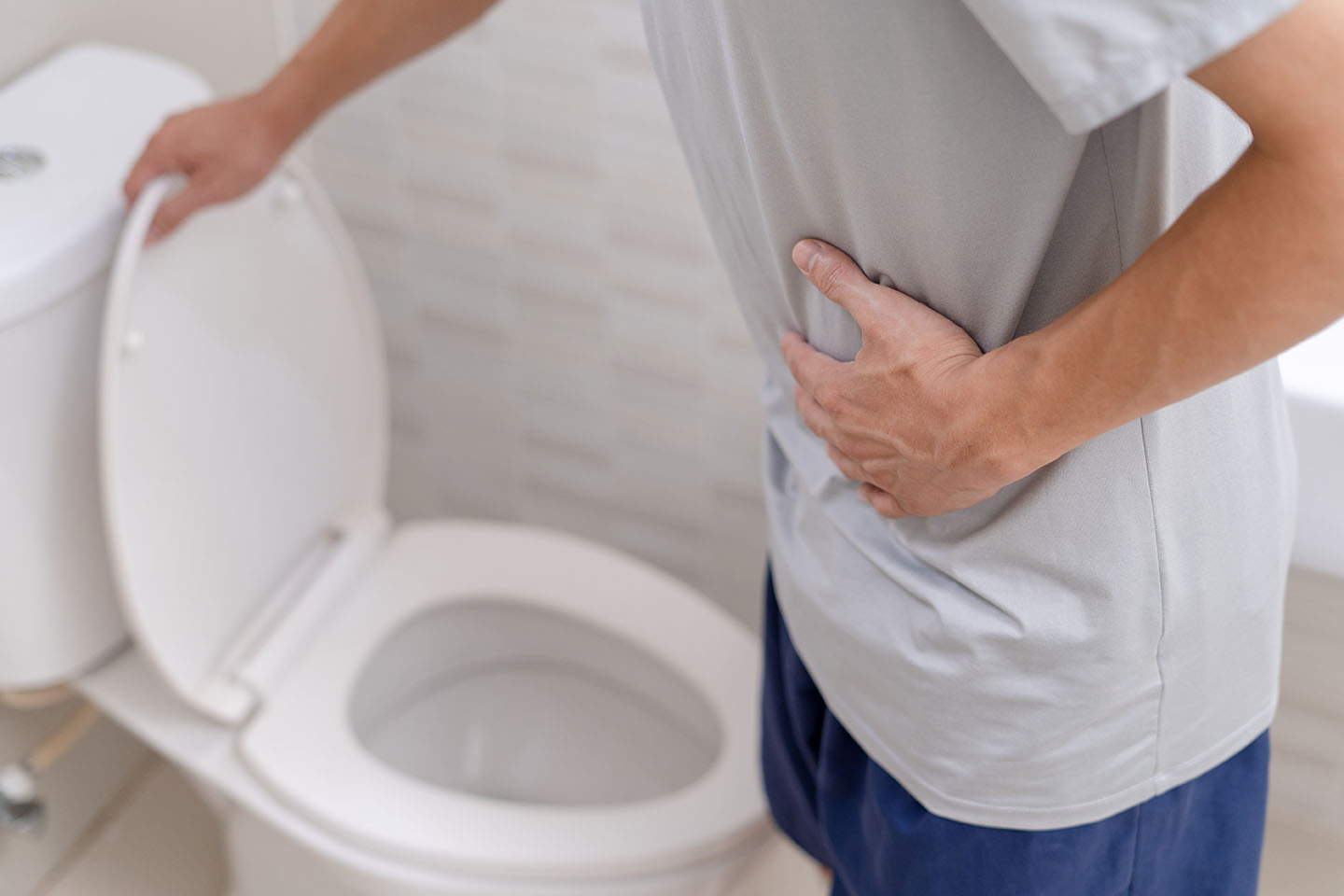
Try not to regularly ignore the urge to have a bowel movement.
For some people, establishing a regular toilet routine — often after a meal when the bowel is naturally more active — can be helpful.
A small footstool may also help some people adopt a more comfortable position when passing stools.

If lifestyle measures are not enough, laxatives may be recommended.
Different types work in different ways, including:
Other prescription medicines are available for certain forms of chronic constipation.
Which treatment is most appropriate depends on your symptoms and medical history. If you regularly need laxatives or constipation continues despite treatment, speak to your doctor.

If testing shows that the muscles involved in having a bowel movement are not coordinating properly, biofeedback therapy may be recommended.
This treatment helps retrain the muscles used during bowel movements and can be particularly useful for people with a defecatory disorder.
Seek urgent medical attention if you develop severe abdominal pain or swelling together with vomiting and an inability to pass stool or gas, as these symptoms can occur with an intestinal obstruction.
Occasional constipation is common and often improves with simple measures.
Consider seeing a doctor if:

If you have persistent upper digestive symptoms or have been advised to undergo a gastroscopy, a gastroenterologist can assess your symptoms and advise whether the procedure is appropriate for you.
Dr Amitabh Monga
Senior Consultant Gastroenterologist
There is no single bowel frequency that is normal for everyone. Some people naturally have bowel movements more than once a day, while others go less frequently.
Constipation is more about a change from your usual pattern and symptoms such as hard stools, straining, difficulty passing stools or feeling that you have not emptied completely.
Foods that contain fibre such as fruits, vegetables, wholegrains, legumes, nuts and seeds can help make stools easier to pass for many people.
Increase fibre gradually and maintain adequate fluid intake. If adding fibre consistently makes your bloating or constipation worse, speak to your doctor rather than continuing to increase it.
This depends on the type of laxative and why you need it. Some laxatives can be used for longer periods when medically appropriate, but regularly needing laxatives may be a sign that your constipation requires further assessment.
A doctor can help identify the type of constipation you have and recommend an appropriate treatment.
Not necessarily. Constipation alone does not mean that you need a colonoscopy.
Your doctor may recommend one if you have warning signs such as bleeding or unexplained weight loss, if another bowel condition needs to be investigated, or if you are due for colorectal cancer screening.
Constipation can have different causes, and treatment does not have to be one-size-fits-all. If your symptoms persist despite simple measures, an assessment can help determine what may be affecting your bowel movements and which treatment is appropriate for you.