

Diarrhoea means passing loose or watery stools, usually more often than is normal for you. It is very common and, in many cases, lasts only a few days.
Short-term diarrhoea is often caused by an infection of the digestive system, sometimes associated with contaminated food or water. However, diarrhoea that persists or keeps returning can have other causes, including certain medications and underlying digestive conditions.
The main concern with frequent diarrhoea is dehydration, as your body can lose significant amounts of water and electrolytes. Persistent diarrhoea may also affect nutrition and your everyday quality of life.
If your diarrhoea is severe, keeps returning or does not improve, an assessment can help identify the cause and determine whether treatment or further investigation is needed.
Experiencing persistent or recurring diarrhoea?

Frequent diarrhoea can cause your body to lose more fluid than you are able to replace.
Signs of dehydration may include:
Severe dehydration requires prompt medical attention.
Diarrhoea itself is a symptom rather than a single disease. Other symptoms can provide clues about what may be causing it.
You may experience:
Depending on the cause, diarrhoea may also occur with:
There are many possible causes. How long you have had diarrhoea and whether you have other symptoms can help your doctor determine what may be responsible.
Causes of short-term diarrhoea
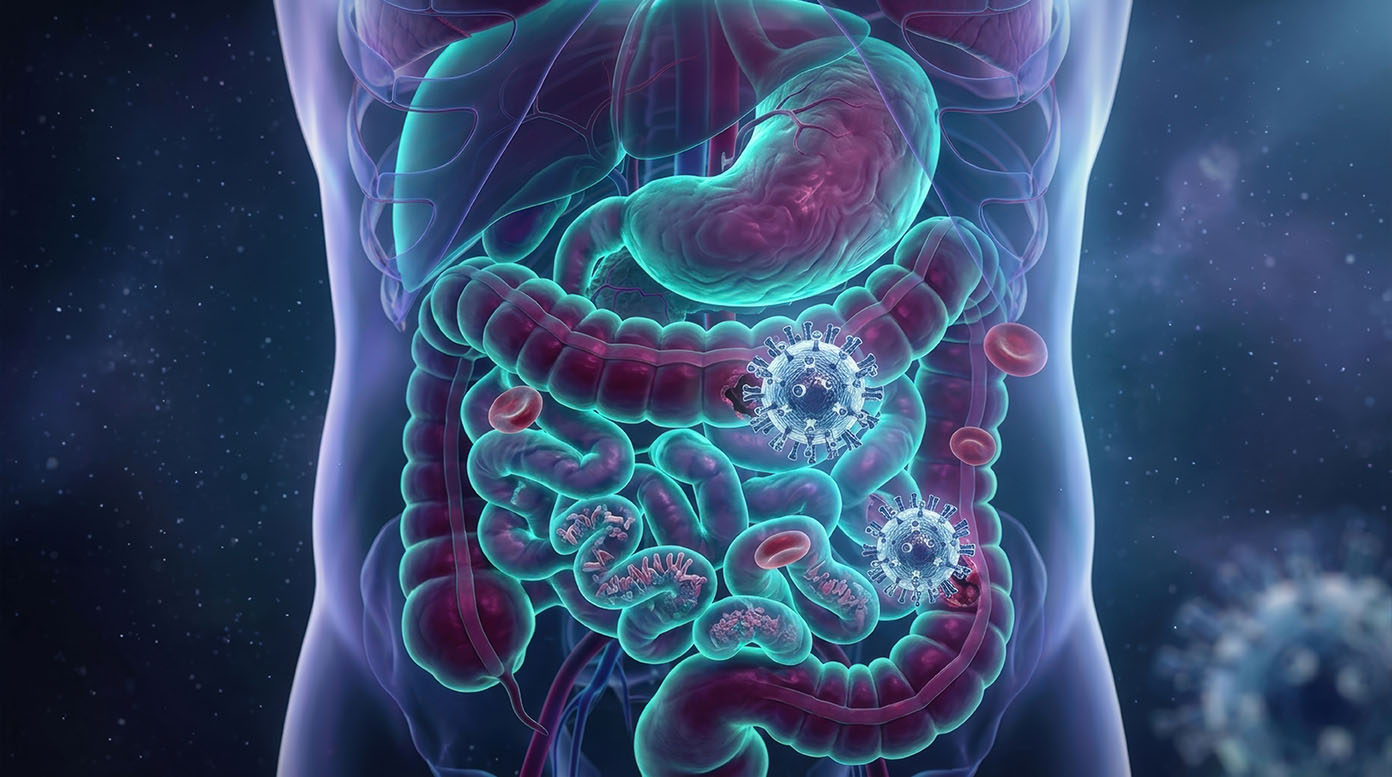
Viruses, bacteria and parasites can infect the digestive system and cause diarrhoea.
These infections may be acquired through contaminated food or water or through contact with another infected person.
Symptoms may include diarrhoea, abdominal cramps, nausea, vomiting and fever.

Food contaminated with harmful microorganisms or their toxins can cause sudden diarrhoea and vomiting.
Symptoms may develop within hours or days of consuming the contaminated food, depending on the cause.

Some medicines can cause diarrhoea as a side effect. These include certain:
Antibiotics can also alter the balance of bacteria in the gut and, in some cases, allow an infection such as Clostridioides difficile (C. difficile) to develop.
Do not stop prescribed medication without discussing it with your doctor.
Possible causes include:
IBS with diarrhoea (IBS-D) can cause recurring loose stools, bowel urgency and abdominal pain without the ongoing intestinal inflammation seen in inflammatory bowel disease.
Crohn's disease and ulcerative colitis can cause persistent diarrhoea, abdominal pain, blood or mucus in the stools, fatigue and weight loss.
Some people have difficulty digesting or absorbing certain foods or nutrients.
For example, lactose intolerance can cause diarrhoea, gas and bloating after consuming lactose-containing foods.
Other conditions affecting nutrient absorption, including coeliac disease, can also cause chronic diarrhoea.
Bile acids normally help the body digest fats and are mostly reabsorbed before reaching the colon.
When too much bile acid enters the colon, it can cause frequent watery stools and urgency. This may occur for several reasons, including after certain intestinal or gallbladder-related conditions or procedures.
Problems involving the pancreas, small intestine or other parts of the digestive system can sometimes interfere with digestion and absorption and lead to persistent diarrhoea.
This is why diarrhoea that continues for an extended period should not automatically be assumed to be IBS or a food intolerance.
Diarrhoea that continues or repeatedly returns may have a different underlying cause from a short episode of gastroenteritis.
Depending on the pattern and duration of your symptoms, further investigations may be recommended.
Stool samples may be tested for:
A faecal calprotectin test may sometimes be used to look for inflammation and help distinguish inflammatory conditions such as IBD from non-inflammatory conditions such as IBS.
Blood tests may be used to check for:
A colonoscopy allows your gastroenterologist to examine the inside of the large intestine using a thin, flexible tube with a camera.
It may be recommended when diarrhoea is persistent, when inflammatory bowel disease or another condition is suspected, or when warning signs are present.
Small tissue samples called biopsies can also be taken during the procedure. This can be important because some conditions causing chronic diarrhoea may only be identified by examining these samples under a microscope.
A gastroscopy may be recommended when a condition affecting the upper digestive tract or small intestine, such as coeliac disease, is being investigated.
Depending on your symptoms, additional tests may be recommended to look for problems with digestion, absorption or other gastrointestinal conditions.
Not everyone with diarrhoea needs these tests. A short episode without concerning symptoms often does not require extensive investigation.
Your doctor will first try to understand the pattern of your symptoms.
You may be asked:
Treatment depends on what is causing the diarrhoea and how severe it is.
Replacing lost fluids is particularly important during acute diarrhoea.
Drink fluids regularly. An oral rehydration solution may be useful when diarrhoea is frequent because it replaces both water and electrolytes lost through the stools.
If you are unable to drink enough to replace the fluids you are losing, medical treatment may be required.
You generally do not need to stop eating completely when you have diarrhoea.
Eat according to what you can tolerate and focus on maintaining fluids. Very rich or fatty foods may worsen symptoms temporarily for some people.
There is usually no need to follow a highly restrictive diet unless advised by a healthcare professional.
Depending on the cause and severity of your symptoms, treatment may include medicines to reduce diarrhoea or treat an underlying condition.
Anti-diarrhoeal medicines are not appropriate for everyone. They may need to be avoided in certain situations, such as some cases involving bloody diarrhoea, high fever or particular infections.
Speak to a doctor or pharmacist if you are unsure whether an over-the-counter medicine is suitable for you.
Antibiotics are not routinely required for every episode of diarrhoea.
Many cases of infectious diarrhoea are caused by viruses and improve without antibiotics. Antibiotics may be recommended for certain bacterial or parasitic infections based on your symptoms, medical history and test results.
This may involve:
The appropriate treatment can vary considerably depending on the diagnosis.
For recurring or chronic diarrhoea, treatment should address the underlying cause.

If you have persistent upper digestive symptoms or have been advised to undergo a gastroscopy, a gastroenterologist can assess your symptoms and advise whether the procedure is appropriate for you.
Dr Amitabh Monga
Senior Consultant Gastroenterologist
There is usually no need to stop eating completely. Eat according to what you can tolerate and make sure you replace the fluids you are losing.
Some people find simple, less fatty foods easier to tolerate while recovering. More importantly, drink regularly and consider an oral rehydration solution if diarrhoea is frequent.
If particular foods repeatedly cause diarrhoea even when you are otherwise well, speak to a doctor before significantly restricting your diet.
Seek medical advice if diarrhoea is severe, persists or keeps returning, or if you have blood in your stools, unexplained weight loss, significant abdominal pain or fever.
Signs of significant dehydration including very little urine, marked dizziness, fainting or difficulty keeping fluids down also require prompt medical attention.
Not usually. Many short-term episodes are caused by viral infections and will improve without antibiotics.
Antibiotics are used for certain bacterial or parasitic infections when appropriate. Taking antibiotics unnecessarily can cause side effects and may itself contribute to some forms of diarrhoea.
Recurring diarrhoea can have many possible causes, including IBS, IBD, food intolerances, coeliac disease, medication effects, bile acid diarrhoea and other problems affecting digestion or absorption.
Rather than repeatedly treating the diarrhoea itself, an assessment can help identify whether there is an underlying cause that needs to be addressed.
Most short episodes of diarrhoea settle on their own. If yours persists, keeps returning or is accompanied by other concerning symptoms, an assessment can help identify the cause and determine the appropriate next steps.