
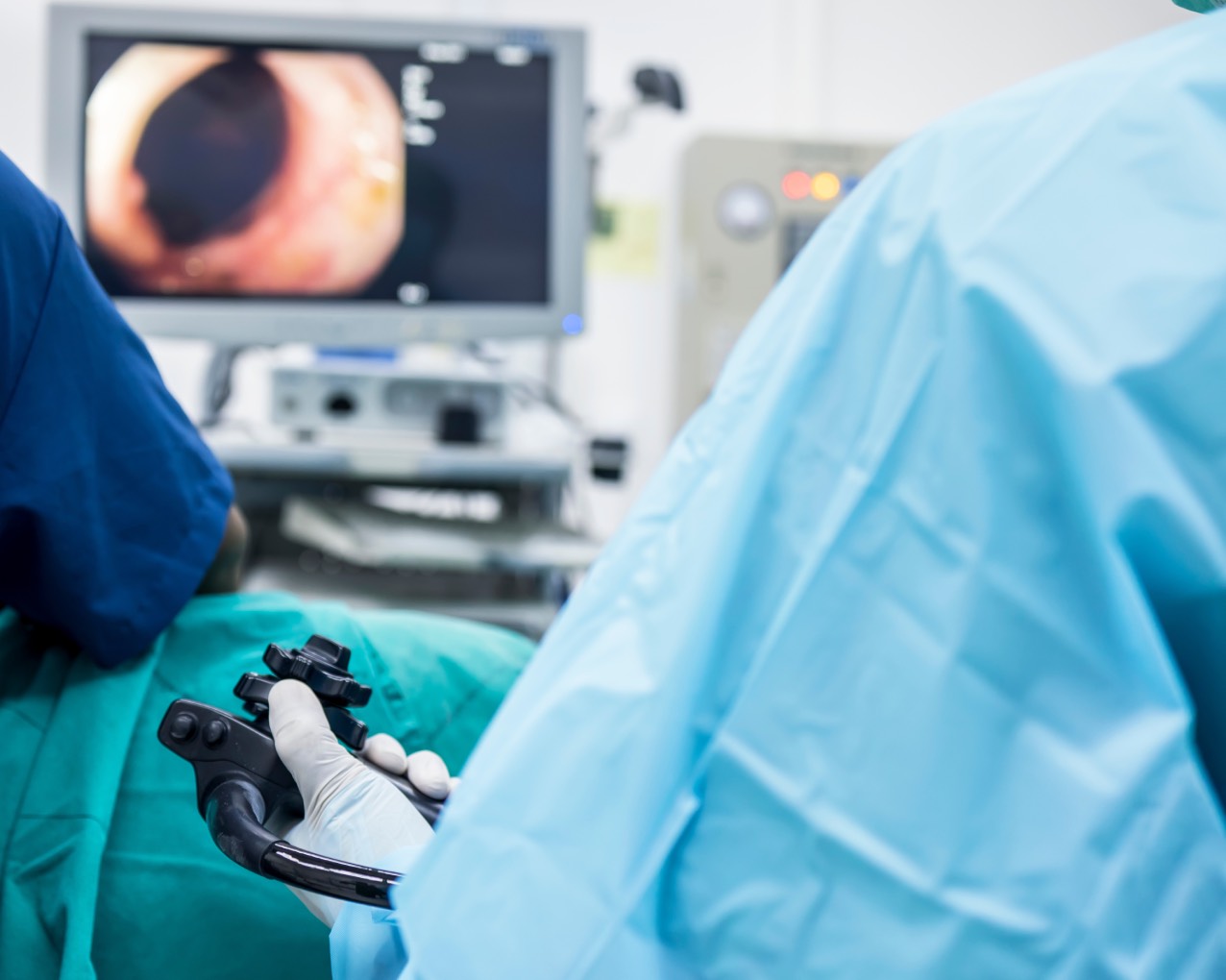
A colonoscopy is a procedure that allows your gastroenterologist to examine the lining of your large intestine, including the colon and rectum.
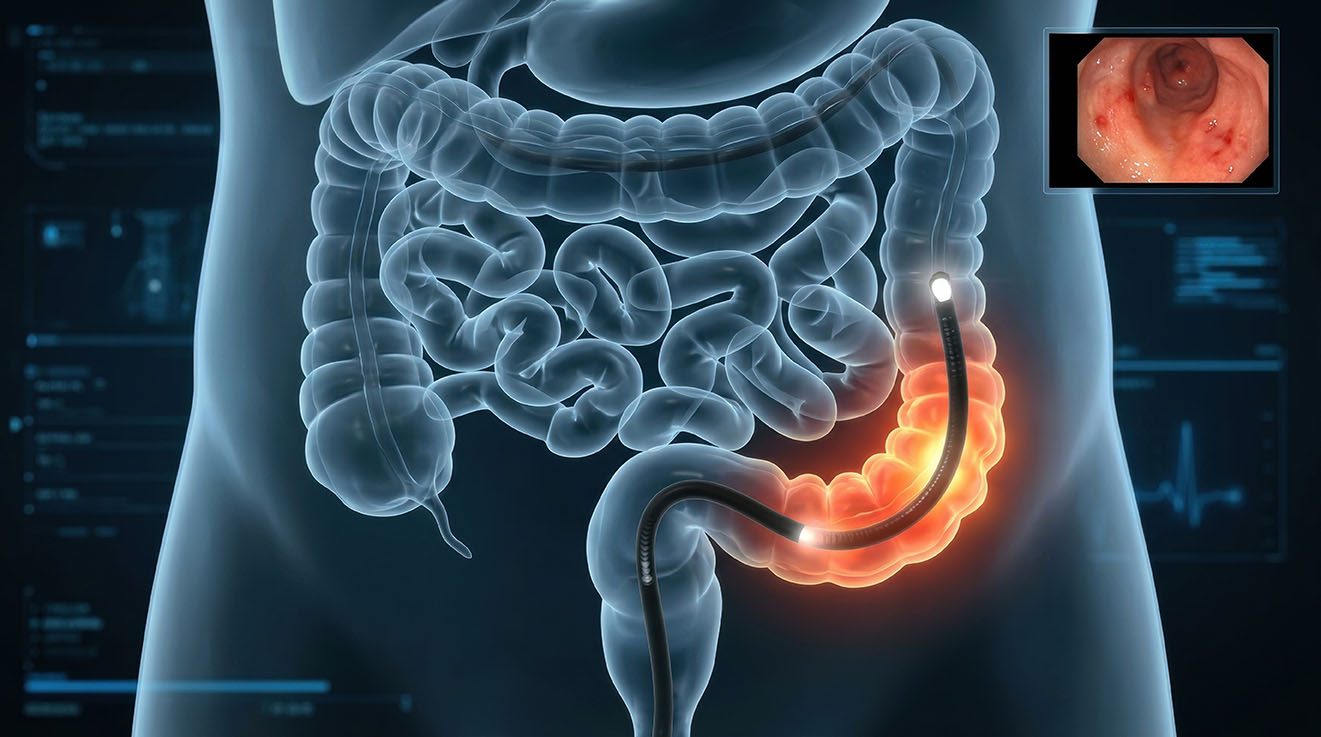
During the procedure, a thin, flexible tube with a small camera at the end, called a colonoscope, is gently passed through the anus and guided through the colon.
A colonoscopy can be used to investigate bowel symptoms, look for inflammation or bleeding, and detect growths called colon polyps. If a polyp is found, it can often be removed during the same procedure and sent to a laboratory for examination.
Colonoscopy is commonly performed as a day procedure, with sedation used to help keep you comfortable.
Been advised to have a colonoscopy?
Depending on your symptoms, colonoscopy may form part of the investigation of conditions such as:
Not everyone with constipation, diarrhoea or abdominal discomfort requires a colonoscopy. Your doctor will consider your symptoms, age, medical history, risk factors and other findings before recommending the appropriate investigation.
Your doctor may recommend a colonoscopy for several reasons.
Colonoscopy may be considered if you have symptoms such as:
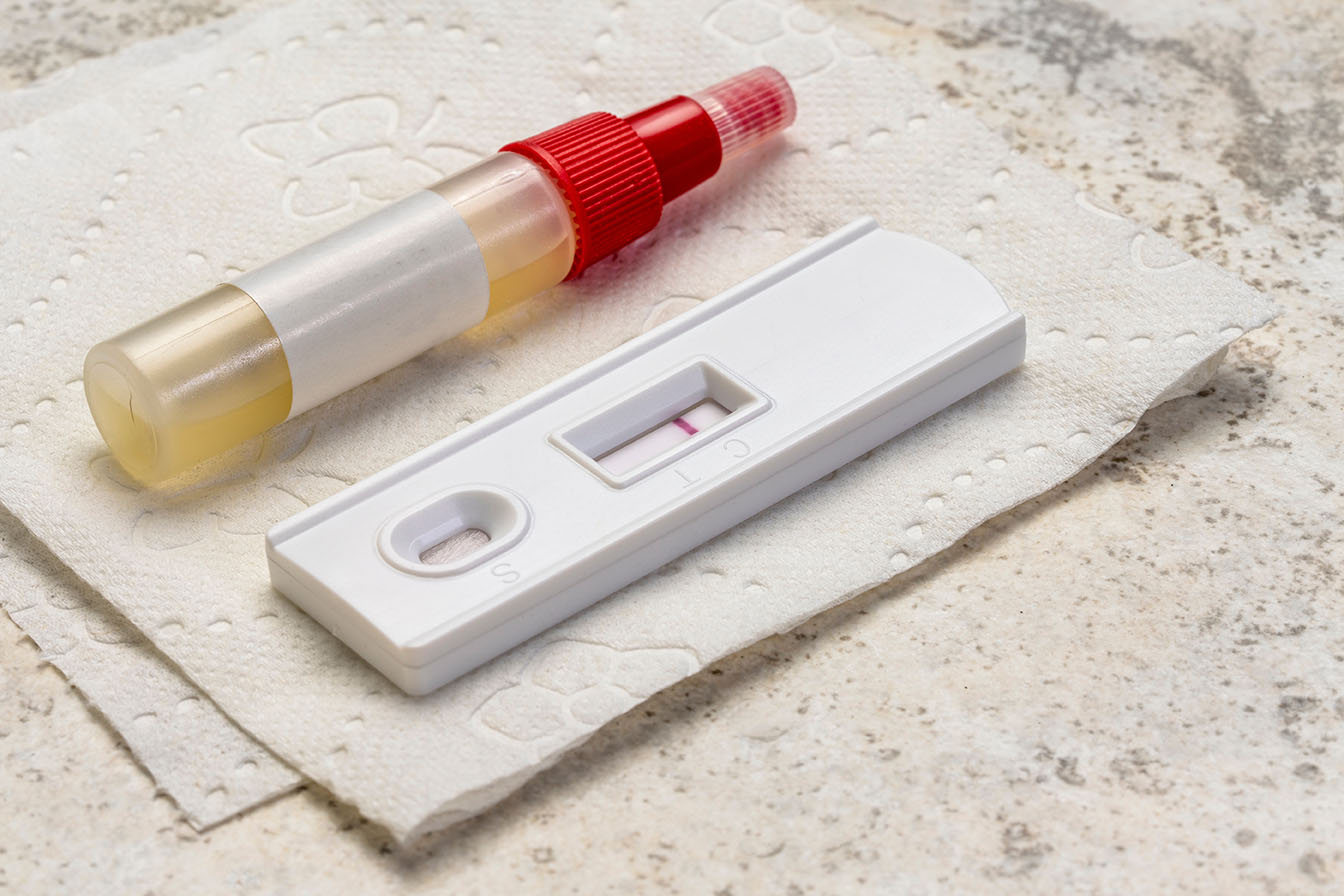
The Faecal Immunochemical Test (FIT) is a stool test that detects small amounts of blood that may not be visible to the naked eye.
A positive FIT result does not necessarily mean that you have colorectal cancer. Blood in the stool can occur for several reasons.
However, further assessment is required, and a colonoscopy is commonly recommended to identify the source of the bleeding.
People with a higher risk of colorectal cancer may need colonoscopy at an earlier age or at different intervals. This includes some people with:
Your doctor can advise when screening should begin and which screening method is appropriate for you.
Colonoscopy can also be used as a colorectal cancer screening test.
In Singapore, average-risk adults are recommended to begin colorectal cancer screening from age 50. However, international guidelines, including those from the American College of Gastroenterology (ACG), recommend starting screening from the age of 45.
Under Healthier SG Screening, eligible Singaporeans aged 50 and above can undergo screening using an annual FIT.
Colonoscopy may be recommended instead or used as a follow-up investigation depending on your individual risk, screening results and medical history.
A colonoscopy provides a direct view of the lining of the colon and rectum.
It can help identify:
Colon polyps are growths that develop on the inner lining of the colon or rectum.
Most polyps are not cancerous, but certain types can gradually develop into colorectal cancer over time.
An important advantage of colonoscopy is that many polyps can be detected and removed during the same procedure.
Colonoscopy can identify inflammation, ulceration and other changes affecting the bowel lining.
It is an important investigation in the diagnosis and monitoring of conditions such as Inflammatory Bowel Disease (IBD), including ulcerative colitis and Crohn’s disease affecting the colon.
Colonoscopy can help identify possible causes of bleeding from the lower digestive tract, including polyps, inflammation and other abnormalities.
Colonoscopy may also identify:
If an abnormal area is identified, a biopsy can be taken for further examination.
In Singapore, colorectal cancer screening is recommended from age 50 for people at average risk.
One option is the Faecal Immunochemical Test (FIT), which is performed annually. Eligible Singaporeans can access FIT screening through Healthier SG Screening.
Colonoscopy is another screening option and may also be recommended depending on your individual circumstances.
A positive FIT means that blood has been detected in your stool. It does not mean that you have colorectal cancer.
Further investigation is required to determine where the blood is coming from, and colonoscopy is commonly recommended.
FIT is intended for screening people without symptoms.
If you have symptoms such as visible blood in your stools, a persistent change in bowel habits or unexplained weight loss, speak to a doctor rather than relying on a screening FIT alone.
If a parent, sibling or child has had colorectal cancer, particularly at a younger age, you may be advised to begin screening earlier.
The appropriate starting age and screening interval depend on your family history and individual risk.
Colorectal cancer can develop from certain types of polyps over a period of years. Screening aims to identify these changes before symptoms develop.
Before the procedure, your healthcare team will review your medical history and confirm that your bowel preparation has been completed.
If sedation is being used, medication is usually given through a small intravenous line to help you feel relaxed and comfortable.
The procedure itself commonly takes around 20 to 30 minutes, although it may take longer if polyps need to be removed or treatment is required.
You should allow additional time for registration, preparation and recovery.
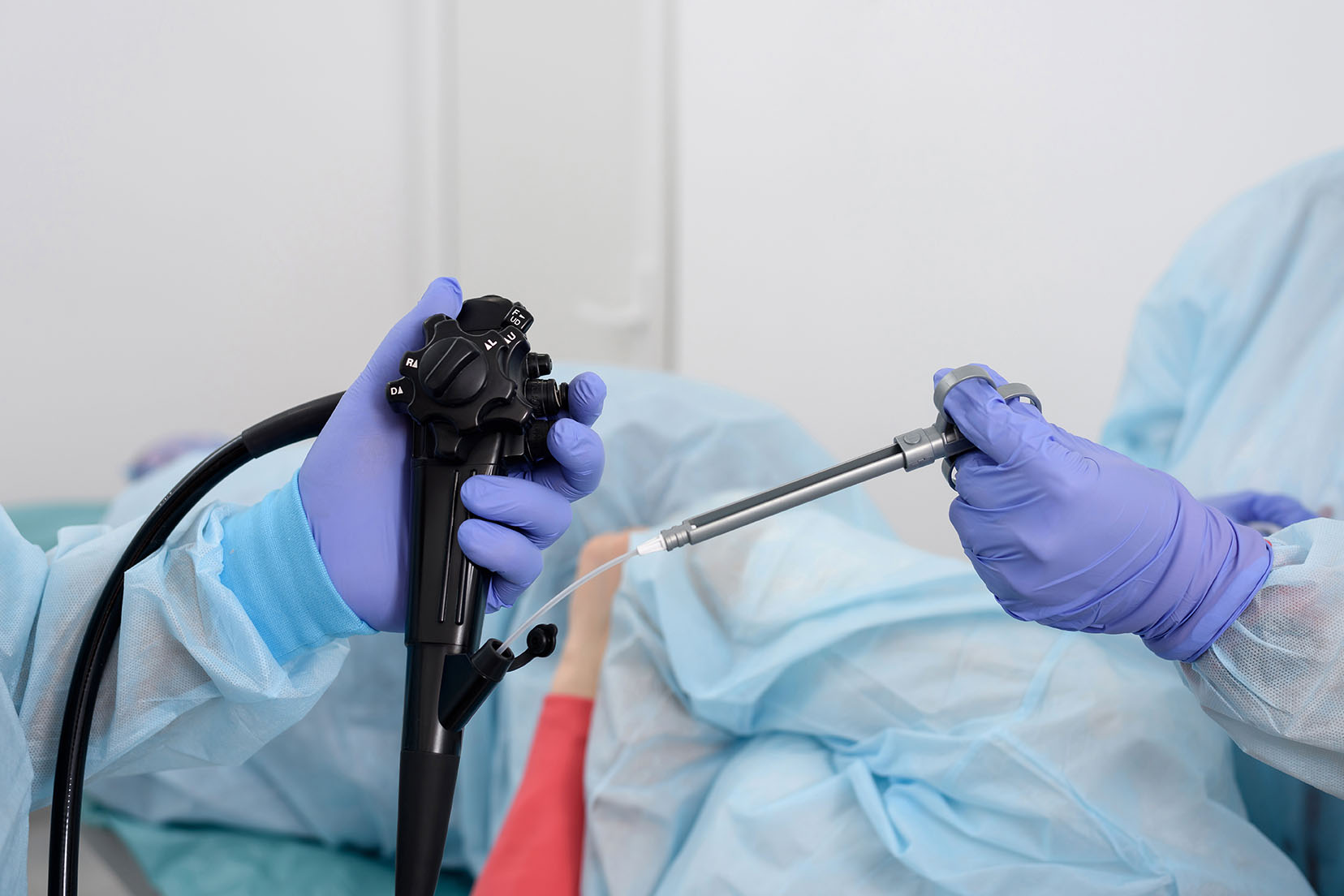
Sedation is commonly used during colonoscopy to help reduce discomfort and keep you relaxed.
You may experience some pressure, bloating or abdominal cramping as the colonoscope passes through the bowel and the colon is gently expanded.
Most patients wake up without any pain, discomfort or any recollection of what happened.
If a biopsy is taken or a polyp is removed, you generally should not feel the tissue being removed from inside the colon.
Your healthcare team will monitor you throughout the procedure.

Finding a polyp during colonoscopy does not mean that you have cancer.
Most colon polyps are not cancerous. However, certain types have the potential to develop into cancer over time.
Many polyps can be removed during the colonoscopy using instruments passed through the colonoscope.
The removed tissue is sent to a laboratory for examination under a microscope. The results can help determine:
The timing of your next colonoscopy will depend on factors such as the number, size and type of polyps found, rather than following the same interval for everyone.
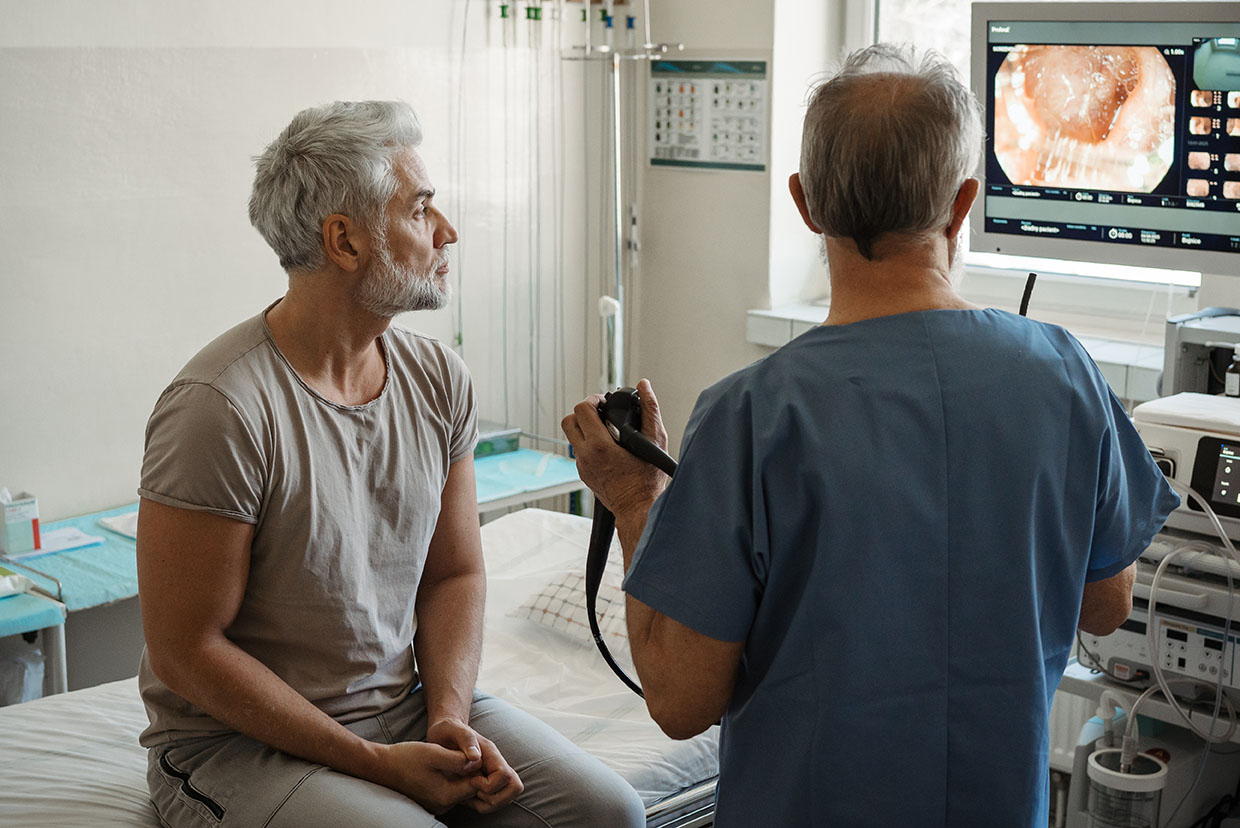
After the procedure, you will be monitored in a recovery area until you are sufficiently alert and the effects of sedation have reduced.
Your doctor may discuss the initial colonoscopy findings with you after the procedure.
If polyps were removed or biopsies were taken, the samples will need to be examined by a laboratory, so these results will be available later.

Colonoscopy is commonly performed and serious complications are uncommon. However, as with any medical procedure, there are potential risks. The risks however are rare; occurring in 0.1% of the people undergoing a colonoscopy.
These may include:
The risk can vary depending on factors such as your medical condition and whether a biopsy, polyp removal or other treatment is performed.
Your doctor will discuss the benefits and risks relevant to you before the procedure.
Seek medical attention if you experience:
Mild bloating, wind or abdominal discomfort shortly after a colonoscopy can be normal.
A small amount of bleeding may sometimes occur after a biopsy or polyp removal, and your healthcare team will advise you what to expect.

If you have persistent upper digestive symptoms or have been advised to undergo a gastroscopy, a gastroenterologist can assess your symptoms and advise whether the procedure is appropriate for you.
Dr Amitabh Monga
Senior Consultant Gastroenterologist
Not necessarily. In Singapore, colorectal cancer screening is recommended for average-risk individuals from age 50, but colonoscopy is not the only screening option.
Annual FIT is available for eligible Singaporeans under Healthier SG Screening. Colonoscopy may be considered as a screening option or recommended based on your FIT result, symptoms, family history or individual risk.
Speak to your doctor about which screening approach is appropriate for you.
A positive FIT means that blood has been detected in your stool. It does not mean that you have colorectal cancer.
There are several possible reasons for blood in the stool. Further assessment is needed to identify the cause, and colonoscopy is commonly recommended after a positive FIT.
There is no single interval that applies to everyone.
The timing depends on why you had the colonoscopy and factors such as your previous findings, whether polyps were removed, the type and number of polyps, your family history and whether you have conditions such as Inflammatory Bowel Disease (IBD).
Your doctor will advise when your next colonoscopy is due.
Yes. A clean bowel allows your gastroenterologist to properly examine the colon lining and identify small abnormalities.
If the bowel is not adequately prepared, important findings may be harder to see and the colonoscopy may sometimes need to be repeated.
Following the preparation instructions carefully is therefore an important part of the procedure.
Colonoscopy can help investigate bowel symptoms, detect and remove colon polyps, and screen for colorectal cancer in appropriate individuals.
If you have symptoms, an abnormal FIT result, a family history of colorectal cancer or have been advised to undergo colonoscopy, speak to our team about the appropriate next steps.