

Feeling bloated or gassy from time to time is common, particularly during or after meals. Bloating describes a feeling of fullness, pressure or swelling in the abdomen, while gas naturally forms in the digestive tract as part of digestion.
You may also notice more burping, passing wind or a visibly swollen abdomen. When the abdomen actually becomes larger than usual, this is known as abdominal distension.
Although bloating is often related to what or how you eat, it does not always mean that there is too much gas in your digestive system. Constipation, food intolerances, irritable bowel syndrome (IBS) and other digestive conditions can also contribute.
Occasional bloating is usually not a cause for concern. However, if it is persistent, keeps returning or occurs together with other symptoms, it may be helpful to find out what is causing it.
Frequently feeling bloated or uncomfortable after eating?
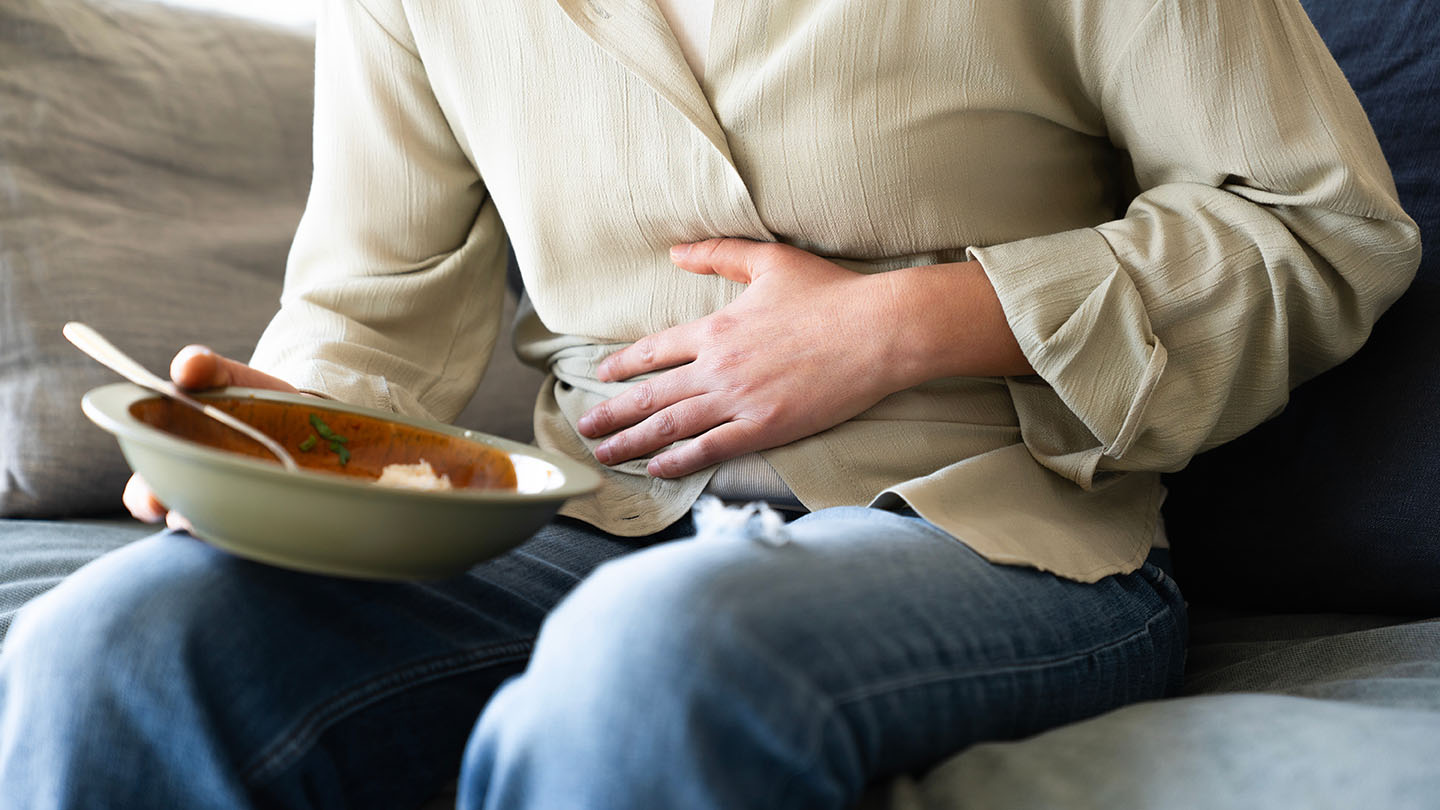
Speak to a doctor if persistent bloating occurs together with:
These symptoms do not necessarily mean that you have a serious condition, but further assessment may be needed.
Bloating can feel different from person to person. Some people mainly experience pressure or fullness, while others notice visible abdominal swelling.
You may experience:
Depending on the underlying cause, you may also experience:
Gas normally enters the digestive system in two main ways: by swallowing air and when bacteria in the large intestine break down carbohydrates that have not been completely digested.
However, bloating is more complex. You can feel bloated even when the amount of gas in your digestive system is normal.
Possible causes include:

You may swallow more air when you:
Eating large meals can also contribute to a feeling of fullness or bloating.

Some carbohydrates are not completely digested in the small intestine. When they reach the large intestine, gut bacteria break them down and produce gas.
Foods that may cause more gas in some people include:
This does not mean that these foods are unhealthy or that everyone with bloating needs to avoid them.
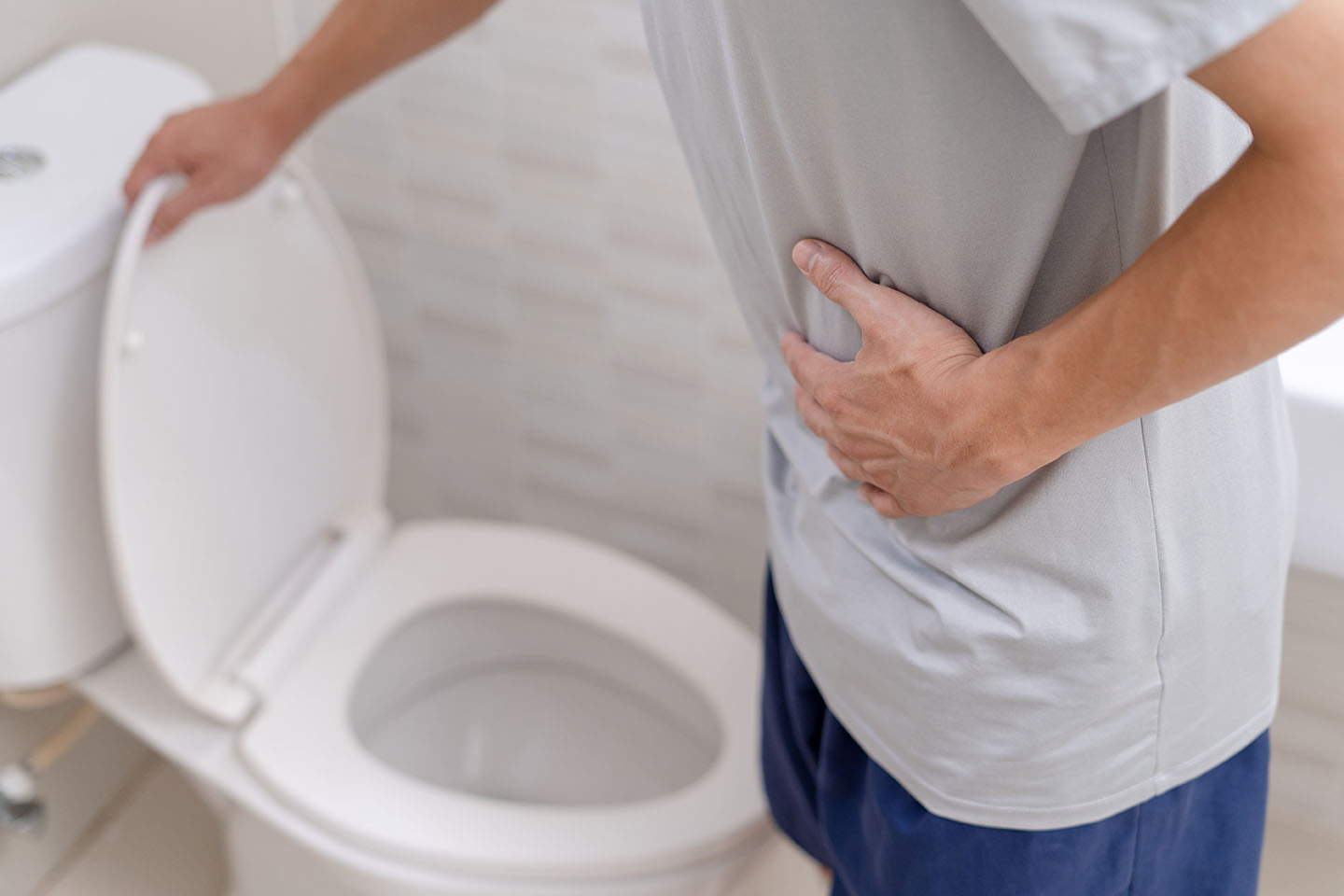
Constipation is a common reason for bloating.
When stool remains in the colon for longer, you may experience abdominal fullness, discomfort and difficulty passing gas.
Treating the constipation can sometimes improve the bloating as well.
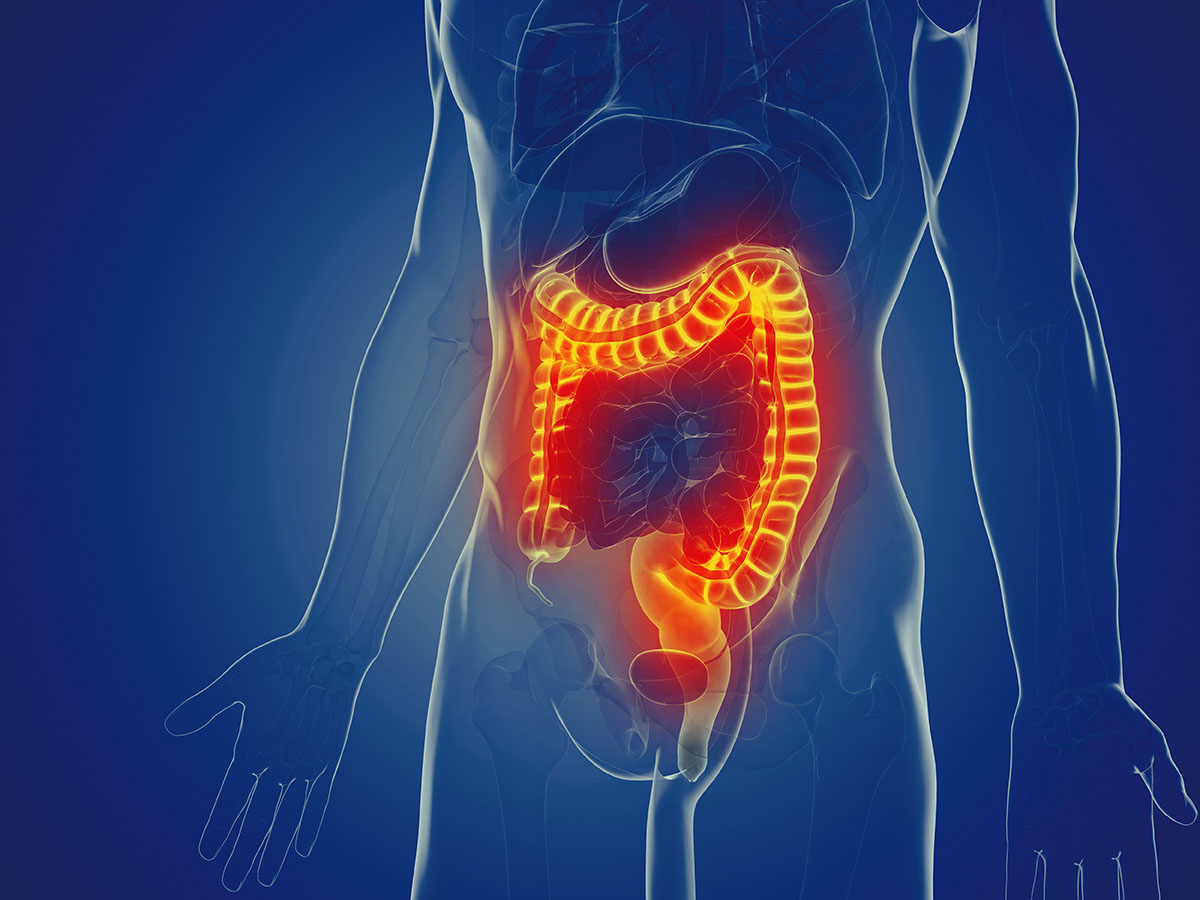
Bloating is a common symptom of IBS.
People with IBS may be more sensitive to normal amounts of gas or stretching within the intestine because of differences in how the gut and brain communicate. IBS may also affect how gas and stool move through the bowel.

Difficulty digesting or absorbing certain carbohydrates can cause gas, bloating, abdominal discomfort and changes in bowel habits.
Examples include:
Food intolerance is different from a food allergy, and symptoms alone may not identify which food is responsible.

Small intestinal bacterial overgrowth (SIBO) occurs when there is an abnormal increase or change in bacteria in the small intestine.
It can cause bloating, gas, abdominal discomfort and diarrhoea in some people.
However, not everyone with bloating has SIBO, and testing is generally considered when symptoms and medical history suggest it may be a possibility.
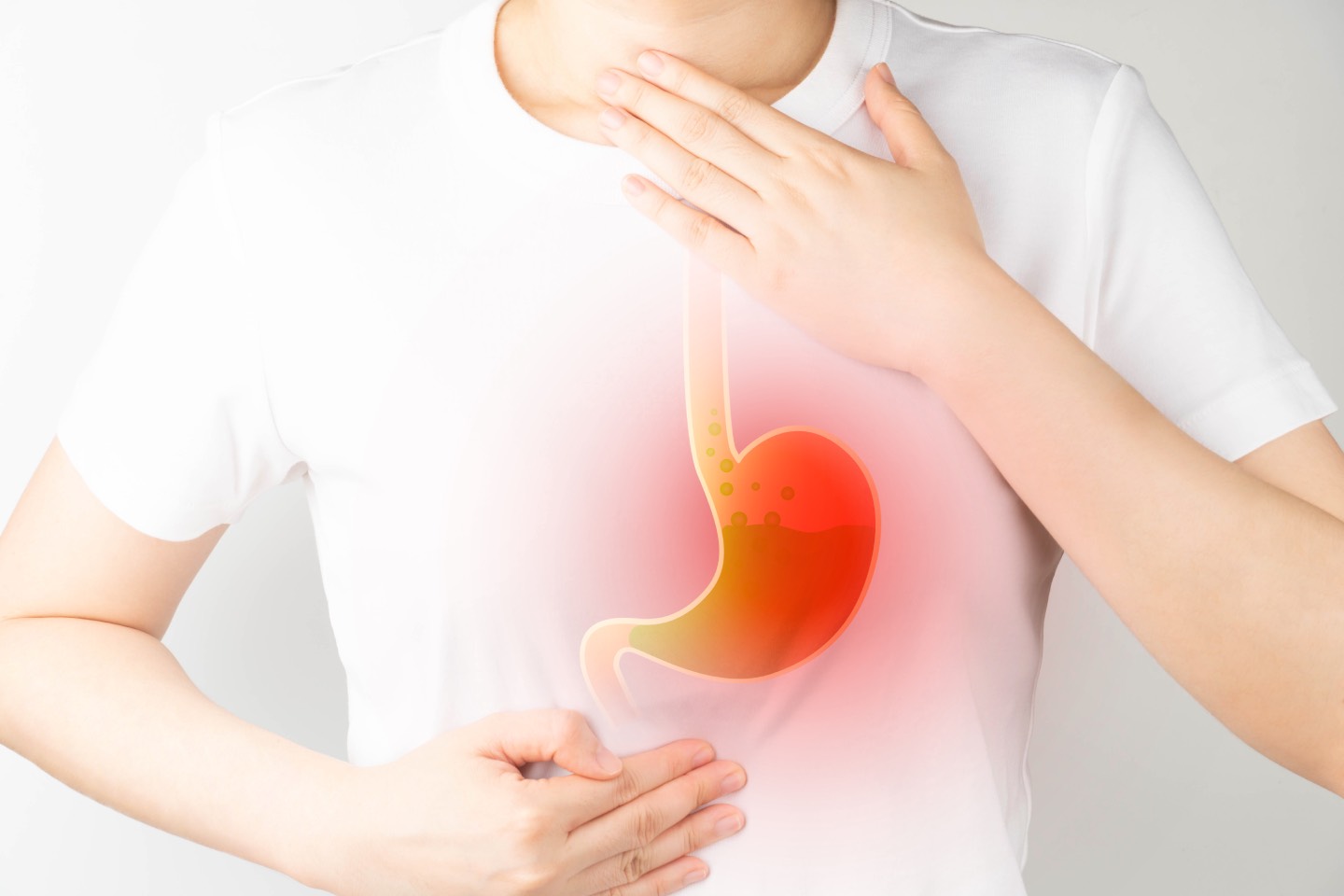
Persistent bloating can sometimes occur with conditions affecting how the stomach or intestines move, including gastroparesis and other gastrointestinal motility disorders.
Less commonly, persistent abdominal swelling or bloating can be associated with other medical conditions, which is why a new or unexplained change should not automatically be assumed to be “just gas”.
Keeping a short diary of your meals and symptoms may sometimes help identify patterns.
Depending on your symptoms, further investigations may be considered.
Blood tests may be used to look for conditions such as coeliac disease, anaemia or other possible causes depending on your symptoms.
If bloating occurs together with persistent diarrhoea or other bowel changes, stool tests may sometimes be recommended to look for infection or intestinal inflammation.
Breath testing may be used in selected patients to investigate conditions such as lactose intolerance or SIBO.
These tests measure certain gases in your breath after consuming a specific substance.
A gastroscopy or colonoscopy is not routinely needed simply because you feel bloated.
However, endoscopy may be recommended if your symptoms or medical history suggest that another digestive condition needs to be investigated, or if warning signs are present.
Imaging or specialised gastrointestinal motility tests may occasionally be recommended when symptoms suggest a structural problem or a disorder affecting how food, gas or stool moves through the digestive system.
Not everyone with bloating needs extensive testing. Investigations should be guided by your symptoms and clinical assessment rather than performed routinely.
There is no single test that identifies the cause of every case of bloating.
Your gastroenterologist will usually start by understanding the pattern of your symptoms.
You may be asked:
Treatment depends on what is causing your symptoms.
For occasional bloating, simple changes to eating habits may be enough. Persistent symptoms may require treatment of an underlying condition such as constipation, IBS or a food intolerance.

You may find it helpful to:
Keeping a food and symptom diary for a short period can sometimes help identify patterns.

There is no single “anti-bloating diet” that works for everyone.
If particular foods consistently cause symptoms, your doctor or dietitian may recommend targeted dietary changes.
For some people with IBS, a limited trial of a low-FODMAP diet may help reduce bloating and other symptoms. Because this diet can be restrictive, it is best undertaken with professional guidance and followed by gradual reintroduction of foods rather than maintained as a strict long-term diet.
Avoid eliminating multiple food groups unnecessarily, as this can make it more difficult to maintain a balanced diet.

If constipation is contributing to bloating, improving bowel movements may help.
This can involve changes to fibre intake, hydration, physical activity or medication depending on the type of constipation.
Increasing fibre is not always the answer for bloating. Some people find that rapidly increasing their fibre intake actually makes gas and bloating worse.

Medication depends on the underlying cause.
Treatment may include medicines for constipation or IBS, or specific treatment if a condition such as lactose intolerance or SIBO is identified.
Rather than repeatedly treating the gas itself, persistent bloating is often best managed by understanding what is driving the symptoms.

If you have persistent upper digestive symptoms or have been advised to undergo a gastroscopy, a gastroenterologist can assess your symptoms and advise whether the procedure is appropriate for you.
Dr Amitabh Monga
Senior Consultant Gastroenterologist
Bloating does not always mean that you have eaten too much or have excessive gas.
Constipation, IBS, food intolerances and differences in how the gut moves or responds to normal amounts of gas can all contribute. If bloating happens frequently regardless of what you eat, an assessment may help identify the cause.
Triggers vary between individuals. Some people notice more bloating after foods containing certain fermentable carbohydrates, including some fruits, vegetables, legumes, dairy products and artificial sweeteners.
These foods do not need to be avoided automatically. If you suspect food triggers, keeping a short food and symptom diary can be more useful than eliminating many foods at once.
Most bloating is not caused by a serious condition. However, bloating that is new, persistent or getting worse should be assessed, particularly if it occurs with unexplained weight loss, gastrointestinal bleeding, persistent vomiting, significant abdominal pain or a change in bowel habits.
Not everyone with bloating needs to be tested for SIBO. Bloating has many possible causes, and SIBO testing is generally most useful when your symptoms and medical history suggest that it may be contributing.
A gastroenterologist can assess whether breath testing or another investigation is appropriate rather than testing routinely.
Bloating can have many causes, and avoiding more and more foods is not always the solution. If your symptoms persist or are affecting your daily life, an assessment can help identify possible triggers or underlying digestive conditions.